

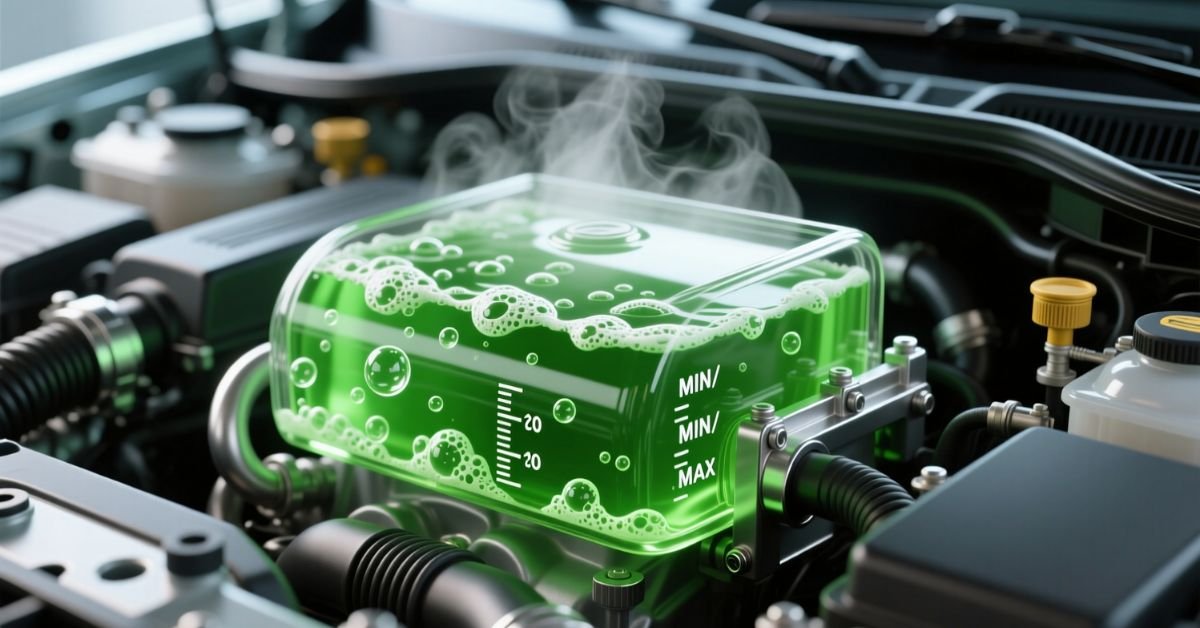
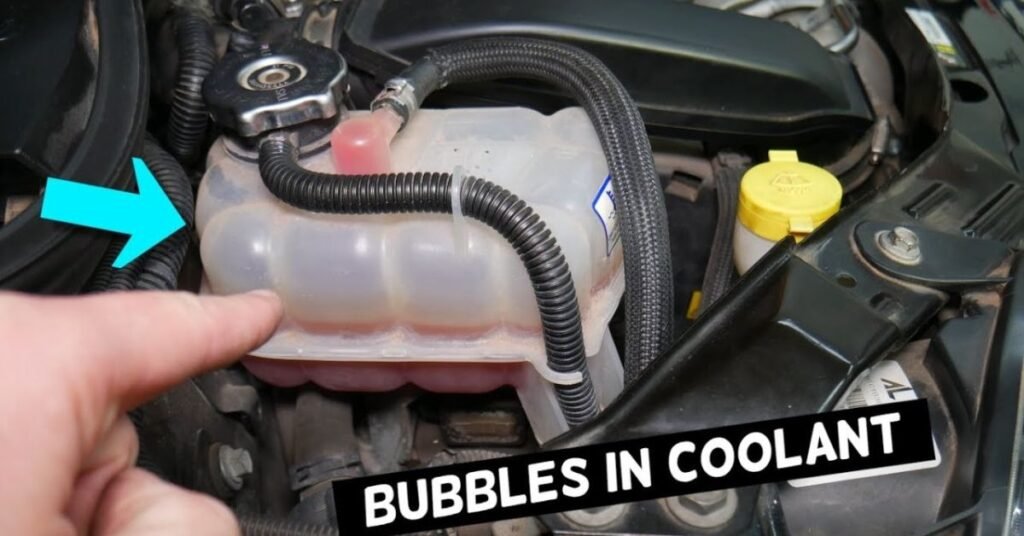
Antifreeze bubbling in the reservoir happens when you see bubbles or foam in the coolant tank after driving. This usually means air, pressure, or heat is affecting the cooling system.This is not normal and should not be ignored.
If you notice this after a drive, it can be worrying. Many drivers think it is a small issue, but it can point to a bigger problem. Catching it early can help you avoid engine damage and costly repairs.
This issue can be caused by trapped air, a bad radiator cap, overheating, or even a head gasket problem. Understanding the reasons behind antifreeze bubbling in the reservoir helps you know when to act and what to check first.
What Does Antifreeze Bubbling in Reservoir Mean?
Normal vs abnormal bubbling
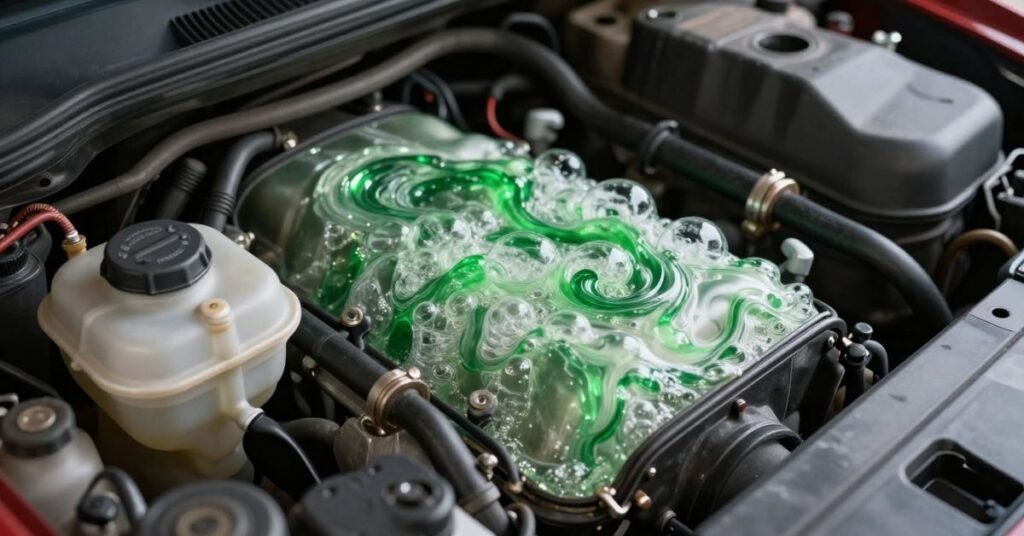
A small amount of bubbling can be normal in some cases. It may happen when the engine is hot and coolant expands. This type of bubbling usually stops once the engine cools down. There is no coolant loss or overheating with normal bubbling.
When bubbling becomes a warning sign
Bubbling is a problem if it keeps happening after every drive. It can mean trapped air, a bad radiator cap, or overheating. In serious cases, it may point to a head gasket issue. If bubbling comes with rising temperature or coolant loss, the system needs attention quickly.
Common Causes of Antifreeze Bubbling in Reservoir
Air pockets in the cooling system
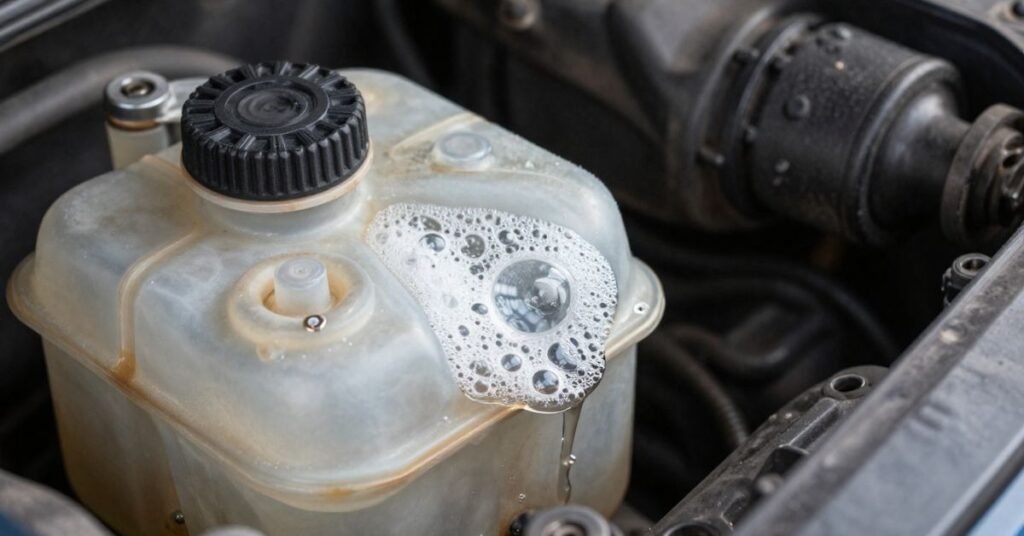
Air can get trapped after a coolant change or a small leak. This air heats up and creates bubbles in the reservoir. It also stops coolant from flowing properly. Bleeding the system often fixes this issue.
Faulty radiator or pressure cap
A bad pressure cap cannot hold the right pressure. This causes coolant to boil too early and form bubbles.The cap can often be replaced for a few dollars and solves the problem.
Bad or stuck thermostat
A thermostat controls coolant flow. If it sticks closed, coolant cannot circulate. This leads to overheating and bubbling in the reservoir.
Low coolant level
Low coolant leaves space for air inside the system. Air creates bubbles when the engine gets hot. Topping up coolant and checking for leaks is important.
Clogged or contaminated radiator
Dirt, rust, or old coolant can block the radiator. This reduces cooling efficiency. The engine runs hotter and causes bubbling.
Failing water pump
The water pump moves coolant through the engine. If it is weak or damaged, coolant flow slows down. This can cause overheating and bubbling in the reservoir.
How Air Enters the Cooling System
Improper coolant refill
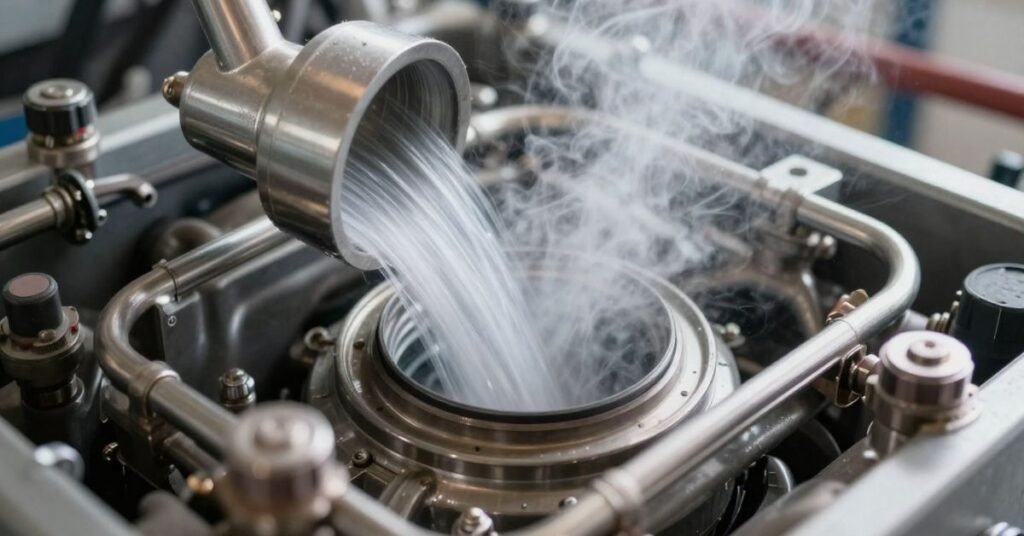
Air often enters during a coolant refill. If the system is not bled properly, air stays trapped inside. This trapped air causes bubbles when the engine heats up.
Leaking hoses or reservoir
Cracked hoses or a damaged reservoir can pull air into the system. Even small leaks allow air to enter while driving. This leads to repeated bubbling in the reservoir.
Loose clamps or connections
Loose hose clamps can let air in without visible leaks. The system loses pressure and works poorly. Tightening or replacing clamps can fix this issue.
Cooling system repairs done incorrectly
Poor repair work can leave air inside the system. Missing bleed steps or wrong parts cause problems. This air later shows up as bubbling in the coolant reservoir.
Can a Blown Head Gasket Cause Coolant Bubbling?
How exhaust gases enter the coolant
A blown head gasket can allow exhaust gases to leak into the cooling system. These gases create pressure and form bubbles in the coolant reservoir. The bubbling may appear soon after starting the engine or after a drive.
Back-pressure symptoms
This pressure causes several warning signs. Coolant loss may happen without visible leaks. Compression loss can make the engine run rough or feel weak. Engine overheating is also common and should never be ignored.
Signs and Symptoms of Antifreeze Bubbling in Reservoir
Visible bubbles or foaming
The most obvious sign is bubbles or foam in the coolant reservoir. This happens when air or gases mix with the antifreeze. It may appear after driving or when the engine is hot.
Rising engine temperature
The engine may run hotter than normal. The temperature gauge can rise quickly. This shows the cooling system is not working properly.
Fluctuating coolant levels
Coolant levels may go up and down unexpectedly. This can happen if air or leaks are in the system.
Steam from reservoir or radiator
Steam coming from the reservoir or radiator is a warning. It shows coolant is boiling or escaping.
Sweet smell or white smoke
A sweet smell or white smoke from the exhaust or engine area can indicate coolant is leaking. This is often linked to serious problems like a blown head gasket.
Is Coolant Boiling the Same as Bubbling?
Difference between boiling and air bubbles
Bubbling in the reservoir does not always mean the coolant is boiling. Air trapped in the system can create bubbles at normal engine temperatures. Boiling happens when coolant reaches its boiling point and turns to steam.
Coolant vs water boiling point
Antifreeze raises the boiling point of the coolant compared to plain water. This helps prevent boiling under normal engine heat.
Why does proper antifreeze matter?
Using the right type and mix of antifreeze keeps the engine safe. It reduces overheating and prevents bubbles caused by high temperatures. Proper antifreeze also protects against corrosion and leaks.
Why Overheating Makes Antifreeze Bubble
Cooling fan not working
If the cooling fan stops working, air cannot cool the radiator properly.The engine and coolant are heated as a result. Hot coolant can start bubbling in the reservoir.
Blocked airflow through radiator
Dirt, debris, or a damaged grille can block airflow through the radiator. Reduced airflow makes the engine hotter. The coolant may boil and create bubbles.
Failed thermostat circulation
A stuck thermostat prevents coolant from flowing through the engine. This traps heat and raises temperature quickly. When the coolant gets too hot, bubbles form in the reservoir.
How to Fix Antifreeze Bubbling in Reservoir

Replace a faulty radiator cap
A bad radiator cap cannot hold pressure properly. Replacing it is simple and stops bubbling caused by low pressure.
Change the bad thermostat
A stuck thermostat blocks coolant flow. Installing a new one restores proper circulation and prevents overheating.
Repair coolant leaks
Leaks let air into the system and reduce coolant levels. Fixing hoses, clamps, or the reservoir stops air from entering.
Replace failing water pump
A weak or broken water pump cannot move coolant efficiently. Replacing it ensures proper flow and reduces bubbling.
Fix or replace blown head gasket
Head gasket failure allows exhaust gases to enter the cooling system.. Repairing or replacing it solves severe bubbling and prevents engine damage.
How to Bleed or Burp Air from the Cooling System
Step 1: Let engine cool completely
Never open the radiator or reservoir while the engine is hot. Hot coolant can cause burns. Wait until the engine is fully cool.
Step 2: Open radiator or reservoir cap
Carefully remove the cap to release pressure. This lets you see any trapped air bubbles.
Step 3: Top up coolant properly
Fill the radiator or reservoir with the correct type of coolant. Make sure the level reaches the recommended mark.
Step 4: Run engine and release trapped air
Start the engine and let it idle. Turn the heater on high. Watch for bubbles in the reservoir.
- Squeeze radiator hoses gently to push air out
- Keep adding coolant if the level drops
Step 5: Recheck coolant level
After a few minutes, turn off the engine and let it cool again. Check the coolant level and top up if needed. Repeat the process if bubbles are still visible.
Is It Safe to Drive with Antifreeze Bubbling in Reservoir?
When short driving may be possible
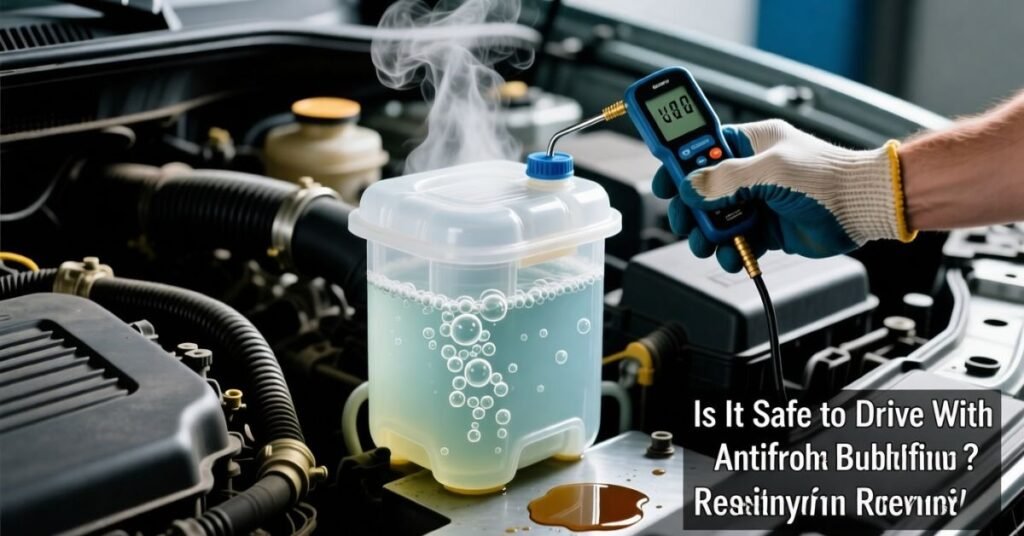
If the bubbling is minor and the engine temperature is normal, short drives may be okay. You should keep a close eye on the temperature gauge. Avoid heavy traffic or long trips until the problem is fixed.
When to stop driving immediately
Stop driving if you notice:
- Continuous bubbling
- Rapidly rising engine temperature
- Coolant loss or leaks
- Steam or smoke from the engine
Driving under these conditions can cause severe engine damage.
Risks of ignoring the problem
| Risk | What Happens |
| Engine overheating | It can warp engine parts or damage the head gasket |
| Head gasket failure | Leads to coolant mixing with oil or exhaust gases |
| Coolant loss | Engine may seize due to lack of proper cooling |
| Reduced performance | Engine runs poorly and may stall |
| Costly repairs | Ignoring small issues can lead to expensive fixes |
It’s safer to check and repair the cooling system before driving long distances.
Cost to Fix Antifreeze Bubbling in Reservoir
Low-cost fixes (cap, bleeding, refill)
Some problems are simple and cheap to fix. Replacing a radiator cap, topping up coolant, or bleeding air usually costs very little. These fixes can often be done at home or at a small garage.
Medium repairs (thermostat, hoses)
If the thermostat is stuck or hoses are leaking, repairs are a bit more expensive. Parts and labor can add up, but it is still manageable. Replacing a water pump may also fall in this range.
High-cost repairs (head gasket)
A blown head gasket is serious and costly. It requires major engine work. Labor and parts can make this repair very expensive, but it is essential to prevent engine damage.
How to Prevent Antifreeze Bubbling in the Future
Use correct coolant type
Always use the coolant recommended for your car. The right type keeps the engine at the proper temperature. It also prevents boiling and corrosion in the system.
Regular cooling system inspection
Check hoses, clamps, radiator, and reservoir often. Look for leaks, cracks, or loose connections. Early detection stops air from entering the system.
Timely coolant flus
Replace coolant according to the manufacturer’s instructions.. Old or dirty coolant can cause overheating and bubbling.
Never mix incompatible coolants
Chemical reactions can occur when different types of coolant are mixed.. This may lead to sludge, clogs, or air bubbles. Always stick to one compatible coolant type.
Conclusion
Antifreeze bubbling in the reservoir is a sign that your cooling system needs attention. It can be caused by air leaks, a bad radiator cap, or serious issues like a blown head gasket.An engine overheating can result in expensive repairs if ignored.
There are many easy ways to fix many causes.. Regular checks, proper coolant, and timely maintenance help prevent bubbling. Paying attention early keeps your engine safe and running smoothly.
FAQs
- Q: What causes antifreeze bubbling in the reservoir?
A: It is usually caused by trapped air, a faulty radiator cap, overheating, or leaks in the cooling system. - Q: Is it safe to drive with antifreeze bubbling in the reservoir?
A: Minor bubbling may allow short drives, but continuous bubbling or overheating is unsafe and can damage the engine. - Q: Can a blown head gasket cause antifreeze bubbling in a reservoir?
A: Yes, a blown head gasket can let exhaust gases enter the coolant, creating bubbles in the reservoir. - Q: How can I fix antifreeze bubbling in the reservoir?
A: Common fixes include replacing a radiator cap, bleeding the cooling system, repairing leaks, or replacing a bad thermostat or water pump. - Q: How can I prevent antifreeze bubbling in reservoirs in the future?
A: Use the correct coolant type, inspect the cooling system regularly, flush coolant on schedule, and never mix incompatible coolants.
