

Introduction
Hydraulic Steering for Boat: A Complete Beginner’s Guide
Hydraulic steering for a boat is a system that uses fluid pressure to help you turn the engine or outboard with less effort. It replaces the hard and heavy feel of mechanical steering and gives smoother control. Many modern boats rely on hydraulic steering because it is stable, reliable, and easy to operate.
If you have ever struggled with stiff steering or felt your boat pulling too much, hydraulic steering can change the way you handle your boat. It makes driving more comfortable, especially at high speeds or in rough water. This guide will help you understand how it works and why so many boat owners prefer it.
In the next sections, you will learn about the main parts of a hydraulic steering system, how it works, and common issues to watch for. You will also get simple tips for installation, maintenance, and upgrading your current steering. This makes it a perfect starting point for beginners who want safer and smoother steering on the water.
Here are two short paragraphs (with your heading and sub-headings) written in simple, human-friendly English:
What Is Hydraulic Steering for Boats and How It Works

Basic Components of a Hydraulic Steering System
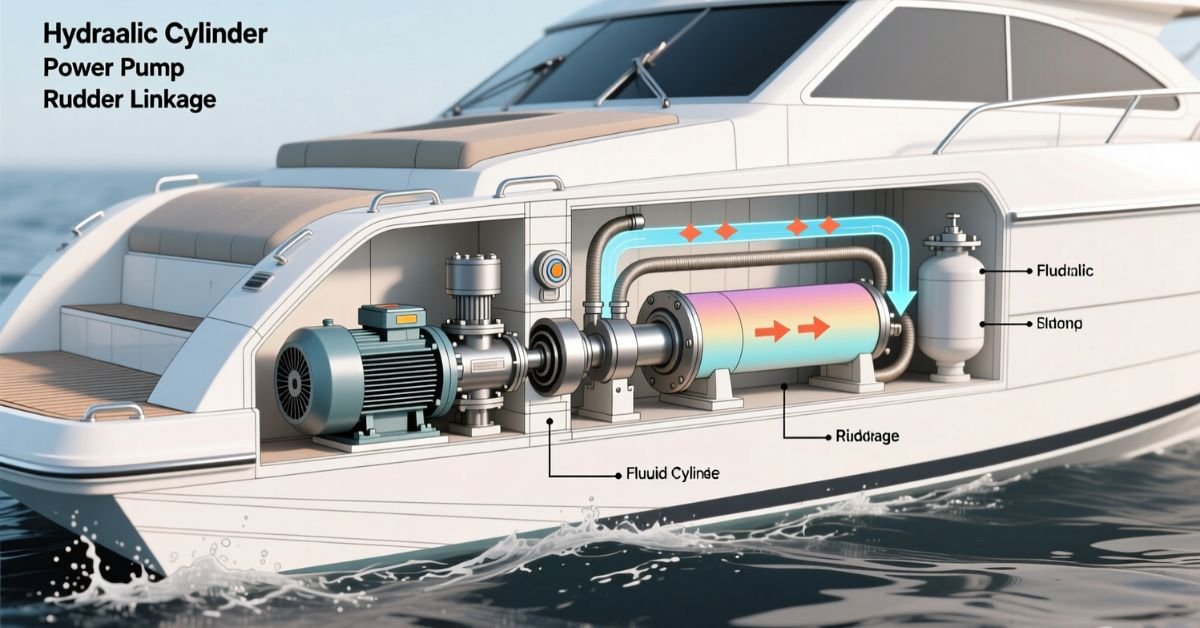
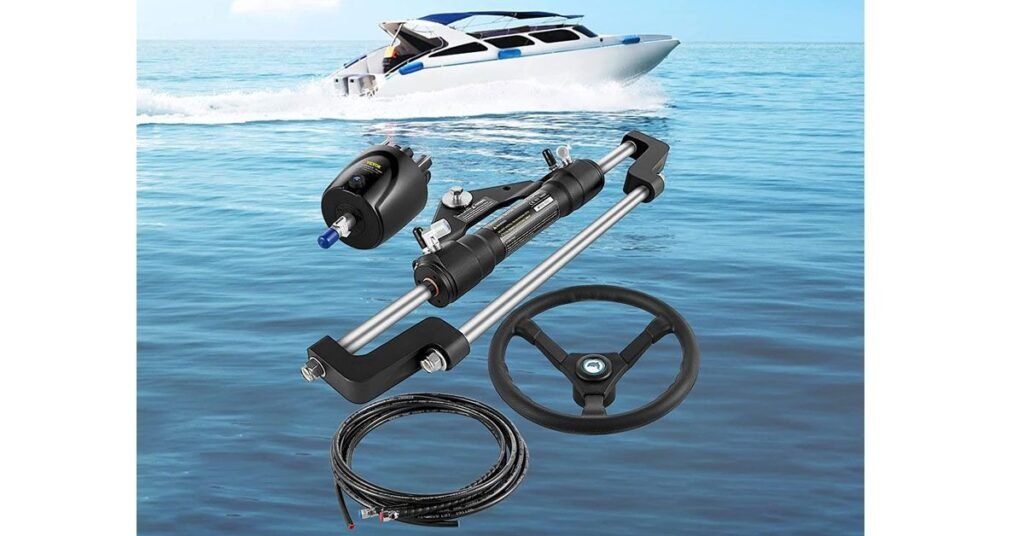
A boat’s hydraulic steering system has a few key parts: a helm (steering wheel), a hydraulic pump, hoses filled with fluid, and a cylinder connected to the engine or outboard. When you turn the wheel, the pump pushes fluid through the hoses. This fluid moves the cylinder, which then turns the outboard or rudder. That simple movement by fluid pressure is what steers the boat.
Fluid Pressure & Hydraulic Steering: Why It’s Smoother Than Mechanical
Because the system uses fluid pressure, it moves the heavy engine or rudder gently and evenly — not with sudden jerks. This smooth flow of pressure makes steering easier and more responsive than old-school mechanical steering. Mechanical systems can feel stiff or shaky because they rely on direct metal linkages. Hydraulic steering avoids that by letting fluid do the work, so turns feel soft and controlled, even on choppy water or at high speed.
Hydraulic vs Mechanical Boat Steering
How Mechanical Steering Works
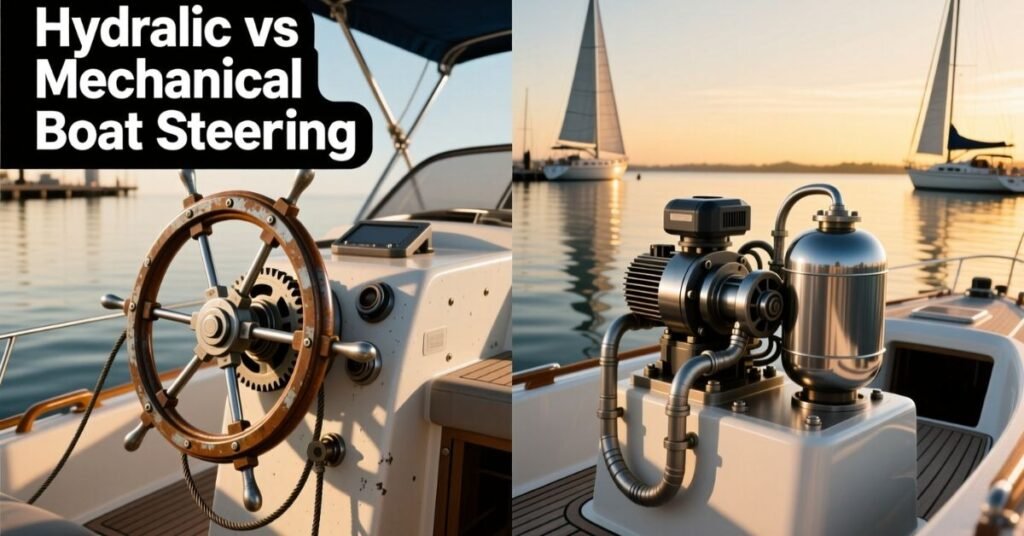
Mechanical steering uses cables and pulleys to turn the outboard. When you move the wheel, the cable pulls the engine left or right. It is simple, but it can feel heavy, especially on larger engines. Over time, the cables can stretch or wear out, which makes steering less smooth and harder to control. This system works well for small boats, but it struggles with higher horsepower.
Differences, Cost Considerations & Best Choice for Large Outboards
Hydraulic steering uses fluid pressure instead of cables, so it feels smoother and easier. It gives better control on powerful outboards where mechanical steering becomes too stiff. For big engines, hydraulic steering is usually the safer and more comfortable choice. It costs more upfront, but it needs less effort and offers better long-term performance. Mechanical steering is cheaper and easier to maintain, but it is best for smaller boats. For larger outboards or frequent boating, hydraulic steering gives the best mix of safety, comfort, and durability.
Types of Hydraulic Steering Systems for Boats
Single Outboard Hydraulic Steering Kits
Single outboard hydraulic steering kits are designed for boats with one engine. They are simple, reliable, and make steering much easier than mechanical systems. These kits include a helm, pump, hoses, and cylinder to control the outboard smoothly. They are perfect for small to medium-sized boats that need precise control.
Featuring twin outboard and inboard systems, brand options, and joystick controls
Twin outboard hydraulic systems handle two engines at once. They give smooth control even on larger boats. Inboard hydraulic systems work for boats with engines inside the hull and are built for heavier loads. Popular options include BayStar, SeaStar, and Tournament Series, known for durability and ease of use. Some modern boats also have joystick control systems like Optimus 360, which make docking and tight maneuvers very easy. These systems add convenience and advanced handling for serious boaters.
Choosing the Right Hydraulic Steering Kit for Your Boat
How to Choose the Right Helm & Selecting the Correct Hydraulic Cylinder
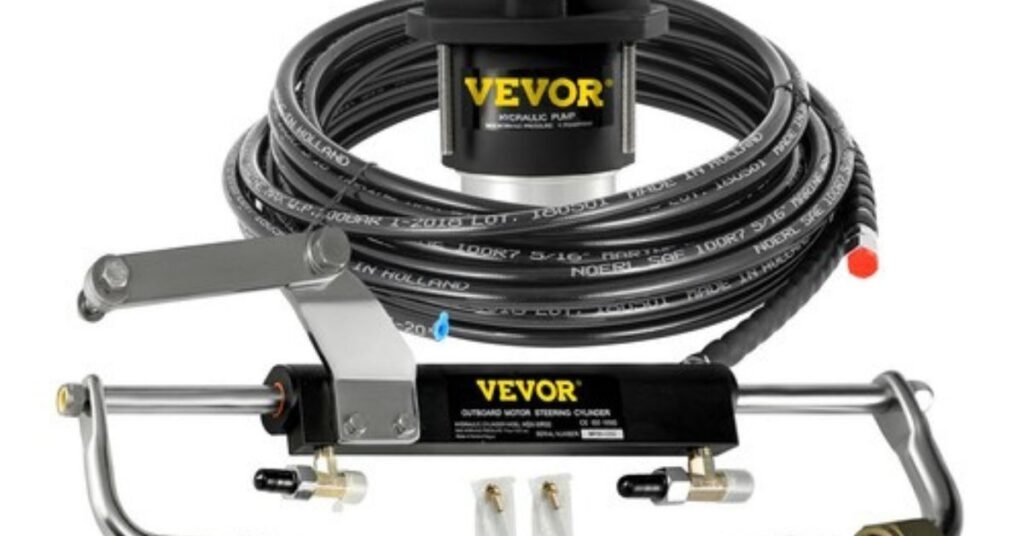
Choosing the right helm is important for comfort and control. It should fit your boat’s size and your steering style. The hydraulic cylinder must match your outboard or inboard engine for smooth movement. Picking the correct cylinder ensures the system responds quickly and safely when turning.
Matching the Steering Kit to Horsepower & Mounting Considerations
Always match the hydraulic steering kit to your engine’s horsepower. A small kit on a big engine can fail, while a larger kit on a small engine works perfectly. Consider mounting and fitment too. The pump, hoses, and cylinder must fit your boat’s layout for proper function. Correct installation makes steering easier and safer for every trip.
Installation Guide for Hydraulic Steering Systems
Tools Needed Before Installation
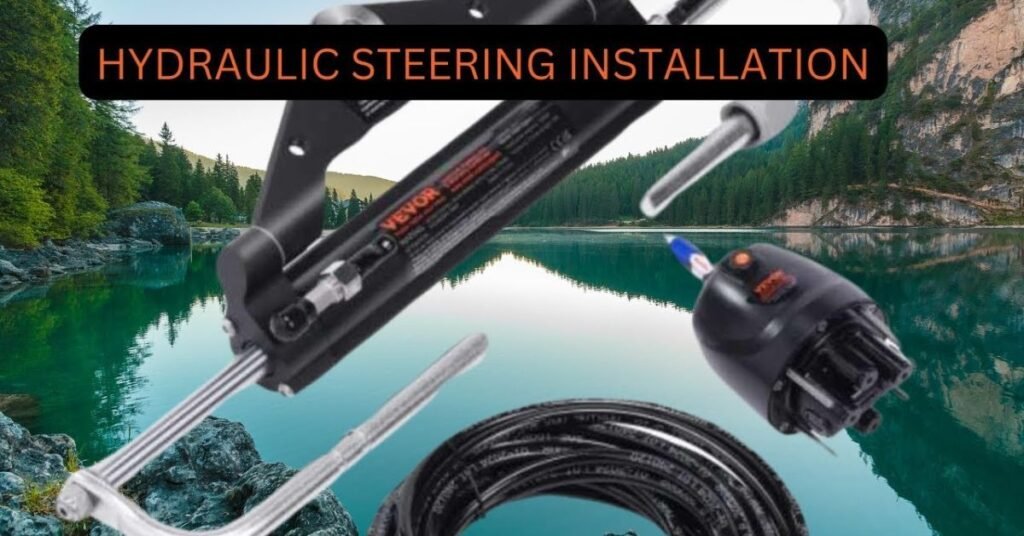
Before starting, gather all the tools you need. Common tools include wrenches, screwdrivers, a drill, and hydraulic fluid. Having the right tools makes installation faster and easier.
Mounting the Helm & Installing the Hydraulic Cylinder
Mount the helm securely on the boat. Make sure it is at a comfortable height for steering. Then install the hydraulic cylinder on the engine or outboard. Check alignment so the cylinder moves smoothly.
Connecting Hydraulic Hoses Correctly
Connect the hoses from the helm to the cylinder carefully. Make sure all fittings are tight to avoid leaks. Follow the correct hose routing to prevent kinks.
Filling and Bleeding a Hydraulic Steering System
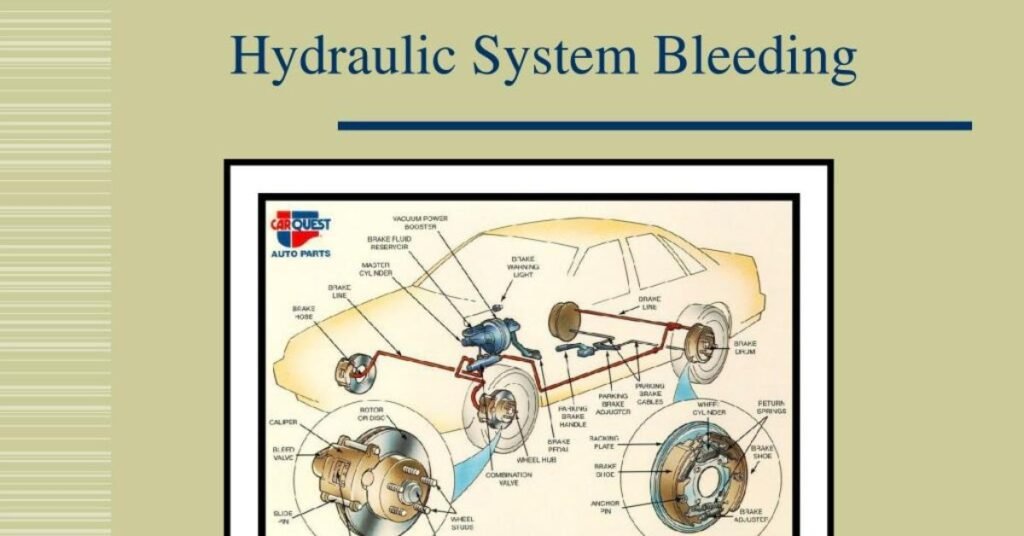
Importance of Removing Air
Air in the system can make steering feel spongy or unresponsive. Removing air ensures smooth and precise control.
How to Fill the System with Hydraulic Fluid
- Use only the recommended hydraulic fluid.
- Fill the reservoir slowly to avoid bubbles.
- Check all connections while filling.
How to Bleed or Purge Air Properly
- Several times turn the wheel from lock to lock.
- Keep the fluid topped up during the process.
- Repeat until no bubbles appear.
Common Mistakes to Avoid
- Not tightening hose fittings properly
- Skipping the bleeding process
- Using the wrong hydraulic fluid
- Ignoring alignment of the cylinder and helm
This step-by-step process ensures your hydraulic steering system works smoothly and safely on the water.
Routine Maintenance for Hydraulic Steering on Boats
Checking for Leaks & Inspecting Hoses and Fittings
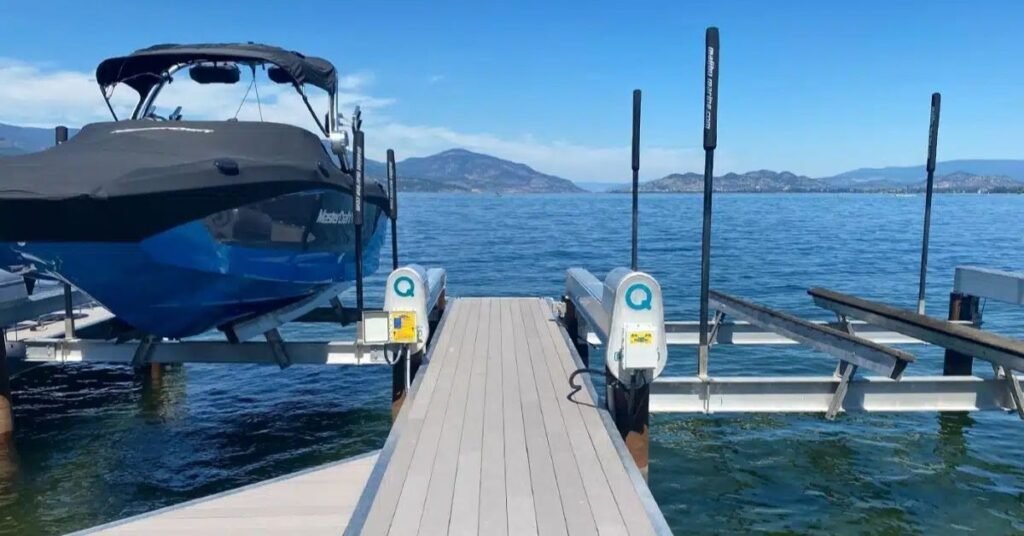
Regular maintenance keeps your hydraulic steering safe and smooth.Make sure that no leaks or cracks exist in the hoses and fittings.. Even small leaks can reduce steering performance. Inspect hoses for wear, kinks, or signs of damage.Fluid levels and early signs of wear should be maintained
Fluid Levels & Wear Detection
Always keep the hydraulic fluid at the correct level. Low fluid can make steering stiff or unresponsive. Watch for early signs of wear, like spongy steering, unusual noises, or jerky movements. Catching problems early saves time and prevents costly repairs.
Upgrading Your Boat Steering System
When to Replace Old Cable Steering & Switching Options
Old cable steering can feel heavy and unreliable. Consider upgrading if your boat is larger or has a more powerful engine. You can switch from tiller or mechanical steering to hydraulic systems for smoother control.
Upgrading to Modern Systems & Safety Factors
Popular upgrades include SeaStar, BayStar, or PRO hydraulic systems. These give better handling and reliability. Always consider safety factors like correct installation, matching the system to engine horsepower, and professional guidance if needed.
Hydraulic Steering for Commercial Boats
Heavy-Duty Requirements & Popular Systems
Commercial boats need stronger steering systems for larger engines and heavy loads. Systems like Capilano and Hynautic are designed for these vessels.
Maintenance for Commercial Hydraulic Systems
Commercial systems require regular inspections, fluid checks, and hose replacements. Preventive maintenance ensures smooth operation and avoids downtime.
Hydraulic Steering Maintenance Comparison Table
| Maintenance Area | What to Check | Frequency | Notes |
| Hoses & Fittings | Cracks, leaks, kinks | Every 3 months | Replace any damaged parts immediately |
| Hydraulic Fluid Level | Correct level, contamination | Monthly | Use recommended fluid only |
| Steering Response | Smooth movement, no sponginess | Every outing | If stiff, bleed system |
| Cylinder & Pump | Alignment, smooth operation | Every 6 months | Lubricate if needed |
| Early Wear Signs | Unusual noises, jerky steering | Weekly visual check | Investigate immediately |
| Upgrades & Replacements | Cable to hydraulic or new system | As needed | Match system to engine size |
| Commercial Systems Maintenance | All above + heavy-duty inspection | Monthly/Quarterly | Professional checks recommended |
This table helps both recreational and commercial boat owners keep their hydraulic steering in top condition.
Troubleshooting Common Hydraulic Steering Problems
Steering Feels Spongy or Loose & Difficulty Turning at High Speeds
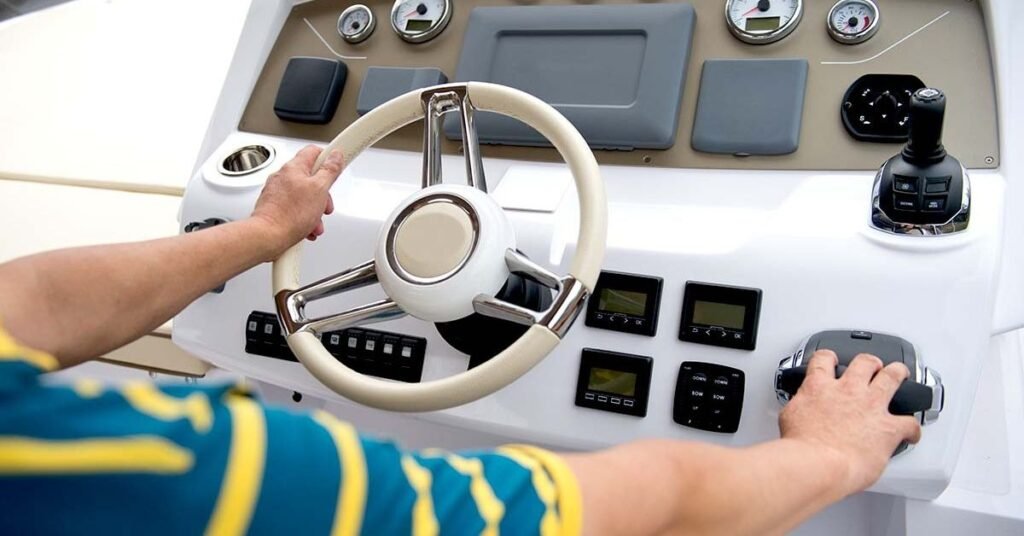
If your steering feels spongy or loose, it usually means there is air in the system or low hydraulic fluid.First, check the fluid level and top it off if necessary.. Difficulty turning at high speeds can also be caused by worn hoses, fittings, or a weak pump. Inspect all parts carefully and tighten any loose connections.
Air Bubbles in Hydraulic Lines & When to Seek Professional Service
Air bubbles in the lines can make steering unresponsive or jerky. Bleed the system properly to remove trapped air. If problems continue, or you notice leaks, strange noises, or poor steering control, it’s time to call a professional. Regular maintenance and timely troubleshooting keep your hydraulic steering safe and reliable on the water.
Conclusion
Hydraulic steering for boat systems makes handling easier and smoother. It gives better control than mechanical steering, especially on larger engines or rough water. Regular maintenance, proper installation, and timely upgrades keep the system safe and reliable.
Choosing the right kit, checking fluid levels, and fixing small issues early will save time and money. Whether for recreational or commercial boats, hydraulic steering for boat setups improve comfort, safety, and performance on every trip.
FAQs
- What is hydraulic steering for a boat?
Hydraulic steering for boats uses fluid pressure to turn the engine or rudder smoothly and with less effort. - How does hydraulic steering for boats work?
It works by pushing hydraulic fluid from the helm to a cylinder, which moves the outboard or rudder. - Why is hydraulic steering for boats better than mechanical steering?
It provides smoother control, easier handling, and is ideal for larger engines or rough water. - How do I maintain hydraulic steering for a boat?
Check fluid levels, inspect hoses and fittings, and bleed the system regularly to prevent air bubbles. - When should I upgrade my hydraulic steering for the boat?
Upgrade if your current system feels stiff, outdated, or if you install a larger engine for better performance.
