

Introduction:
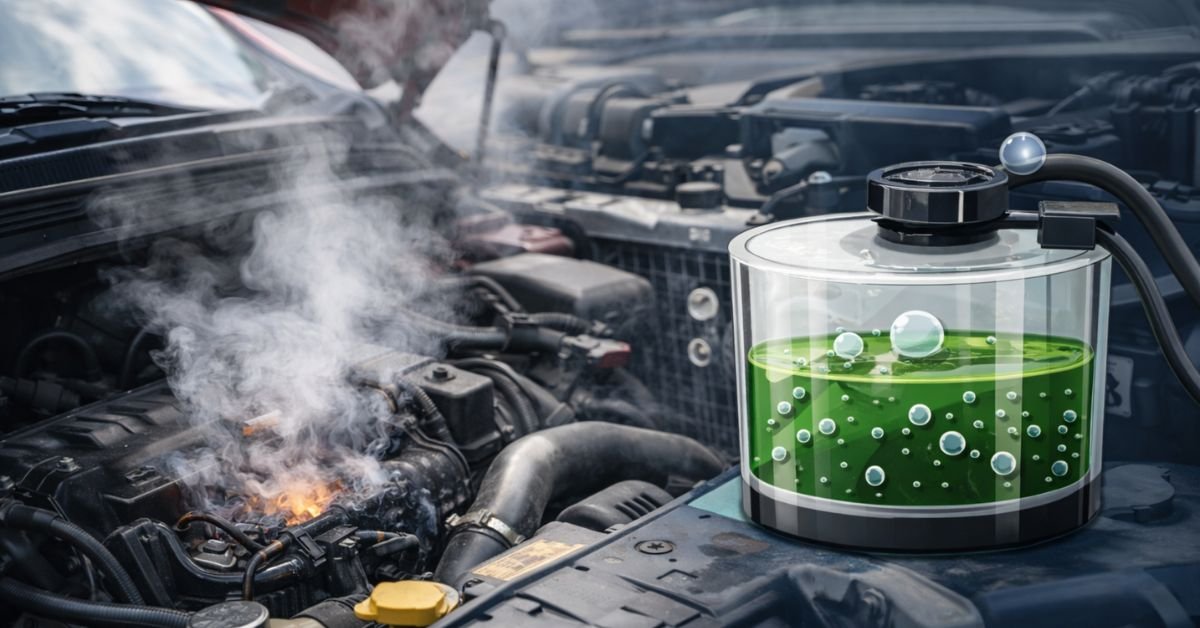
A car radiator helps keep the engine cool while the vehicle is running. It moves coolant through the cooling system to control engine temperature. But sometimes air gets trapped inside the radiator or cooling system. When this happens, the coolant cannot flow properly. This problem is called air in the radiator, and it can cause several warning signs in your car.
Many drivers ignore small cooling problems at first. But trapped air in the radiator can slowly turn into a bigger issue. Your engine may start overheating. The heater may stop blowing warm air. You might also notice strange temperature changes on the dashboard. These signs often confuse drivers because they look like other engine problems.
In this guide, we will explain the common air in radiator symptoms, what causes air to enter the cooling system, and how you can fix the problem. You will also learn simple solutions that can help keep your engine safe and running smoothly.
What Does Air in a Radiator Mean?
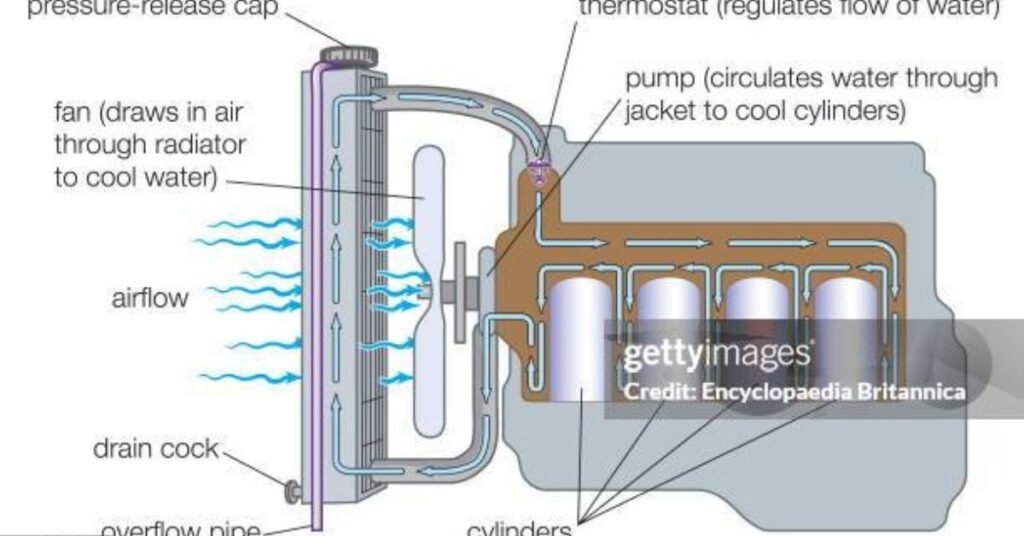
Air in a radiator means that air bubbles are trapped inside the car’s cooling system. Normally, the radiator should be filled with coolant that flows smoothly through the engine and radiator. This liquid removes heat from the engine and keeps the temperature stable. When air enters the system, it creates pockets that block the normal flow of coolant.
Because of these air pockets, the cooling system cannot work the way it should. Coolant may stop circulating in some areas, which can cause the engine to heat up faster. Drivers may notice uneven engine temperature or weak heater performance. Even a small amount of trapped air can disturb the balance of the cooling system and lead to other problems over time.
How Air Gets Trapped in a Car Cooling System
- Low coolant level allows empty space in the system where air can enter and stay trapped.
- Coolant leak in hoses or radiators can pull air into the cooling system while the engine is running.
- Improper coolant refill after maintenance can leave air pockets if the system is not bled correctly.
- A faulty radiator cap may allow air to enter instead of keeping the system sealed.
- Cracked hoses or loose connections can slowly let air seep into the cooling system.
- A blown head gasket can push air or gases from the engine into the radiator.
- Recent engine or cooling system repair may trap air if the system was not filled carefully.
Why Air in the Radiator Is a Serious Problem
Air inside the radiator can stop the cooling system from working properly. The radiator is designed to move liquid coolant, not air. When air pockets form, the coolant cannot circulate smoothly through the engine. This can cause the engine temperature to rise faster than normal. Over time, the engine may start overheating more often.
If the problem continues, it can lead to serious engine damage. High heat can harm important parts like the head gasket, water pump, or radiator. The car heater may also stop working because hot coolant is not flowing correctly. Ignoring trapped air in the radiator can turn a small issue into a costly repair. As a result, the problem must be fixed as soon as possible.
7 Common Air in Radiator Symptoms
Air trapped in the radiator can cause several noticeable problems in a car. One of the most common signs is engine overheating, because the coolant cannot circulate properly. Drivers may also see the temperature gauge moving up and down instead of staying steady. Another symptom is weak or no heat from the car heater, since hot coolant is not flowing through the heater core.
You might also hear gurgling or bubbling sounds coming from the radiator or dashboard area. In some cases, the coolant level may seem normal, but the engine still runs hot. Coolant may also overflow from the reservoir if air pressure builds inside the system. These symptoms often appear slowly, but they are clear signs that air could be trapped in the radiator.
Engine Overheating Frequently
When air gets trapped in the radiator, the coolant cannot flow properly. This makes the engine heat up faster than normal. You may notice the temperature gauge rising quickly during short drives. Frequent overheating can damage the engine if not fixed soon.
Even small pockets of air can prevent the coolant from reaching hot parts of the engine. This causes uneven cooling and makes your car more likely to overheat on long trips. Regular checks can prevent serious damage.
No Heat Coming From the Car Heater
Air in the radiator can block hot coolant from reaching the heater core. This means your car’s heater may blow cold air, even on cold days. It feels like the heating system is broken, but the real problem is trapped air.
The heater works only if hot coolant flows freely. Air pockets stop this flow, so your cabin never warms up properly. Bleeding the radiator can restore heat quickly and safely.
Gurgling or Bubbling Noise From the Radiator
If you hear strange gurgling or bubbling sounds, air may be trapped in the cooling system. These noises come from pockets of air moving through the radiator and hoses. It’s a clear sign that the system is not filled correctly.
Ignoring these sounds can lead to bigger problems like overheating or coolant leaks. Regular maintenance and proper bleeding of the radiator will remove air and stop the noise.
Coolant Level Dropping Quickly
Air in the radiator can make it seem like your coolant level is dropping fast. Even if there are no leaks, air bubbles take up space in the reservoir. This confuses drivers into thinking there is a serious coolant loss.
Low coolant levels affect engine cooling and can cause overheating. Checking for trapped air and topping off coolant carefully prevents sudden drops and protects the engine.
Temperature Gauge Fluctuating
A fluctuating temperature gauge is often caused by air in the radiator. The needle may go up and down unexpectedly because coolant flow is uneven. This can happen even during normal city driving.
These fluctuations warn that the engine is not cooling steadily. Leaving the problem unchecked may lead to overheating or heater failure. Bleeding the system will stabilize the gauge and improve engine safety.
Poor Engine Performance
Air in the radiator can indirectly affect engine performance. Overheating or inconsistent cooling can cause the engine to lose power or run rough.There may be sluggish acceleration or hesitation.
A hot engine may also consume more fuel and wear parts faster. Removing trapped air ensures the engine runs smoothly and efficiently, keeping performance at its best.
Visible Air Bubbles in Coolant Reservoir
If you see bubbles in the coolant reservoir, it’s a clear sign of trapped air. These bubbles move around when the engine runs. It usually happens after a coolant refill or when there is a leak.
Visible air bubbles mean the cooling system is not sealed properly. Bleeding the radiator removes the air and allows coolant to flow normally, protecting the engine from overheating.
What Causes Air in the Radiator?
- Low coolant level can create empty space in the system where air enters.
- Coolant leaks from hoses, radiator, or connections can let air seep inside.
- Improper refilling of the cooling system after maintenance can trap air.
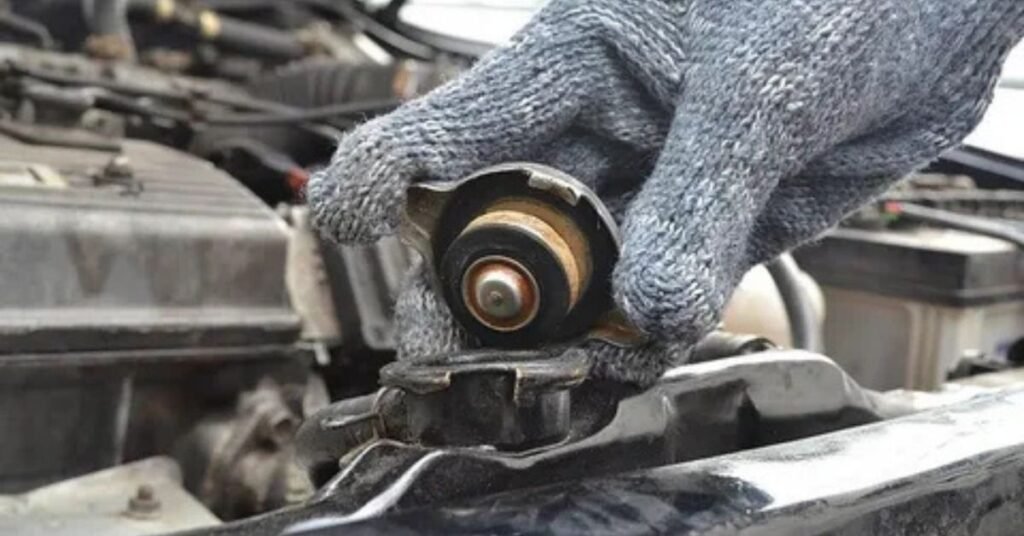
- Faulty radiator cap may fail to keep the system sealed, allowing air in.
- Cracked hoses or loose clamps slowly let air into the cooling system.
- Blown head gaskets can push engine gases into the radiator.
- Recent repairs to the engine or cooling system can leave air pockets if not bled properly.
Radiator air removal
- Turn off the engine and let it cool completely before starting.
- Locate the radiator cap and slowly remove it to release pressure.
- Top up the coolant if it’s low.
- The engine should be started and the heater should be set to high..
- Watch for bubbles in the radiator or reservoir as air escapes.
- Squeeze radiator hoses gently to help trapped air move out.
- Add more coolant if the level drops while bleeding air.
- Replace the radiator cap securely once all air is removed.
- Test drive the car and monitor the temperature gauge for stability.
- Repeat if needed until no more bubbles appear in the system.
Using a Radiator Bleed Valve
- Locate the bleed valve on your radiator or cooling system.
- Turn the valve slowly to release trapped air.
- Listen for hissing sounds as air escapes from the system.
- Close the valve once only coolant flows out without bubbles.
- Top up coolant if the level drops during bleeding.
Running the Engine to Release Trapped Air
- With the heater on high, start the engine and let it idle.
- Watch for bubbling in the radiator or coolant reservoir.
- Gently squeeze hoses to help move trapped air.
- Keep an eye on the temperature gauge to ensure the engine doesn’t overheat.
- Repeat the process until no more air bubbles appear.
Checking Coolant Level After Bleeding
- After turning off the engine, let it cool completely.
- Make sure the radiator and reservoir are filled with coolant.
- In case of need, top up with the correct coolant.
- Secure the radiator cap tightly after refilling.
- Monitor levels over the next few days to ensure no air or leaks remain.
Can Air in the Radiator Damage Your Engine?
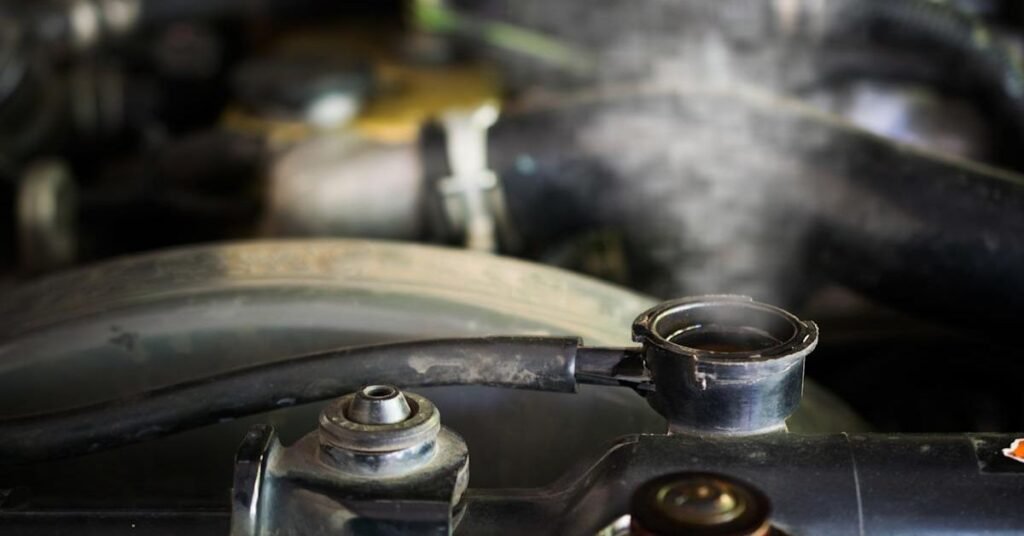
Yes, air trapped in the radiator can harm your engine over time. When coolant cannot flow properly, the engine heats up faster than normal. High temperatures can damage important parts like the head gasket, water pump, and cylinder head. Even short periods of overheating can weaken engine components.
Air in the radiator also causes uneven cooling, which puts extra stress on the engine. This can lead to poor performance, higher fuel consumption, and costly repairs. Fixing the problem quickly by bleeding the system or removing trapped air helps keep your engine safe and running smoothly.
How to Prevent Air From Entering the Cooling System
- Keep coolant levels full and check them regularly.
- Inspect hoses and connections for leaks or cracks.
- Use a proper radiator cap that seals the system tightly.
- Bleed the cooling system after refilling or maintenance.
- Avoid over-tightening or loosening clamps that can create gaps.
- Check for head gasket issues that may push air into the radiator.
- Perform regular maintenance on the radiator and water pump.
- Follow proper refill procedures to prevent air pockets.
- Monitor temperature gauge for unusual changes.
- Replace worn or damaged parts promptly to maintain a sealed system.
When You Should See a Mechanic for Radiator Air Problems
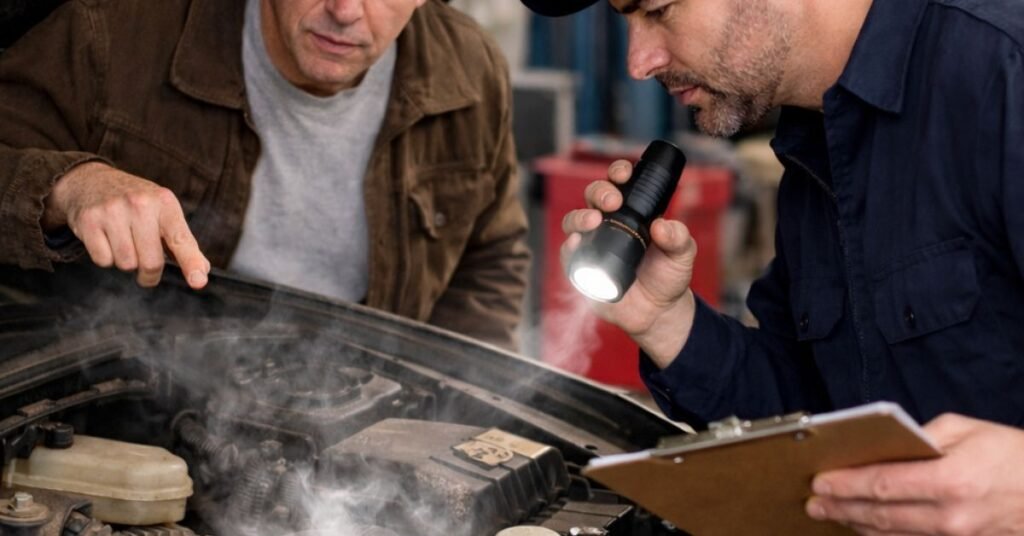
If you notice that your car keeps overheating even after trying to remove air, it’s time to see a mechanic. Some air problems may be caused by leaks, a blown head gasket, or damaged hoses. A professional can diagnose the issue and prevent serious engine damage.
Other signs you should not ignore include constant coolant loss, unusual noises from the radiator, or poor heater performance. A mechanic can also properly bleed the system and check for hidden problems.
- Engine keeps overheating despite bleeding
- Coolant level drops quickly
- Strange gurgling or bubbling sounds
- Poor heater performance
- Visible leaks in hoses or radiator
- Temperature gauge fluctuates constantly
- Recent repair did not fix the problem
Seeing a mechanic early can save money and protect your engine from long-term damage.
Conclusion
Air trapped in a radiator may seem like a small problem, but it can cause serious engine issues if ignored. It affects coolant flow, makes the engine overheat, and can lead to damage in parts like the head gasket, water pump, and hoses. Paying attention to symptoms like bubbling sounds, fluctuating temperature, or heater problems can help you catch the issue early.
The good news is that air in the radiator can be fixed with simple steps like bleeding the system, checking coolant levels, and inspecting hoses. Regular maintenance and careful refilling of coolant prevent air from entering the system. Acting quickly keeps your engine safe, ensures smooth performance, and saves money on costly repairs in the long run. Staying proactive is the key to avoiding big problems.
FAQs
1. What are the common symptoms of air in the radiator?
Air in the radiator can cause engine overheating, fluctuating temperature gauge, gurgling sounds, and weak heater performance.
Explanation: These symptoms happen because trapped air blocks coolant flow, which prevents the engine from cooling evenly. Even a small air pocket can disrupt the system.
2. How does air get into the radiator?
Air can enter due to low coolant levels, leaks, a faulty radiator cap, or improper refilling after maintenance.
Explanation: Any gap in the sealed cooling system allows air to enter. Engine gases from a blown head gasket can also push air into the radiator.
3. Can air in the radiator damage the engine?
Yes, trapped air can cause overheating, poor engine performance, and damage to parts like the head gasket and water pump.
Explanation: Uneven cooling puts stress on the engine. Ignoring it can lead to serious, costly repairs. Removing the air quickly protects the engine.
4. How can I remove air from the radiator?
You can bleed the radiator using a bleed valve, run the engine with the heater on, and top up coolant as needed.
Explanation: Bleeding releases trapped air and restores proper coolant flow. Squeezing hoses gently helps move air out of tight spots in the system.
5. When should I see a mechanic for radiator air problems?
See a mechanic if overheating continues, coolant levels drop quickly, or gurgling noises persist.
Explanation: Some air problems are caused by leaks, a blown head gasket, or damaged parts. A professional can safely fix the issue and prevent engine damage.
