

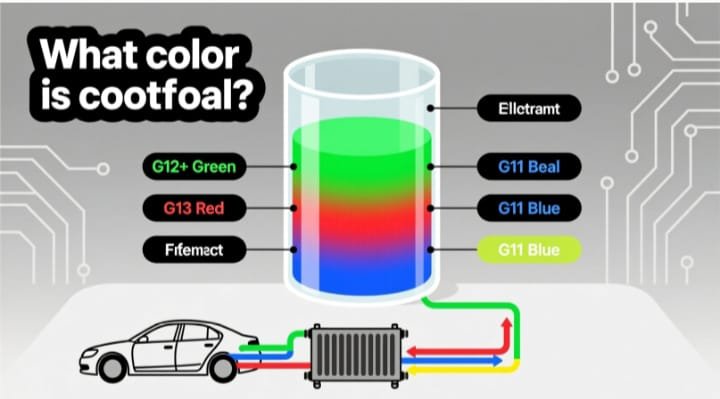
Have you ever opened your car’s bonnet and wondered, “Why is this liquid green, red, or orange?” Many drivers get confused when they see different coolant colors. Some even mix them without knowing the risks. This small mistake can damage the engine and cost a lot of money. That is why understanding coolant color is very important.
Coolant is a special liquid that helps your engine stay cool. It flows through the engine and stops it from overheating. In winter, it also protects the engine from freezing. Many people only see the color and think that is all that matters. But there is more to coolant than just the color.
In this guide, you will learn what coolant is and what the different colors mean. You will also know why some cars use green coolant, while others use pink or orange. We will share simple tips to help you choose the right coolant for your car. This way, you can protect your engine and drive with confidence.
Why Is Coolant Different Colours?
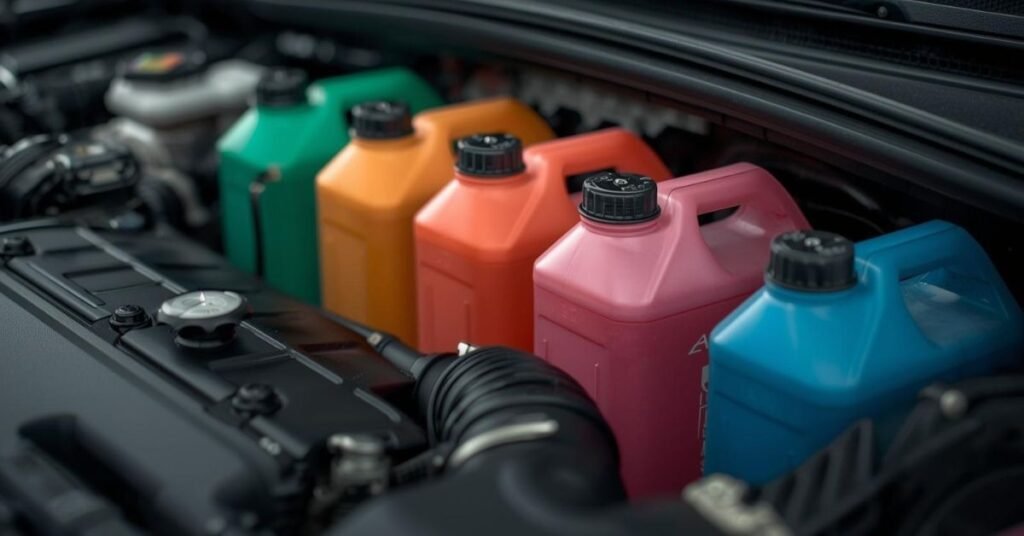
Coolant comes in different colours to show different types and formulas. Some are green, some are red, orange, yellow, blue, or pink. The colour helps you and mechanics quickly know what kind of coolant is in the car. It also helps avoid mixing the wrong types together. So, the colour is like a simple label for the liquid.
Different colours also mean different chemicals and protection levels. Some coolants are made for older cars. Some are made for modern engines with special metals and parts. If you mix the wrong colours, the coolant may not work properly. It can cause rust, clogging, or damage inside the engine. That is why it is important to always use the colour and type recommended in your car manual.
Why is Coolant/Antifreeze Different Colours?
Coolant/antifreeze comes in many colours like green, red, orange, yellow, blue, and pink. These colours are not just for looks. They help show the type of formula used inside the bottle. Different formulas protect different types of engines and metals. The colour makes it easier for you and your mechanic to quickly tell them apart.
Each colour often matches a certain technology or car type. Some coolants are made for older cars, and some are made for newer engines. If you mix two different colours, they may not work well together. This can reduce protection and may even cause damage or blockages. That is why it is important to always check your car manual and use the coolant/antifreeze colour and type it recommends.
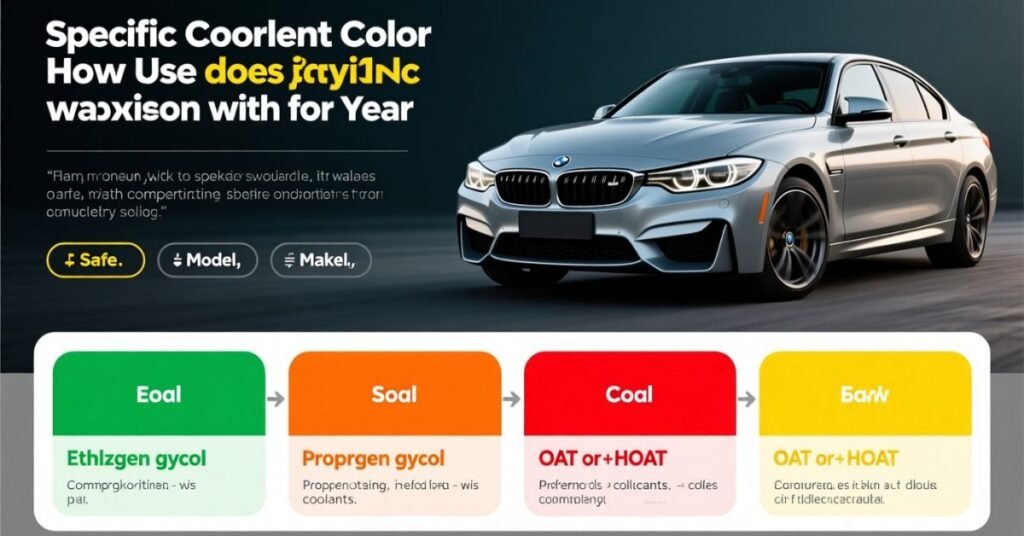
Is there a particular colour of coolant I need to use in my car?
Coolant comes in different colours. For example, green, red, orange, blue, and pink. The colour helps show the type and formula. But the colour alone does not tell you if it is right for your car. Each car brand has its own coolant type. So, you should always follow your car manual or check the cap/label under the bonnet.
Using the wrong coolant can cause problems. It may reduce protection. It can also cause rust or clogging in the engine. Do not mix random colours together. Only top up with the same type already in your car, or fully flush and change it. If you are not sure, ask a trusted mechanic.
- Check your owner’s manual before buying coolant
- Match the coolant type, not just the colour
- Avoid mixing different coolant types
- Ask a mechanic if you feel confused or unsure
What Do Coolant/Antifreeze Colours Mean?
Coolant/antifreeze comes in many colours. Like green, red, orange, yellow, blue, and pink. The colour helps show the formula and age of the technology. For example, older coolants are often green. Newer, long-life coolants are often orange, red, or pink. But each brand can use its own colour system.
Colours also hint at how long the coolant lasts and what it protects. Some types are made for older cars. Some are made for modern engines and aluminium parts. However, colour is not a perfect guide. Two coolants can have the same colour but different formulas. So, always read the label and follow your car manual, not just the colour.
- Green: often older, shorter-life coolant
- Orange / Red / Pink: often long-life, modern coolant
- Blue / Yellow: often used by some Asian and European car brands
- Never rely only on colour; always check the type and car manual
- Do not mix colours unless the bottle clearly says it is safe
Which Coolant/Antifreeze Should I Use in My Car?
Choosing the right coolant for your car is very important. Using the wrong type can cause engine damage. Most cars need either traditional green coolant or newer long-life types like orange, red, or pink. Always check your car manual before buying. You should also know if your car uses organic acid technology (OAT), hybrid organic acid technology (HOAT), or inorganic (IAT) coolant.
Here are some guidelines to help you choose the right coolant for your vehicle
| Coolant Colour | Type / Base | Typical Vehicles | Main Features | Can You Mix It With Others? | Notes / When to Use |
| Green | IAT | Older cars | Short-life, basic protection | No | Change every 2 years |
| Orange | OAT | Newer cars, GM, VW | Long-life, corrosion-resistant | No | Change every 5 years |
| Red | OAT | Newer Asian cars | Long-life, protects aluminum | No | Use with compatible vehicles only |
| Pink | HOAT | Some European cars | Long-life, mix of organic & inorganic | Partial (with same HOAT type) | Check car manual |
| Blue | OAT/HOAT | Japanese cars | Long-life, corrosion protection | No | Use only if manufacturer recommends |
| Yellow | HOAT | Some trucks/SUVs | Extended life, engine protection | Partial (with same HOAT type) | Ideal for heavy-duty use |
Using the correct coolant keeps your engine running smooth. Always replace old coolant before it becomes dirty or breaks down. Never mix types unless the manual allows it. Proper coolant helps prevent overheating, rust, and costly repairs.
Conclusion
Coolant may look simple, but it is very important for your car. It keeps the engine cool. It stops metal parts from rust. It also protects the system in hot and cold weather. So, never ignore it. Always check it on time.
Now you know the answer to the question, “what color is coolant”. The color can be green, orange, pink, blue, or yellow. The main thing is to use the right type, not just the right color. Always read your car manual. Follow the company advice. This will keep your engine safe, and your car will run smoothly.
FAQs
1. What color is coolant?
Coolant can be green, orange, pink, blue, or yellow depending on the formula and brand. Each color represents a different type of coolant technology. Always check your car’s manual before choosing the right one.
2. Does coolant color matter?
Yes, coolant color matters because it often indicates the chemical type used in the coolant. But you should always follow the coolant type your car manufacturer recommends rather than relying only on color.
3. Can I mix different coolant colors?
No, mixing different coolant colors is not recommended because the formulas can react with each other. This may reduce cooling protection, create sludge, and damage the radiator or water pump over time.
4. Why are there different coolant colors?
Coolant colors differ because each type uses unique additives and corrosion inhibitors. Manufacturers use these colors to help identify formulas made for specific engine types, vehicle brands, and durability needs.
5. How do I know which coolant color is right for my car?
The best way to know is to check your car’s owner manual or the recommendation on the coolant bottle. These sources clearly mention which coolant type and color matches your engine’s requirements.
6. Does coolant color affect engine performance?
Coolant color itself doesn’t affect performance, but the type of coolant does. Using the wrong coolant type can reduce heat protection and lead to overheating or corrosion inside the engine.
