

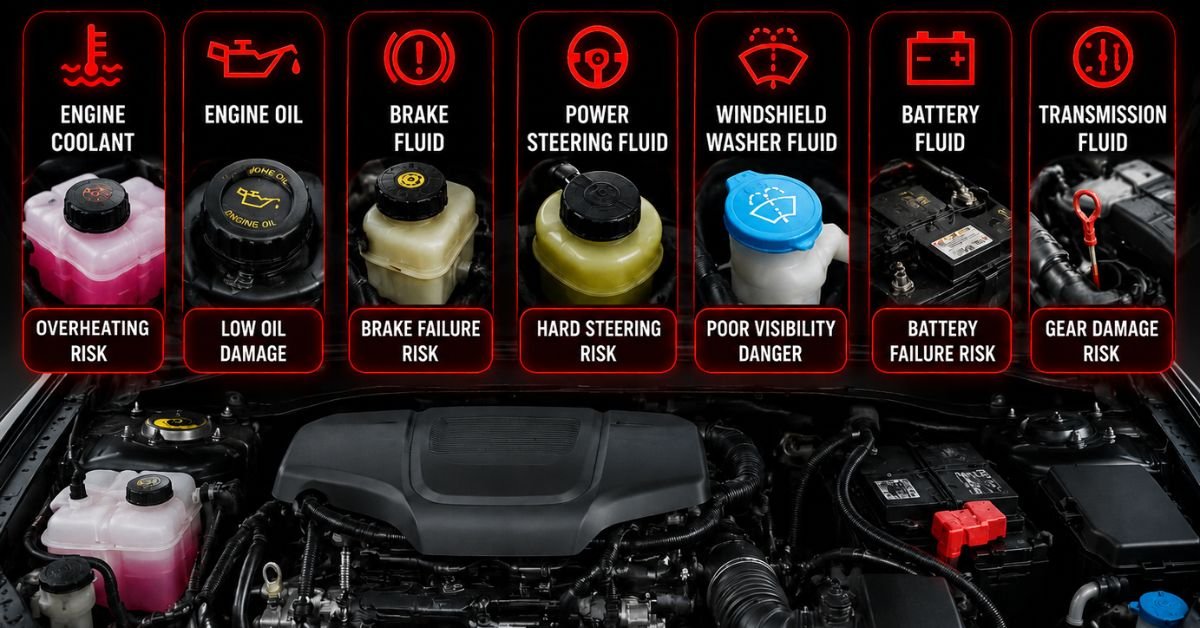
My Personal Experience: A few years back, I ignored a tiny sweet smell coming from my hood. Three days later, my engine overheated on a highway. That mistake cost me over $1,400. I never ignored a fluid warning again after that.
Introduction: Most car owners check their tire pressure but completely forget about the fluids running through their vehicle every single day. These fluids are the lifeblood of your car. From coolant leak symptoms to low brake fluid signs, understanding each fluid can mean the difference between a minor fix and a catastrophic repair bill that drains your wallet.
Why This Matters: Your car speaks to you through leaks, smells, and colors. Learn its language before it breaks down and leaves you stranded on the side of the road.
How to Identify Coolant Leak Symptoms Before It Destroys Your Engine
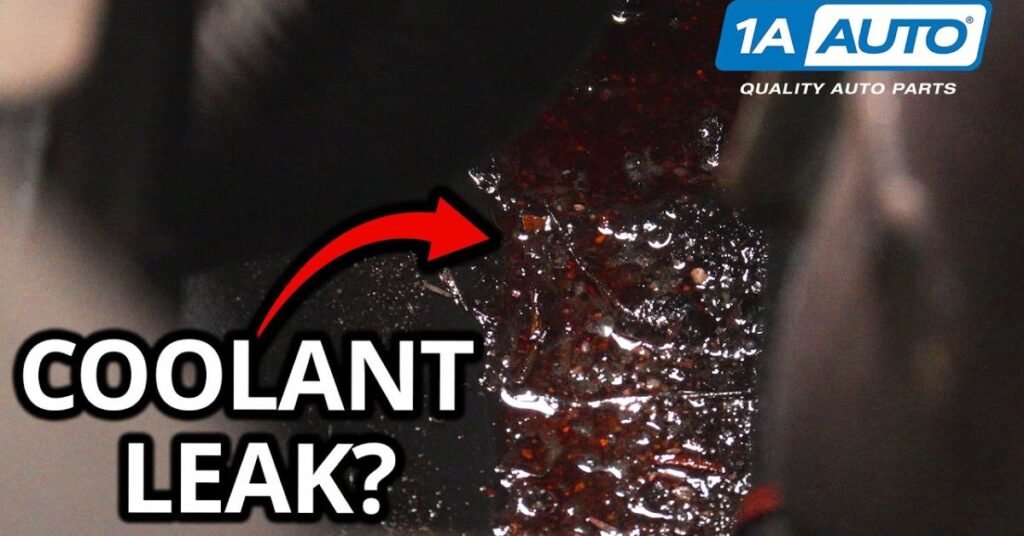
Coolant is responsible for keeping your engine from turning into a furnace. When it leaks, your engine temperature climbs fast, and the damage can be permanent. The tricky part is that small leaks are almost invisible until something big goes wrong. I learned this the hard way, and it’s one of the most common issues mechanics see every single week.
The most obvious coolant leak symptoms include a sweet, almost maple-syrup-like smell coming from under the hood. You might also notice a low coolant warning light appearing on your dashboard, white smoke rising from the engine bay, or visible puddles of green, orange, or pink liquid beneath your car after parking. If your car starts overheating more than usual, especially in stop-and-go traffic, that’s your engine telling you something is very wrong with the cooling system.
Low Brake Fluid Signs You Should Never Ignore
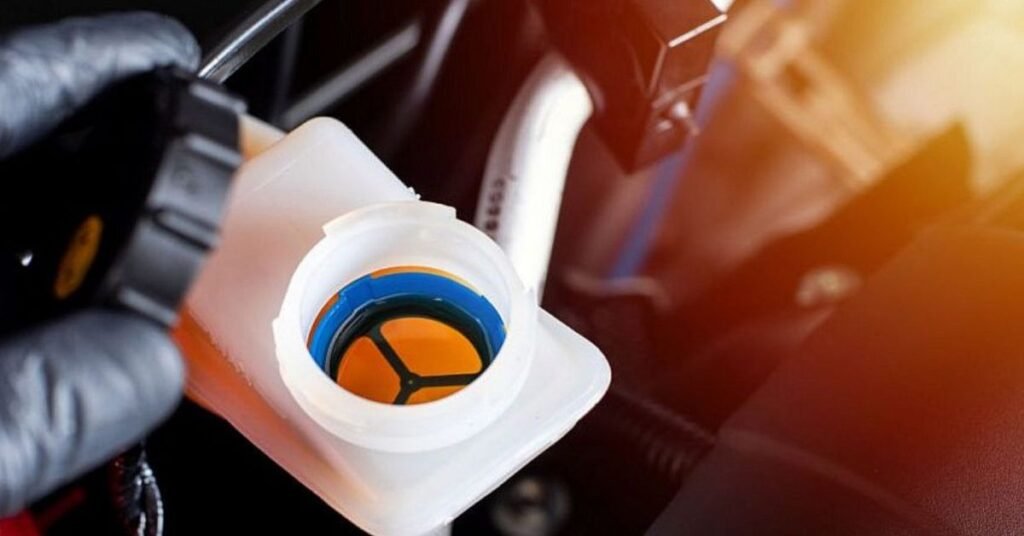
Brakes are your car’s most critical safety system. Low brake fluid signs are not just a maintenance issue, they are a direct threat to your life and the lives of everyone around you on the road.
Spongy or Soft Brake Pedal Feel
When brake fluid drops too low, air enters the brake lines. This causes the pedal to feel soft or spongy when you press it. Instead of firm resistance, your foot sinks further than it should. This is one of the clearest signs that something is wrong. Do not drive further without getting this checked immediately.
Brake Warning Light Illuminates
Modern cars have sensors that detect low brake fluid levels. If that little exclamation mark inside a circle lights up on your dashboard, check the brake fluid reservoir under the hood. It is a translucent plastic container, so you can read the level without even opening it. If it reads below the minimum line, top it off right away.
How to Check Brake Fluid the Right Way
Checking brake fluid takes less than two minutes. Open the hood, locate the small reservoir near the firewall on the driver’s side, and look at the MIN and MAX markings on the outside. The fluid should be between these two marks. Healthy brake fluid is light yellow and almost clear. If it looks dark brown or black, that is a clear sign you need a brake fluid change guide to follow for a proper flush.
Transmission Fluid Color and What It Tells You
Transmission fluid color is one of the easiest ways to know if your gearbox is healthy or slowly dying. Fresh transmission fluid is bright red and slightly translucent. As it ages and picks up heat and debris, it darkens. Light brown means it is aging but still usable. Dark brown or black means it has broken down completely and needs an immediate change. If your transmission fluid smells burnt, that is even more urgent internal damage may already be underway.
Power Steering Fluid Leak and Steering Fluid Low Symptoms
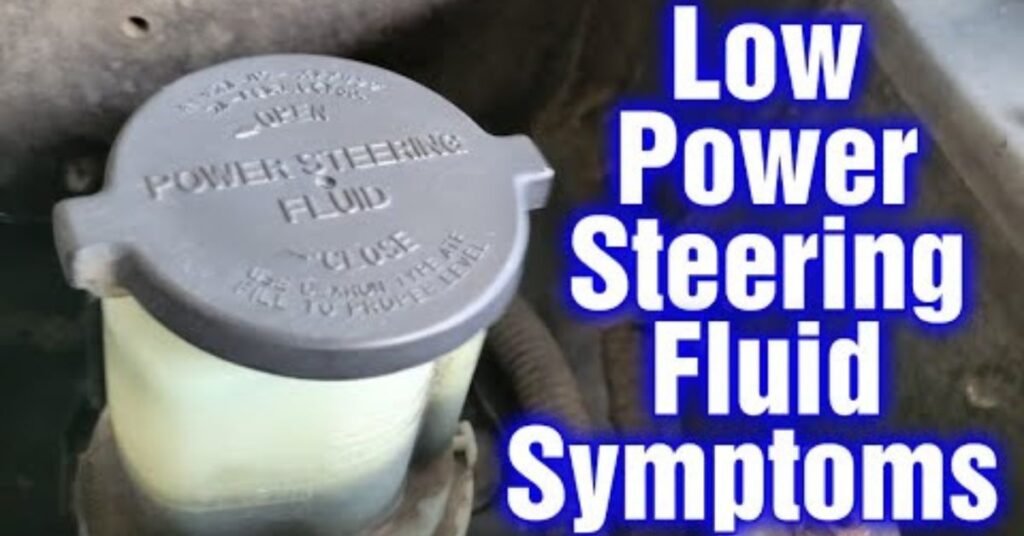
A whining or groaning noise when you turn the steering wheel is the earliest sign of steering fluid low symptoms. The pump is working harder than it should because the fluid level has dropped.
Your steering wheel feels unusually stiff or hard to turn, especially at low speeds or when parking. This is direct evidence of a power steering fluid leak reducing hydraulic pressure.
Look under your car near the front wheels. A reddish or clear oily puddle is a classic sign of power steering fluid leak from a hose, seal, or the power steering rack itself.
In severe cases, your car may pull to one side or feel unpredictable when steering. At this point, driving is genuinely unsafe until the system is repaired and refilled properly.
If you ignore a power steering fluid leak long enough, the pump will run dry, overheat, and fail completely turning a $20 fluid top-off into a $400-plus pump replacement.
Engine Oil Leak Causes and Different Car Fluid Colors Explained
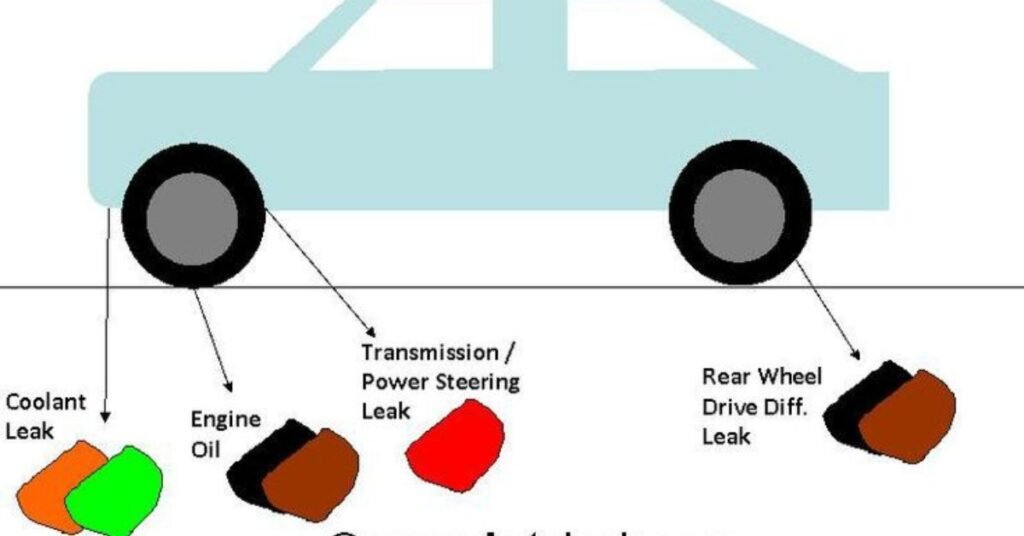
Engine oil leaks are incredibly common, yet many drivers live with them for months without realizing the serious damage accumulating under the hood. The most frequent engine oil leak causes include worn valve cover gaskets, degraded rear main seals, damaged oil pans from road debris, and loose or missing drain plugs. Each of these starts as a small drip but grows into a significant leak if ignored long enough.
Understanding different car fluid colors helps you diagnose problems quickly. Engine oil is amber to brown and leaves a dark, slightly thick puddle. Coolant is bright green, orange, or pink and smells sweet. Brake fluid is pale yellow and feels slippery. Transmission fluid is red or brown. Power steering fluid is usually reddish and thin. Windshield washer fluid is typically blue or clear. When you see a fresh puddle under your car, identifying the color immediately tells you which system needs attention before you even open the hood.
Detailed Bullet Points on Engine Oil Leak Causes
Valve cover gaskets are rubber and degrade over time, especially in extreme heat. When they crack, oil seeps out from the top of the engine and drips down the sides.
The rear main seal is located where the crankshaft exits the engine block. When this seal fails, it can cause a significant oil leak directly onto the ground beneath the car.
A cracked or punctured oil pan from road debris is another major culprit. Even a small rock strike at highway speed can crack the pan and cause a sudden oil loss.
Overfilling the engine with too much oil creates excess pressure that pushes oil past seals and gaskets, creating leaks that otherwise would never have occurred.
Can You Mix Coolant? The Truth Every Driver Needs to Know
Different Coolant Types and Why They Matter
There are several types of coolant on the market, including IAT, OAT, and HOAT formulas. Each uses a different chemical inhibitor package designed for specific metals in your engine and cooling system. Mixing the wrong types does not just reduce effectiveness, it can actually create a gel-like substance that clogs your radiator and coolant passages, leading to overheating and expensive damage.
What Happens When You Mix Coolants
Can you mix coolant from different brands or colors? The short answer is: sometimes, but usually not safely. Many modern coolants are pre-diluted and color-coded for a reason. Mixing a green IAT with an orange OAT, for instance, causes the corrosion inhibitors to react with each other and break down. The mixture loses its protective properties almost immediately. Always check your owner’s manual and only top off with the exact coolant type specified for your vehicle.
Coolant Bubbling in Reservoir A Sign of Bigger Trouble
Coolant bubbling in the reservoir is not something to dismiss as normal. Bubbles in the coolant overflow tank almost always point to a head gasket leak, which is one of the most expensive engine repairs imaginable. Hot combustion gases are leaking into the cooling system, pushing air through the coolant and causing that bubbling effect. Other signs include white smoke from the exhaust, milky oil on the dipstick, and an engine that overheats repeatedly even after the coolant has been topped off.
Bad Radiator Symptoms and Overheating Engine Causes
- Your temperature gauge regularly climbing toward the red zone is the most obvious sign of bad radiator symptoms or an overheating engine in early stages.
- Visible coolant leaks around the radiator body or the hose connections indicate that the radiator is failing and no longer holding pressure as it should.
- Discolored or rusty coolant in the reservoir means the radiator is corroding from the inside, contaminating the fluid and reducing its ability to transfer heat away from the engine.
- A blocked or clogged radiator from scale buildup or debris will cause the engine to run hotter, especially at low speeds when airflow through the front grille is minimal.
- Overheating engine causes also include a failed thermostat, a broken water pump, a snapped serpentine belt, or simply running low on coolant due to an undetected leak in the system.
- If your car’s heater suddenly stops putting out warm air, that can also indicate low coolant levels, which is both a cooling problem and a symptom of a radiator or system issue.
Transmission Fluid Smell and Why It Matters More Than You Think
A burnt transmission fluid smell is one of those warnings that most drivers either miss entirely or mentally dismiss as something unimportant. In reality, it is one of the most telling signs that your transmission is under serious stress. The fluid is burning because it has lost its ability to lubricate and cool the transmission components, which means metal is grinding on metal at extremely high temperatures inside the gearbox.
If you notice a transmission fluid smell that is sharp, acrid, or distinctly burnt, pull over when it is safe and let the vehicle cool down before driving further. Check the dipstick if your vehicle has one many newer models do not. Look at the color and smell the fluid directly. If it has turned dark and the odor is strong, schedule a transmission fluid flush as soon as possible. Continuing to drive on burnt fluid is one of the fastest ways to turn a manageable repair into a full transmission replacement costing thousands.
Quick Checklist for Transmission Fluid Health
- Check the transmission fluid color regularly; it should remain red and translucent, not brown or black.
- Notice any delays or slipping when your car shifts gears this is often linked directly to low or degraded fluid.
- Have the fluid changed according to your manufacturer’s interval, usually every 30,000 to 60,000 miles depending on driving habits and vehicle type.
- Never ignore a burning smell from under the hood when it is coming from the transmission area, the cost of delay is always higher than the cost of action
Final Tips for Staying on Top of All Your Car Fluids
Keeping a simple monthly habit of checking your car’s fluid levels takes about ten minutes and can prevent thousands of dollars in repairs. Keep a rag and a flashlight in your glove box. Make it part of your routine on the first of every month. Your car will thank you with years of reliable service.
Conclusion
Your car’s fluids are its lifeline. From coolant leak symptoms to transmission fluid smell, each warning exists for a reason. Learning to recognize these signs early, acting on them quickly, and staying consistent with maintenance is the single most effective way to protect your investment and keep yourself safe on every drive.
Frequently Asked Questions
Q1: What are the first signs of a coolant leak?
A sweet smell, white smoke, rising temperature gauge, and a visible green or orange puddle under the car are classic first signs.
Q2: How do I know if my brake fluid is low?
A soft brake pedal, a warning light on your dashboard, or fluid level below the MIN line on the reservoir are clear signs.
Q3: Can mixing different coolants damage my engine?
Yes, mixing incompatible coolants can create gel buildup and destroy the inhibitor protection, causing overheating and internal corrosion.
Q4: What does dark brown transmission fluid mean?
Dark brown fluid means it has fully degraded and lost lubrication properties; an immediate fluid flush is needed to prevent transmission damage.
Q5: Why is coolant bubbling in my reservoir?
Bubbling typically means combustion gases are entering the cooling system, which usually points to a blown or failing head gasket.
