

Introduction:
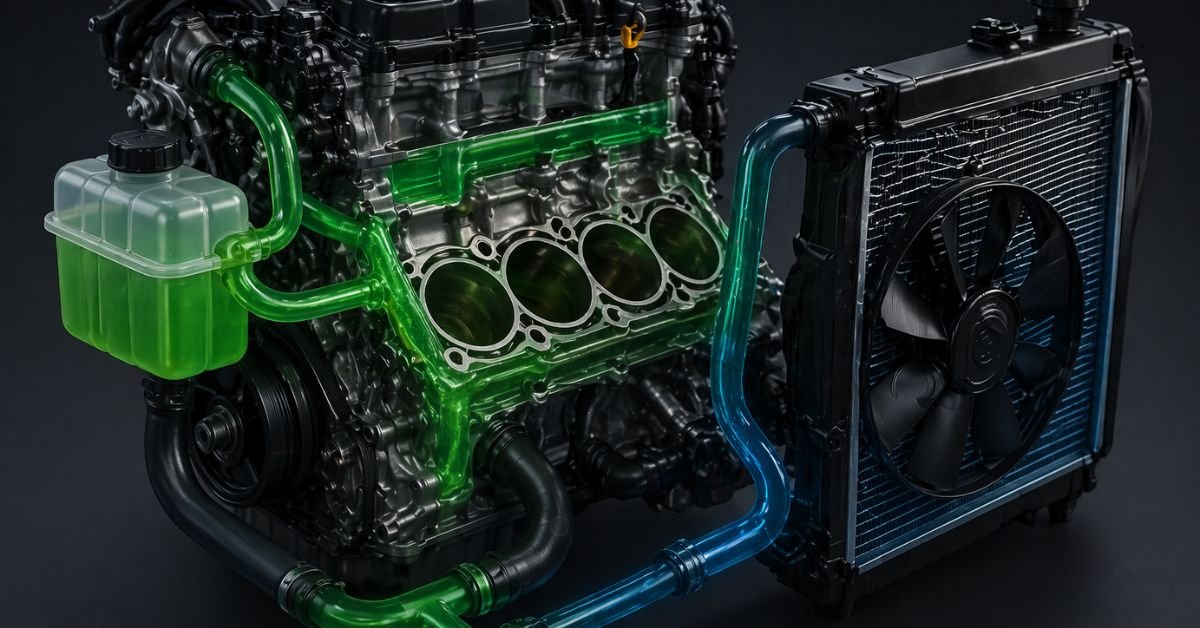
Coolant is a special liquid that flows through your car’s engine. It helps control temperature and keeps the engine from overheating. Many people don’t know that coolant also plays a big role in the car’s heating system. It carries heat from the engine to the heater core, which then warms the air inside your car.
If your car heater is blowing cold air, coolant could be the reason. Low or dirty coolant can stop heat from reaching the cabin. This can make winter drives very uncomfortable. It may also be a sign of a bigger problem in your cooling system.
In simple terms, yes coolant does affect heat in cars. Without enough coolant, your heater may not work properly. Keeping the right coolant level helps your car stay warm and run smoothly.
Does Coolant Affect Heat in a Car?
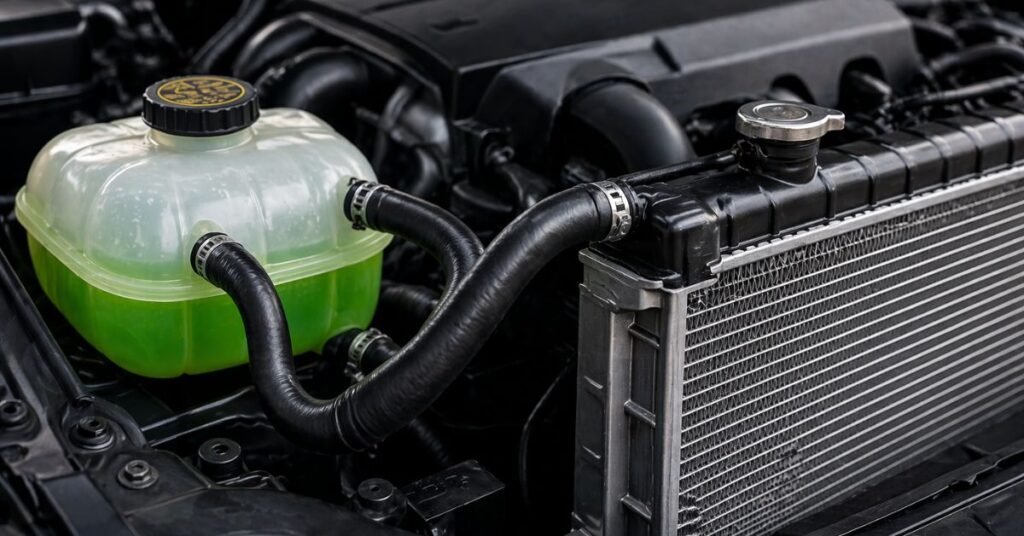
Yes, coolant does affect heat in a car.The engine’s coolant absorbs heat as it flows through it. This heat is then sent to the heater core. The heater core uses it to warm the air inside your car. If the coolant is low or not working properly, the heater may blow cold air.
A healthy coolant system keeps both the engine and cabin warm. When coolant is dirty or leaking, heat cannot transfer properly. This can lead to weak or no heat inside the car. Regularly checking coolant levels helps maintain proper heating and overall performance.
How Engine Coolant Controls Car Heater Performance
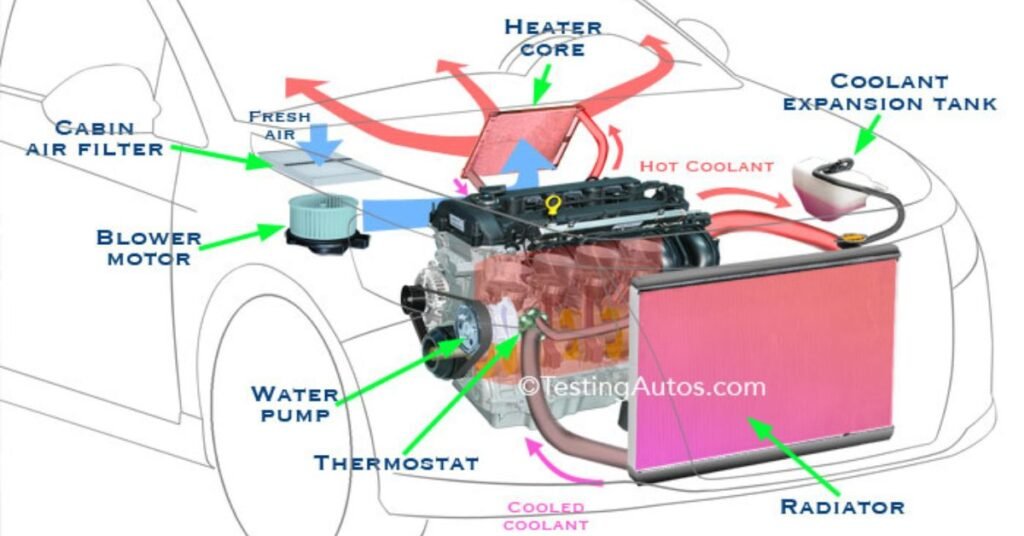
Engine coolant plays an important role in how your car heater works. It flows through the engine and absorbs heat while the engine runs. This heated coolant then moves to the heater core, where it helps warm the air that goes into the cabin. Without proper coolant flow, the heater cannot produce warm air.
If the coolant level is low or the fluid is dirty, the heater performance drops. You may notice weak or cold air coming from the vents. This happens because heat is not being transferred properly inside the system. Keeping the coolant clean and at the right level helps your car heater work smoothly.
How the Heater Core Uses Coolant to Produce Heat
The heater core is a small part inside your car’s heating system. It works like a mini radiator. Through it, hot coolant flows from the engine.Heat is transferred from the heater core to the air as it passes over it. This warm air is then sent into the car cabin.
If coolant is not flowing properly, the heater core cannot work well. This means the air inside the car will stay cold. A blocked or low coolant level can reduce heat quickly. That is why proper coolant circulation is very important for a working car heater.
Why Coolant Temperature Matters for Cabin Warmth
- Warm coolant helps transfer heat to the heater core
- Heater core uses coolant heat to warm cabin air
- Proper temperature gives steady and comfortable heating
- Low coolant temperature leads to weak cabin heat
- Unstable coolant temperature causes uneven heating
- Cold or low coolant results in no or very little heat
- Correct engine temperature improves overall heater performance
What Happens When Coolant Is Low or Bad?
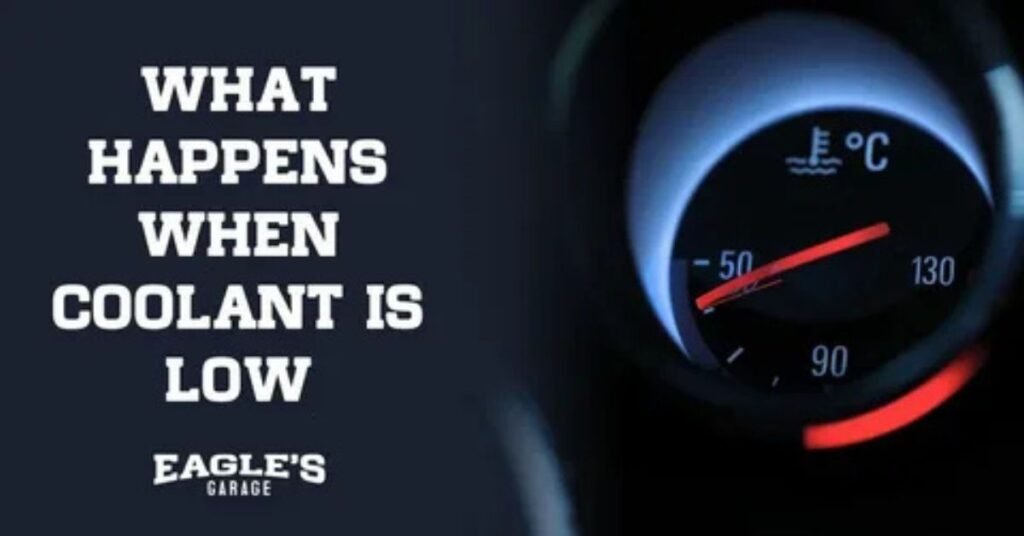
When coolant is low or in bad condition, the car starts to show heating problems. The engine may not stay at the right temperature. This can affect both engine performance and cabin heating. In many cases, the heater stops working properly and blows cold air instead of warm air.
Bad coolant can also cause serious engine issues if ignored. It cannot absorb and transfer heat properly, which leads to overheating. Over time, this can damage important engine parts and reduce overall car life.
Effects of Low or Bad Coolant
| Problem Area | What Happens | Result in Car |
| Engine Temperature | Becomes too high or unstable | Overheating risk |
| Heater Performance | Heat transfer becomes weak | Cabin blows cold air |
| Coolant Flow | Blocked or reduced flow | Poor heating system performance |
| Engine Parts | Extra stress and heat damage | Possible engine wear |
| Fuel Efficiency | Engine works harder | More fuel consumption |
| Overall Driving | Less smooth performance | Uncomfortable driving experience |
Low Coolant and No Heat Inside the Car
Low coolant is one of the most common reasons for no heat inside a car. When coolant level drops, there is not enough hot liquid to move through the heater core. This stops warm air from reaching the cabin. As a result, the heater may only blow cold air even when the engine is running.
This problem often gets worse in cold weather. Drivers may notice that the engine is fine, but the cabin stays cold. Low coolant can also trap air in the system, which blocks proper heat flow. Checking and refilling coolant on time helps restore normal heating inside the car.
Engine Overheating and Heat Loss Connection
Engine overheating and heat loss are closely connected to coolant problems. When coolant is low or not working properly, it cannot carry heat away from the engine. This causes the engine temperature to rise quickly. At the same time, the heating system inside the car may stop working correctly.
When the engine overheats, the system tries to protect itself by reducing performance. This can lead to weak or no heat in the cabin. In some cases, the heater may blow cold air even when the engine is very hot. Keeping the coolant at the right level helps control both overheating and heat loss issues.
Common Signs Your Coolant Is Affecting Heat
When coolant is affecting your car’s heat, you will notice some clear warning signs. The heater may not work properly, and the cabin may stay cold even after the engine warms up. These signs usually mean the coolant level is low or the system is not working correctly.
It is important to catch these issues early to avoid bigger problems. Ignoring them can lead to overheating or heater failure. Many drivers notice small changes first before the system stops working completely.
- The heater blows cold air instead of warm air
- Engine temperature gauge going up and down
- Weak or slow heating inside the cabin
- Sweet smell coming from inside or outside the car
- Coolant level dropping without clear reason
- Foggy windows taking longer to clear up
Heater Blowing Cold Air Instead of Warm
When your heater blows cold air instead of warm, it is often linked to coolant problems. The heater core needs hot coolant to warm the air before it enters the cabin. If the coolant is low, cold, or not circulating properly, the heater cannot produce warm air. This is why you may feel cold air even when the engine is running.
This issue can happen suddenly or slowly over time. It usually means there is a problem in the cooling system, such as low coolant level or air trapped inside. In some cases, a clogged heater core can also cause this problem. Checking the coolant early can help restore proper heating in your car.
Fluctuating Temperature Gauge
A fluctuating temperature gauge is a common sign of coolant problems. The needle may move up and down without a clear reason. This usually happens when coolant levels are low or the coolant is not flowing properly through the engine. It shows that the engine is not maintaining a stable temperature.
This issue should not be ignored because it can lead to overheating. Air pockets in the cooling system can also cause the gauge to act strangely. When coolant cannot circulate smoothly, the engine temperature becomes unstable. Checking coolant level and fixing leaks can help solve this problem.
Main Causes of Poor Heat Due to Coolant Issues
Poor heat inside a car often happens because of coolant-related problems. When the coolant is low, old, or leaking, it cannot carry heat properly through the system. This directly affects the heater and reduces warm air in the cabin. As a result, the car feels cold even when the engine is running.
Another common cause is blockage or air trapped in the cooling system. A clogged heater core can stop hot coolant from flowing correctly. Faulty radiator caps or damaged hoses can also create pressure issues. All these problems reduce heat and make the system work poorly.
Coolant Leaks and Air Pockets
- Coolant leaks reduce the overall fluid level in the system
- Low coolant leads to weak or no heat inside the car
- Leaks can come from radiator, hoses, or seals
- Air pockets block smooth coolant flow
- Trapped air causes uneven heating in the cabin
- Air in the system can trigger temperature fluctuations
- Both leaks and air pockets reduce heating performance
Clogged Heater Core or Old Coolant
A clogged heater core can stop hot coolant from flowing properly. This reduces the heat that reaches the cabin. As a result, the heater may blow weak or cold air. Dirt, rust, or debris in the cooling system are common causes of this blockage.
Old coolant can also create heating problems. Over time, coolant loses its strength and becomes dirty. This reduces its ability to carry heat from the engine. Flushing and replacing old coolant helps restore proper heater performance.
Does Coolant Affect AC or Only Heat?
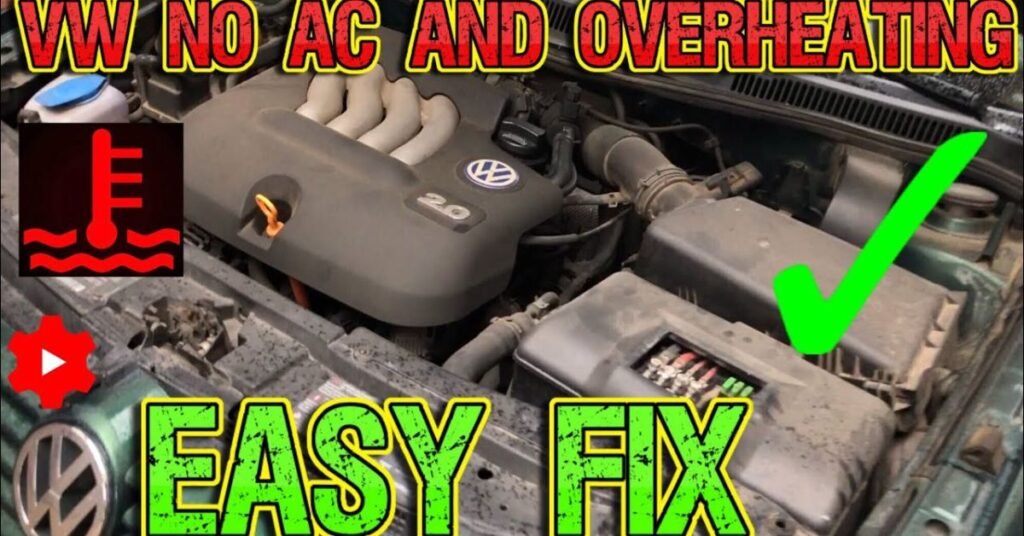
Coolant mainly affects the heating system in a car, not the AC system. It helps transfer heat from the engine to the heater core, which warms the air inside the cabin. If the coolant is low or bad, the heater will not work properly. This is why you may feel cold air instead of warm air.
The AC system works differently. It uses refrigerant, not coolant, to cool the air. So coolant does not directly control AC cooling. However, if the engine overheats due to coolant issues, it can indirectly affect overall car performance, including the AC system.
How to Fix Heating Problems Caused by Coolant
To fix heating problems caused by coolant, first check the coolant level in the reservoir. If it is low, refill it with the correct type of coolant. Make sure the engine is cool before opening the cap. Also check for any visible leaks under the car or around the engine area.
If the coolant looks dirty or old, a coolant flush may be needed. This helps remove dirt and restore proper flow. In some cases, trapped air in the system also needs to be removed. If the problem continues, it is best to visit a mechanic for proper inspection and repair.
Checking and Refilling Coolant Safely
- Always wait until the engine is completely cool
- Open the coolant cap slowly and carefully
- Check coolant level in the reservoir tank
- Make sure level is between MIN and MAX marks
- Use the correct type of coolant for your car
- Pour coolant slowly to avoid spills
- Do not overfill the reservoir
- Close the cap tightly after refilling
- Start the engine and check for proper operation
- Look for any leaks or warning lights afterward
When to Flush or Replace Coolant
Coolant does not last forever. Over time, it becomes dirty and loses its ability to protect the engine. As a result, the cooling system becomes less effective. You may notice poor heating inside the car or rising engine temperature. These are signs that coolant may need to be replaced.
A coolant flush is needed when the fluid becomes rusty, dirty, or contaminated. Most cars need a flush after a certain mileage or time period. It also helps remove buildup and air pockets in the system. Regular replacement keeps the engine safe and the heater working properly.
Conclusion
Coolant plays an important role in your car’s heating system. It helps move heat from the engine to the heater core, which warms the air inside the cabin. When coolant is at the right level and in good condition, your heater works properly and your engine stays safe. If it is low or bad, both heat and engine performance can suffer.
In simple terms, yes coolant does affect heat in a car. Ignoring coolant problems can lead to weak heating, engine overheating, and costly repairs. Regular checks, timely refilling, and proper maintenance keep your car running smoothly in all weather conditions.
FAQs
1. Does coolant affect heat in a car?
Yes, coolant directly affects heat in a car. It carries heat from the engine to the heater core, which produces warm air for the cabin. If coolant is low or bad, the heater cannot work properly and may blow cold air instead.
2. Can low coolant cause no heat inside the car?
Yes, low coolant is one of the main reasons for no heat. When there is not enough coolant, the heater core does not get proper hot fluid. This results in weak or no warm air inside the cabin, especially in cold weather.
3. What happens if coolant is old or dirty?
Old or dirty coolant loses its ability to transfer heat effectively. It can also block the heater core and reduce heating performance. Over time, it may cause engine overheating and damage cooling system parts.
4. Does coolant affect air conditioning in a car?
Coolant does not directly control the AC system. AC uses refrigerant to cool the air, not coolant. However, if the engine overheats due to coolant issues, it can indirectly affect overall car performance, including AC efficiency.
5. How often should coolant be checked or replaced?
Coolant should be checked regularly, at least once a month or before long trips. Most cars need a coolant flush every 2 to 5 years, depending on the manufacturer. Regular maintenance helps prevent heating and overheating problems.
