

Introduction:
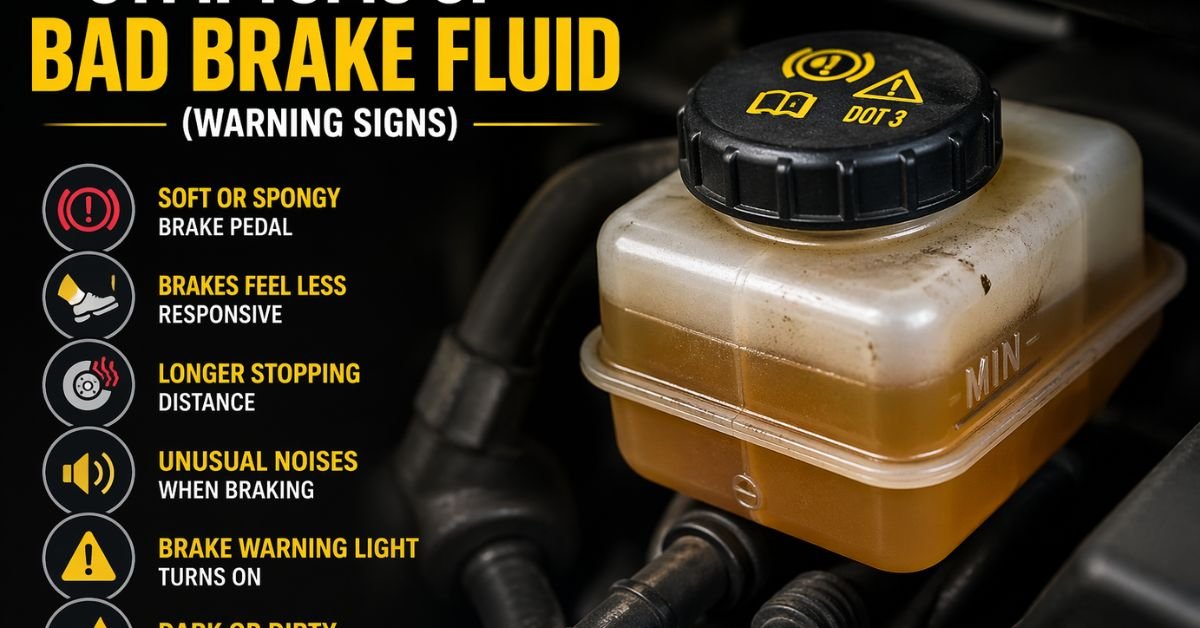
Brake fluid is a special liquid that helps your car stop safely. It transfers force from your foot on the brake pedal to the brake system. This makes the wheels slow down or stop. Clean brake fluid is very important for smooth and safe braking.
But what if the brake fluid goes bad? Many drivers ignore small signs until it becomes dangerous. Bad brake fluid can reduce braking power and increase stopping distance. In some cases, it can even lead to brake failure.
In this guide, you will learn the most common symptoms of bad brake fluid. You will also understand why these warning signs matter. This will help you take action early and keep your car safe on the road.
What Are the Symptoms of Bad Brake Fluid?
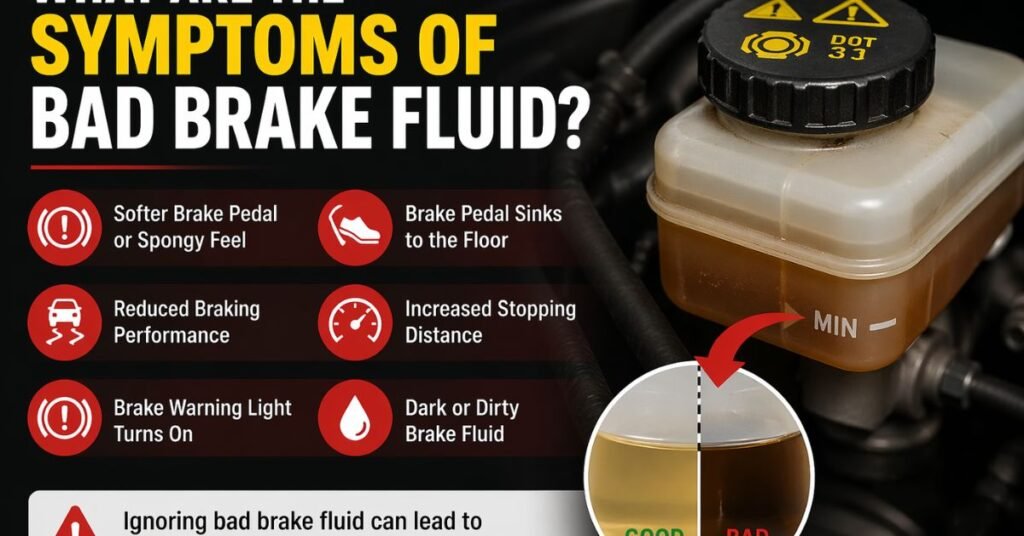
Bad brake fluid shows clear warning signs in your car. You may feel a soft or spongy brake pedal when you press it. The car can take longer to stop than usual. Sometimes, the brake warning light or ABS light turns on. The fluid may also look dark or dirty instead of clear.
These symptoms mean your brake fluid is old or contaminated. Moisture and dirt reduce its performance over time. This can make braking weak and unsafe. If you notice any of these signs, you should check and replace the brake fluid quickly.
Why Brake Fluid Condition Matters for Safety
Brake fluid plays a key role in keeping your car safe. It helps transfer pressure from the brake pedal to the brakes. This allows the car to slow down or stop smoothly. Clean brake fluid ensures quick and strong braking every time you drive.
When brake fluid becomes dirty or old, it loses its effectiveness. Moisture and air can enter the system and reduce braking power. This can cause delayed stopping or a soft brake pedal. In serious cases, it can lead to brake failure and increase the risk of accidents.
How Bad Brake Fluid Affects Braking Performance
Bad brake fluid can make your brakes feel weak and slow. It cannot transfer pressure properly when you press the pedal. This means your car may take longer to stop. You may also feel less control while braking, especially at high speeds.
Old or contaminated fluid can also cause air and moisture to build up in the system. This reduces braking efficiency and can damage brake parts over time. If ignored, it can lead to serious safety issues.
Common effects include:
- Soft or spongy brake pedal
- Increased stopping distance
- Delayed brake response
- Reduced braking power
- Risk of brake failure
10 Common Symptoms of Bad Brake Fluid You Shouldn’t Ignore
Bad brake fluid can cause many warning signs in your car. You may notice a soft or spongy brake pedal when you press it. The car can take longer to stop than usual. Sometimes, the brake warning light or ABS light turns on. The fluid may also look dark, dirty, or contaminated.
Other symptoms include strange smells after braking and unusual brake behavior. You might hear noises or feel less control while driving. These signs show that the brake fluid is no longer working properly. Ignoring them can lead to serious brake problems and safety risks.
Soft or Spongy Brake Pedal
A soft or spongy brake pedal is one of the most common signs of bad brake fluid. When you press the pedal, it may feel weak or sink too easily. This happens because air or moisture is inside the brake system. It reduces proper pressure and makes braking less effective.
Increased Stopping Distance
When brake fluid is bad, your car takes longer to stop. Even if you press the brake hard, the response is slow. This can be dangerous in sudden braking situations. It shows the braking system is not working at full strength.
Brake Warning Light or ABS Light
If the brake warning light or ABS light turns on, it can signal brake fluid problems. The system detects low or poor-quality fluid. This is an early alert that should not be ignored. It means your braking system needs immediate attention.
Dark or Dirty Brake Fluid Color
Healthy brake fluid is usually clear or light yellow. If it turns dark or dirty, it is a sign of contamination. This happens when moisture and dirt build up over time. Dirty fluid reduces braking efficiency and needs replacement.
Burning Smell After Braking
A burning smell after braking can also indicate bad brake fluid. It often happens when the fluid overheats or breaks down. This smell is a warning that the braking system is under stress. If ignored, it can lead to brake damage and safety risks.
How to Identify Contaminated or Old Brake Fluid
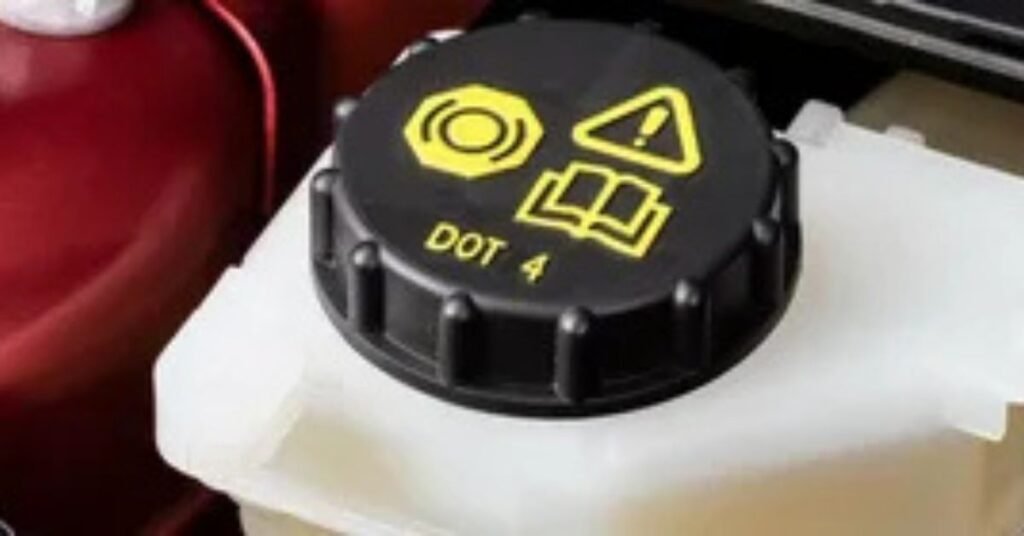
You can identify old or contaminated brake fluid by checking its color and condition. Healthy brake fluid is usually clear or light yellow. If it looks dark brown or black, it is no longer in good condition. This change happens when dirt and moisture mix with the fluid over time.
Another way to identify bad brake fluid is by noticing brake performance issues. You may feel a soft brake pedal or slower stopping response. Sometimes, the brake warning light may also turn on. These signs show that the fluid is no longer working properly and needs replacement.
Signs of Moisture Contamination
- Soft or spongy brake pedal
- Reduced braking power
- Dark or cloudy brake fluid
- Rust or corrosion in brake parts
- Brake fade during long or hard braking
- Longer stopping distance
- Unstable or uneven braking response
Brake Fluid Color Chart Explained
Brake fluid color is a simple way to check its condition. Fresh brake fluid is usually clear or light yellow. As it gets older, it starts changing color. This change happens due to heat, moisture, and dirt entering the system. Checking the color helps you know when it needs replacement.
A color chart makes it easy to understand brake fluid health. It shows what each color means and what action you should take. Darker fluid usually means more contamination and higher risk. If you ignore it, braking performance can become unsafe.
Brake Fluid Color Chart
| Brake Fluid Color | Condition | Meaning | What You Should Do |
| Clear | Excellent | Fresh fluid | No action needed |
| Light yellow | Good | Slightly used but safe | Monitor regularly |
| Light brown | Fair | Aging fluid | Plan for change soon |
| Dark brown | Poor | Contaminated fluid | Replace soon |
| Black | Dangerous | Very old/burnt fluid | Replace immediately |
When Brake Fluid Turns Dangerous
Brake fluid becomes dangerous when it is old, dirty, or full of moisture. At this stage, it cannot handle heat and pressure properly. This affects the braking system and reduces your car’s stopping power. Driving in this condition can put your safety at serious risk.
You should act immediately if you notice strong warning signs. Ignoring them can lead to brake failure or costly repairs.
Danger signs include:
- Very dark or black brake fluid
- Soft or sinking brake pedal
- Brake warning light stays on
- Burning smell after braking
- Poor or delayed braking response
Causes of Bad Brake Fluid in Cars
- Moisture entering the brake system over time, slowly reducing fluid strength and making braking less effective
- Old brake fluid that has not been replaced for years, losing its ability to handle heat and pressure
- Small or hidden brake system leaks that allow air and dirt to mix with the fluid
- Excessive heat from frequent hard braking, which breaks down the fluid’s chemical quality
- Contamination from dust, rust, or debris inside the brake lines or master cylinder
- Worn or damaged rubber seals that let moisture and air enter the braking system
- Poor maintenance habits where brake fluid checks and services are ignored for long periods
Moisture Absorption Over Time
- Brake fluid slowly absorbs water from air exposure
- Lower boiling point reduces braking efficiency
- Internal rust formation in brake lines and parts
- Soft or spongy brake pedal feeling
- Increased risk of brake fade during driving
Brake System Leaks
- Gradual loss of brake fluid level
- Air entering brake lines reduces pressure
- Weak or inconsistent braking response
- Visible fluid spots under the vehicle
- Brake warning light activation
Overheating and Brake Wear
- Frequent hard braking increases system heat
- Brake fluid breaks down under high temperature
- Burning smell during or after braking
- Darkened or burnt-looking brake fluid
- Faster wear of brake pads and components
Is It Safe to Drive With Bad Brake Fluid?
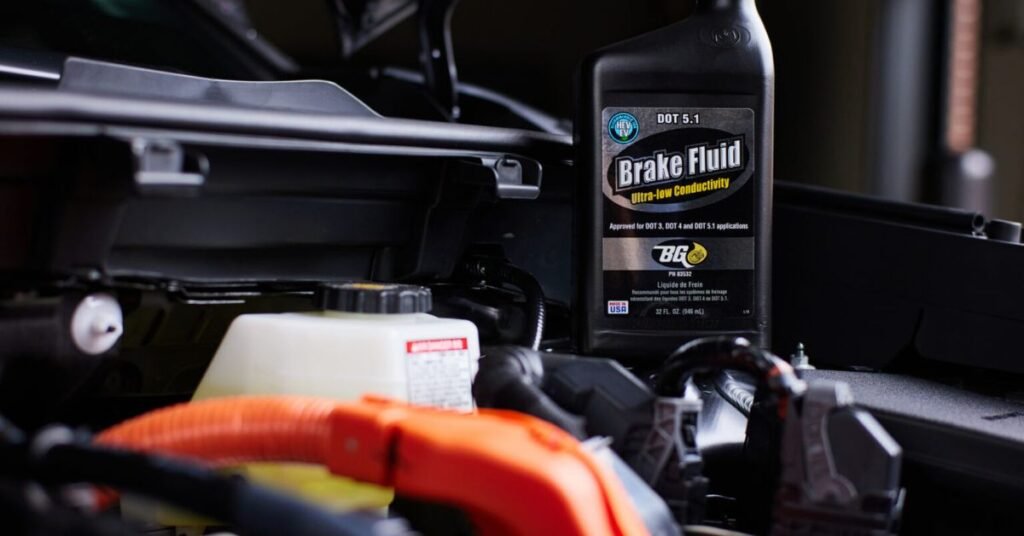
Driving with bad brake fluid is not safe. It reduces your car’s ability to stop quickly and smoothly. You may notice a soft brake pedal or delayed braking response. This can become dangerous, especially in sudden stop situations or heavy traffic.
Bad brake fluid affects the whole braking system. It can lead to weak brakes or even brake failure in serious cases. Moisture and dirt inside the fluid make the system less reliable. Because of this, it is always better to check and fix the problem before driving long distances.
Short-Term Risks
- Reduced braking power while driving
- Soft or spongy brake pedal feel
- Longer stopping distance in emergency braking
- Brake warning or ABS light turning on
- Higher risk of accidents in sudden stops
Long-Term Damage to Brake System
- Corrosion inside brake lines and components
- Damage to master cylinder and seals
- Complete brake fluid contamination over time
- Expensive brake system repairs or replacement
- Possible total brake failure if ignored for long period
How to Fix Bad Brake Fluid
- Check the brake fluid level and condition in the reservoir
- Look for dark, dirty, or contaminated fluid
- Inspect the brake system for any leaks or damage
- Replace old fluid with the correct type (DOT 3, DOT 4, etc.)
- Bleed the brake system to remove air bubbles
- Test brakes after service to ensure proper function
When to Do a Brake Fluid Flush
A brake fluid flush is needed when the fluid becomes old or contaminated. Over time, brake fluid absorbs moisture and loses its strength. This reduces braking performance and can make your brakes feel weak or slow. Flushing removes the old fluid and replaces it with fresh fluid.
You should also do a flush if you notice warning signs. These include a dark fluid color, soft brake pedal, or poor braking response. Many experts recommend flushing brake fluid every 2 years or as per your car manual. Regular flushing helps keep your braking system safe and reliable.
DIY vs Professional Brake Service
Some people try to fix brake fluid problems at home using DIY methods. This can save money, but it also needs proper tools and knowledge. If done incorrectly, it can affect brake safety. DIY is only suitable for simple checks, not complex brake system repairs.
Professional brake service is done by trained mechanics. They have the right tools to flush, replace, and test brake fluid safely. This reduces the risk of mistakes and ensures proper braking performance. It is a safer option, especially if you are unsure about the process.
| Feature | DIY Brake Service | Professional Brake Service |
| Cost | Low | Higher |
| Safety | Risk of mistakes | Very safe |
| Tools needed | Basic tools | Advanced equipment |
| Skill required | High knowledge needed | Handled by experts |
| Time | Can take longer | Fast and efficient |
| Reliability | Depends on user | Highly reliable |
| Risk level | Higher risk | Very low risk |
Cost of Brake Fluid Replacement in the USA
Brake fluid replacement is not very expensive in the USA. Most drivers pay around $80 to $180 for a standard brake fluid flush. The price depends on the car type, labor charges, and location. Luxury cars or complex brake systems can cost more than normal vehicles.
Dealerships usually charge higher than local workshops. Regular maintenance helps avoid bigger repair costs in the future. Changing brake fluid on time keeps your braking system safe and reliable.
Brake Fluid Replacement Cost Table
| Service Type | Average Cost (USA) | Notes |
| DIY Fluid Only | $10 – $25 | Only fluid cost |
| Local Mechanic | $80 – $130 | Most affordable option |
| Standard Shop Service | $100 – $180 | Most common price range |
| Dealership Service | $150 – $300+ | Higher labor charges |
| Luxury Vehicles | $200 – $400+ | Complex brake systems |
Brake fluid is cheap, but labor makes the cost higher. Even then, it is still a small price compared to brake repair or accident risk.
How Often Should You Change Brake Fluid?
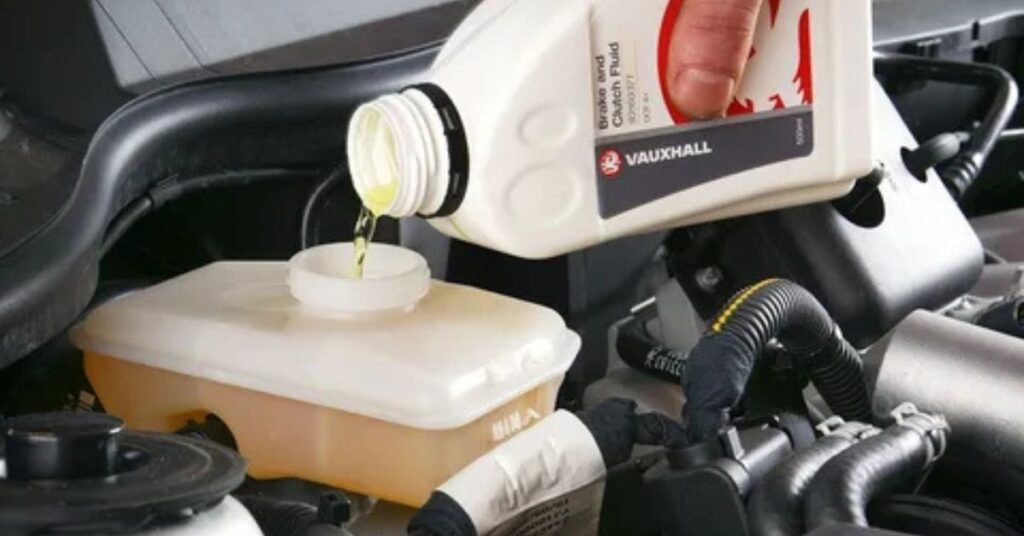
Keep your braking system safe by changing your brake fluid regularly. Most car experts recommend changing it every 2 years or around 30,000 miles. Over time, brake fluid absorbs moisture and loses its strength. This can reduce braking performance and make driving unsafe.
However, the exact time can vary depending on your car and driving habits. Always check your vehicle’s manual for the correct schedule. If you notice dark fluid, soft brakes, or warning lights, you should change it immediately. Regular replacement helps maintain strong and reliable braking.
Recommended Maintenance Schedule
- Brake fluid should be changed every 2 years or 30,000 miles
- Follow your vehicle manufacturer’s service manual
- Inspect brake fluid level every 1,2 months
- Check fluid color during regular maintenance
- Service brakes during routine oil changes
Signs You Need Immediate Replacement
- Brake fluid looks dark brown or black
- Soft or spongy brake pedal feeling
- The brake warning light or ABS light is on
- Poor or delayed braking response
- Burning smell after heavy braking
- Low or dropping brake fluid level
Tips to Prevent Brake Fluid Problems
- Check brake fluid level regularly
- Use only the correct type of brake fluid (DOT 3, DOT 4, etc.)
- Keep the brake reservoir tightly closed
- Make sure the system is not exposed to dirt or moisture
- Inspect brakes during routine maintenance
- Replace brake fluid on time as recommended
Regular Inspection Checklist
- Check brake fluid level in reservoir regularly
- Inspect brake fluid color (clear or light yellow is good)
- Look for any leaks under the car
- Test brake pedal feel (should be firm, not soft)
- Watch for brake or ABS warning light
- Check brake pads and rotors condition
Best Practices for Brake System Care
- Use only recommended brake fluid type for your car
- Replace brake fluid every 2 years or as needed
- Keep brake system clean and sealed properly
- Avoid hard braking unless necessary
- Get regular brake servicing from a professional
- Fix small issues before they become major problems
Conclusion
Bad brake fluid is a serious issue that should never be ignored. It can affect your car’s braking performance and put your safety at risk. Small signs like a soft brake pedal, dark fluid, or warning lights can be early warnings. If you notice these symptoms, it means your brake system needs attention right away. Taking action early can help you avoid bigger and more expensive problems later.
In the end, regular maintenance is the key to safe driving. Checking and changing brake fluid on time keeps your brakes strong and reliable. It also helps protect important brake parts from damage and corrosion. Always follow your car’s maintenance schedule and get professional help when needed. A well-maintained brake system ensures safer driving for you and everyone on the road.
FAQs
1. What are the symptoms of bad brake fluid?
Bad brake fluid shows signs like a soft brake pedal, longer stopping distance, and warning lights on the dashboard. You may also notice dark or dirty fluid in the reservoir. These signs mean the fluid is contaminated or old. It should be checked and replaced quickly for safety.
2. Can bad brake fluid cause brake failure?
Yes, bad brake fluid can lead to brake failure if ignored for a long time. Moisture and dirt reduce its ability to transfer pressure properly. This makes braking weak and unreliable. In severe cases, it can completely reduce braking power.
3.When should brake fluid be changed?
Brake fluid should usually be changed every 2 years or around 30,000 miles. Over time, it absorbs moisture and loses effectiveness. This affects braking performance and safety. Always follow your car manufacturer’s recommendation.
4. What color is bad brake fluid?
Bad brake fluid is usually dark brown or black instead of clear or light yellow. This color change happens due to dirt, heat, and moisture. It means the fluid is contaminated and no longer working properly. It should be replaced immediately.
5. Is it safe to drive with bad brake fluid?
Driving with bad brake fluid is not safe because it reduces braking efficiency. You may experience slow response or weak braking power. This increases the risk of accidents, especially in emergencies. It is always better to fix the issue before driving.
