


Introduction:
Power assisted steering problems happen when your car’s steering system does not work smoothly. This system helps you turn the wheel easily by using hydraulic fluid or electric power. When something goes wrong, the steering can feel heavy, noisy, or unresponsive.
These problems can make driving stressful and even unsafe, especially at low speeds or while parking. Many drivers ignore early signs like strange noises or stiff steering, which can lead to bigger and more expensive repairs later.
In this guide, you will learn the common causes, warning signs, and simple fixes for power assisted steering problems. This will help you understand the issue early and keep your car safe and easy to control.
What Is Power Assisted Steering and How Does It Work?
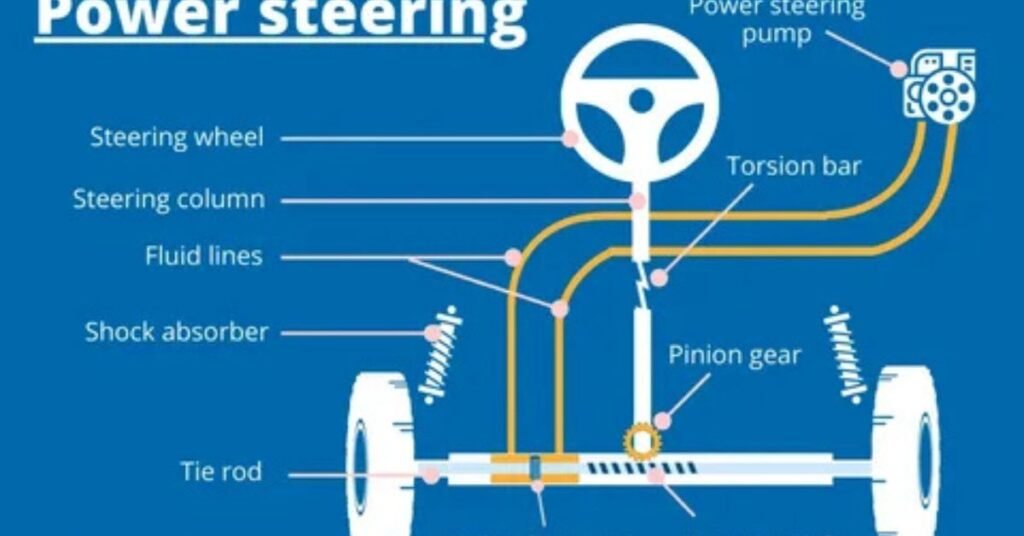
Power assisted steering is a system that helps you turn your car’s steering wheel with less effort. It uses extra power to make steering smooth and easy, especially at low speeds. Without it, the wheel would feel heavy and harder to control.
This system works by using either hydraulic fluid or an electric motor. In hydraulic systems, fluid pressure helps move the steering parts. In electric systems, a motor gives extra force when you turn the wheel. Both types make driving more comfortable and reduce strain on the driver.
Hydraulic vs Electric Power Steering Systems
Hydraulic power steering uses fluid pressure to help you turn the wheel. A pump pushes the fluid through hoses to support the steering movement. It feels strong and reliable but needs regular fluid checks and maintenance.
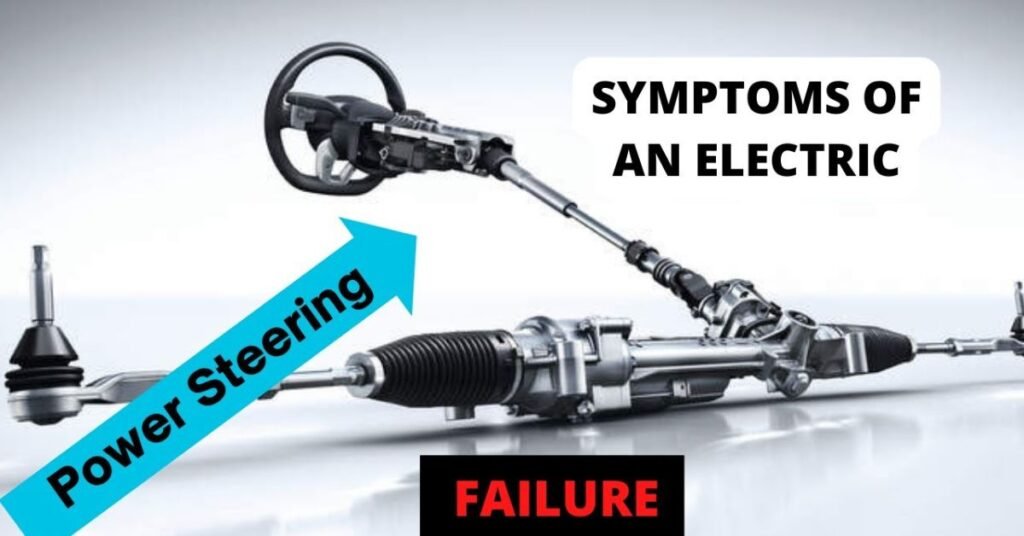
Electric power steering uses a motor instead of fluid. Sensors detect your steering input and the motor adds extra force. It is more efficient and needs less maintenance. It also improves fuel economy because it does not rely on an enginedriven pump.
Key Components of the Steering System
- Steering wheel (used to control direction)
- Steering column (connects wheel to system)
- Steering rack (moves wheels left and right)
- Power steering pump (creates pressure in hydraulic systems)
- Electric motor (assists steering in EPS systems)
- Fluid reservoir (stores power steering fluid)
- Hoses and valves (carry and control fluid flow)
- Drive belt (runs the pump in hydraulic systems)
Common Power Assisted Steering Problems You Should Know
Power assisted steering problems can make your car hard to control. One common issue is a stiff steering wheel that needs more effort to turn. You may also hear whining or squealing noises when you turn the wheel. These sounds often mean there is a problem with the pump or low fluid.
Another common problem is power steering fluid leaks. Leaks can reduce pressure and make steering weak or rough. Some drivers also feel vibrations in the steering wheel while driving. These signs should not be ignored because they can lead to bigger and more costly repairs.
Stiff or Hard Steering Wheel
A stiff steering wheel means it is hard to turn your car. This usually happens when there is low power steering fluid or a problem in the pump. It can make driving difficult, especially when parking or turning at low speeds.
If you ignore this issue, it can get worse over time. The steering may become completely unresponsive. It is important to check the fluid level and get the system inspected early.
Whining or Squealing Noise
Whining or squealing noises often come from the steering system when something is wrong. This sound usually appears when you turn the wheel. It can be caused by low fluid, air in the system, or a worn-out pump.
These noises are a warning sign that should not be ignored. If fixed early, you can avoid major damage. A quick inspection can help find the exact cause.
Power Steering Fluid Leaks
Power steering fluid leaks happen when hoses or seals get damaged. You may notice fluid under your car or a drop in steering performance. Low fluid levels make steering harder and less smooth.
Leaks can lead to serious steering failure if not repaired. It is important to fix the damaged parts and refill the fluid. Regular checks can help prevent this problem.
Steering Wheel Vibration
Steering wheel vibration happens when there is an issue in the steering system. It may feel like shaking while driving. This can be caused by worn parts, low fluid, or alignment problems.
The vibration can make driving uncomfortable and unsafe. Getting the system checked can solve the issue early. Fixing it quickly helps maintain smooth control of the car.
What Causes Power Assisted Steering Problems?
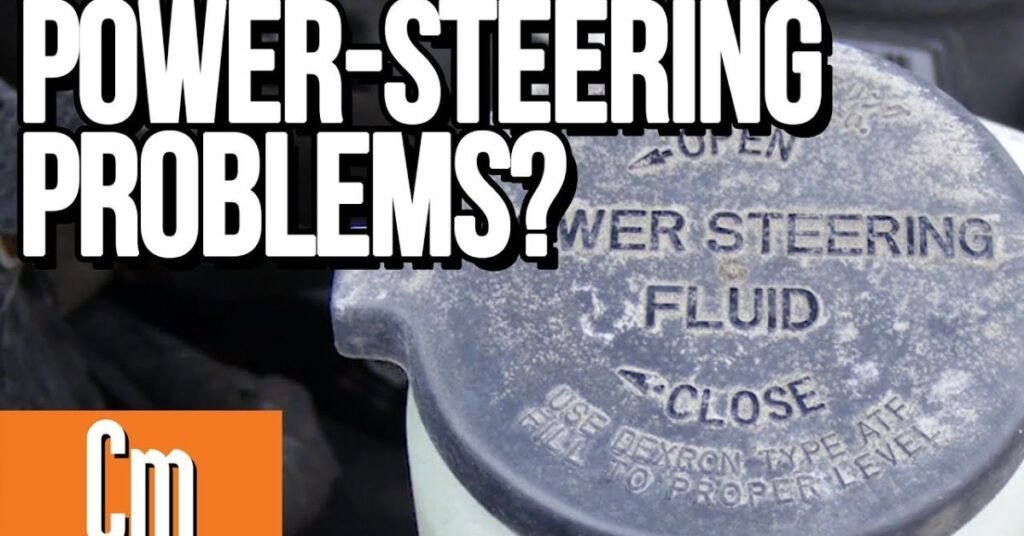
Power assisted steering problems usually happen when something goes wrong in the steering system. One common cause is low or dirty power steering fluid. Without enough clean fluid, the system cannot create proper pressure, and the steering becomes hard or noisy.
Another cause is worn or damaged parts in the system. A bad steering pump, leaking hoses, or a faulty electric motor can all lead to steering failure. Sometimes electrical issues in modern cars also stop the system from working properly. Regular maintenance helps prevent these problems.
Low or Contaminated Fluid
Low or dirty power steering fluid is one of the main causes of steering problems. When the fluid level drops, the system cannot create enough pressure. This makes the steering wheel feel heavy and difficult to turn.
Dirty fluid can also block the system and reduce performance. Over time, it can damage other parts of the steering system. Regular checking and fluid replacement can prevent this issue.
Faulty Power Steering Pump
A faulty power steering pump can stop the system from working properly. The pump is responsible for pushing fluid through the system. If it wears out or gets damaged, steering becomes stiff and noisy.
You may also hear whining sounds when turning the wheel. It is possible for the steering to completely fail in severe cases. Replacing the pump is usually needed to fix this problem.
Damaged Steering Rack
A damaged steering rack affects how your car turns. This part helps move the wheels left and right. If it gets worn or leaks, steering becomes loose or uneven.
Drivers may feel vibration or poor control while driving. This issue often needs mechanical repair or replacement. Ignoring it can make driving unsafe.
Electrical Issues in EPS Systems
| Electrical Problem | Effect on Steering | Common Sign |
| Faulty sensor | Wrong steering support | Heavy or light steering at random |
| Wiring issue | No power assist | Steering becomes very stiff |
| ECU failure | System shutdown | Warning light on dashboard |
| Motor failure | No steering help | Complete loss of assist |
Electrical problems in EPS (Electric Power Steering) systems can stop the assist function. These issues are common in modern cars. A proper diagnostic scan is needed to find the exact fault.
Warning Signs of Power Steering Failure
Power steering failure usually starts with small warning signs. The steering wheel may feel heavier than normal or harder to turn. You might also notice strange noises when turning the wheel. These early signs should not be ignored because they can quickly get worse.
If the problem increases, you may lose proper control of the steering system. The car may feel unsafe, especially at low speeds or during parking. Catching these signs early can help you avoid expensive repairs and driving risks.
Common warning signs include:
- Heavy or stiff steering wheel
- Whining or squealing noise while turning
- Steering wheel vibration
- Fluid leaks under the car
- Steering warning light on dashboard
Dashboard Warning Light
The dashboard warning light turns on when there is a problem in the power steering system. It is an early alert that something is not working properly. This light should never be ignored because it can signal serious steering issues.
- Power steering system fault detected
- Low fluid level warning
- Electrical issue in EPS system
Difficulty Turning at Low Speeds
When it becomes hard to turn the steering wheel at low speeds, it means the system is struggling. This often happens in parking or tight turns. It is a clear sign that the steering assist is weak or failing.
- Heavy steering while parking
- Hard turning in tight spaces
- Loss of smooth steering assist
Burning Smell or Fluid Discoloration
A burning smell or dark fluid means the system is overheating or worn out. Power steering fluid should normally be clean and light in color. If it changes, it shows contamination or damage inside the system.
- Burnt smell from engine area
- Dark or dirty steering fluid
- Overheating of pump or system
How to Diagnose Power Assisted Steering Issues
- Check the power steering fluid level carefully when the engine is cool, and make sure it is between the minimum and maximum marks on the reservoir
- Inspect the fluid color and condition to see if it is clean, light, and smooth, or dark, dirty, and contaminated
- Look under the car and around the engine bay for any signs of fluid leaks, wet spots, or dripping hoses
- Turn the steering wheel slowly left and right to feel if it is smooth or getting stiff, uneven, or heavy at certain points
- Listen closely for unusual sounds like whining, squealing, or grinding when the steering wheel is turned
- Check if the steering becomes harder at low speeds such as parking or tight cornering situations
- Observe if the steering wheel vibrates or shakes while driving on normal roads or highways
- Pay attention to the dashboard warning light related to power steering or EPS system
- Use a diagnostic scanner to check for error codes in electric power steering (EPS) systems
- Inspect belts connected to the power steering pump to ensure they are not loose, cracked, or broken
- Check steering rack and hoses for visible damage, corrosion, or wear signs
- Test steering response after starting the engine to see if assist improves or remains weak
- Compare steering performance when the car is cold versus when it is fully warmed up
- Notice if steering feels inconsistent, sometimes normal and sometimes very heavy during driving
Checking Fluid Level and Condition
- Open the power steering fluid reservoir when the engine is cool
- Check if the fluid level is between MIN and MAX marks
- Look at the fluid color (it should be light and clean)
- Dark, dirty, or thick fluid means contamination
- Low fluid level can cause hard steering and noise
- Always use the correct recommended fluid type for your car
Inspecting for Leaks
- Check under the car for wet spots or fluid puddles
- Check hoses for cracks, cuts, or loose connections
- Look around the steering pump for oil or fluid buildup
- Check steering rack seals for leakage signs
- Leaks can slowly reduce steering performance
- Fix leaks early to avoid pump or system damage
Listening for Unusual Noises
- Turn the steering wheel and listen carefully
- Whining sound usually means low fluid or pump issue
- Squealing noise can indicate belt or pump wear
- Grinding sound may point to serious internal damage
- Noises often get louder during full steering turns
- Always investigate new or unusual steering sounds quickly
How to Fix Power Assisted Steering Problems
- Refill power steering fluid if the level is low
- Use the correct type of fluid recommended by the car maker
- Flush old or dirty fluid and replace it with fresh fluid
- Tighten or replace loose and damaged hoses
- Make sure small leaks are fixed before they become serious
- Replace worn-out drive belts if they are cracked or slipping
Topping Up or Flushing Fluid
- Check the fluid level in the reservoir and refill if it is low
- Always use the correct power steering fluid for your vehicle
- Top up slowly to avoid overfilling the system
- If fluid is dirty or dark, perform a full system flush
- Flushing removes old oil, dirt, and metal particles
- Fresh fluid helps improve steering smoothness and performance
Replacing the Pump or Belt
- Replace the power steering pump if it is noisy or not building pressure
- Install a new pump if steering feels heavy even after fluid change
- Check the drive belt for cracks, wear, or slipping signs
- Replace loose or broken belts to restore proper pump function
- Tighten belt tension if it feels too loose
- Regular inspection helps prevent sudden steering failure
Repairing Electrical Components
- Use a diagnostic scanner to find EPS system errors
- Replace faulty steering sensors that send wrong signals
- Repair damaged wiring or loose electrical connections
- Check the electric motor for proper working condition
- Reset or reprogram ECU if needed after repairs
- Fix electrical issues early to avoid complete steering loss
Can You Drive With Power Steering Problems?
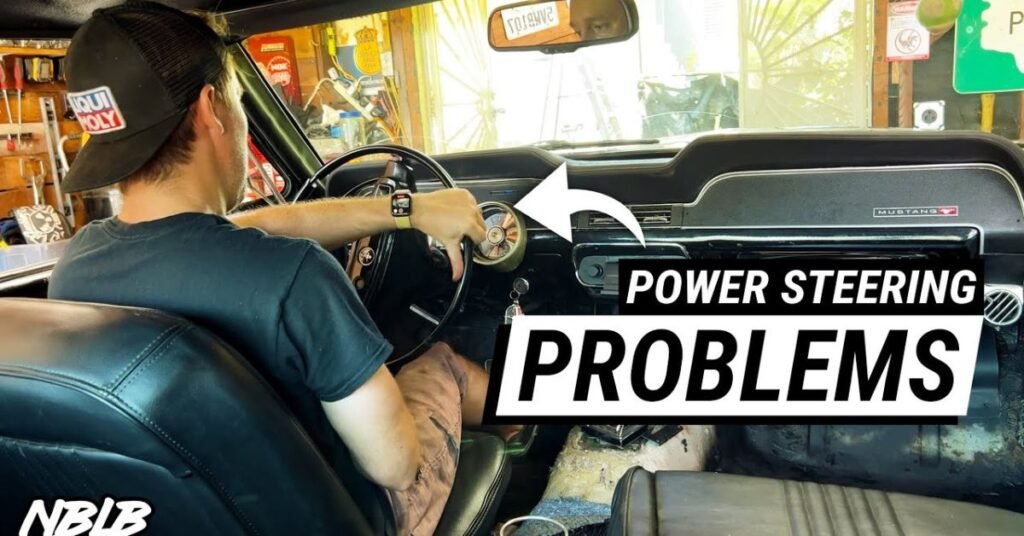
Driving with power steering problems is not recommended. The steering wheel may become hard to turn, especially at low speeds. This can make parking and tight turns very difficult and unsafe.
In some cases, the car may still move, but control becomes weak. You may also hear noises or feel vibrations while driving. It is better to avoid long drives until the problem is fixed.
Cost to Repair Power Assisted Steering Problems in the USA
Power assisted steering repair costs in the USA depend on the exact problem. Small fixes like fluid change are cheap, but major parts like pumps or steering rack can be expensive. Electric systems also cost more because of sensors and modules.
In most cases, the total cost can range from a few dollars for maintenance to over a thousand dollars for full repairs. It is always better to fix early symptoms to avoid high repair bills later.
Typical Power Steering Repair Costs (USA)
| Repair Type | What It Includes | Average Cost (USD) |
| Fluid top-up | Adding steering fluid | $20 – $50 |
| Fluid flush | Cleaning old fluid | $70 – $150 |
| Hose replacement | Fixing leaks | $150 – $450 |
| Power steering pump | Pump repair/replacement | $400 – $900 |
| Steering rack repair | Major mechanical fix | $800 – $1,800 |
| Electric steering (EPS) repair | Motor or module issue | $700 – $2,000+ |
| Full system overhaul | Multiple parts replacement | $1,500 – $2,800 |
Power steering pump replacement alone usually falls around $400 to $900 depending on the car type and labor cost. Steering rack and EPS repairs are the most expensive because they involve major components.
Conclusion
Power assisted steering problems can make driving difficult and unsafe if they are ignored. Small issues like low fluid, strange noises, or slight stiffness in the steering wheel can quickly turn into bigger mechanical failures. That is why it is important to notice early warning signs and take action on time.
Most steering problems can be prevented with regular maintenance and simple checks. Keeping the fluid clean, fixing leaks early, and inspecting parts like the pump and rack can save money and trouble. If the steering feels unusual, it is always better to get it checked by a mechanic before the problem gets worse.
FAQs
1. What are the common signs of power steering problems?
Common signs include a stiff steering wheel, whining or squealing noises, and fluid leaks. You may also feel vibrations or notice the steering becoming harder at low speeds.
2. Can I drive with a power steering problem?
You can drive for a short time, but it is not safe. The steering may become heavy or unresponsive, increasing the risk of accidents, especially in traffic or tight turns.
3. What causes power assisted steering failure?
The main causes are low or dirty fluid, a faulty pump, damaged steering rack, or electrical issues in EPS systems. These problems reduce steering support and make driving difficult.
4. How often should power steering fluid be checked?
It is best to check the fluid every month or during regular oil changes. Clean and proper fluid helps keep the steering smooth and prevents damage to the system.
5. How much does it cost to fix power steering problems?
Repair costs vary from $20 for fluid top-up to over $1,500 for major repairs like steering rack or EPS replacement. Early repair can help you avoid expensive damage later.
