

Introduction:
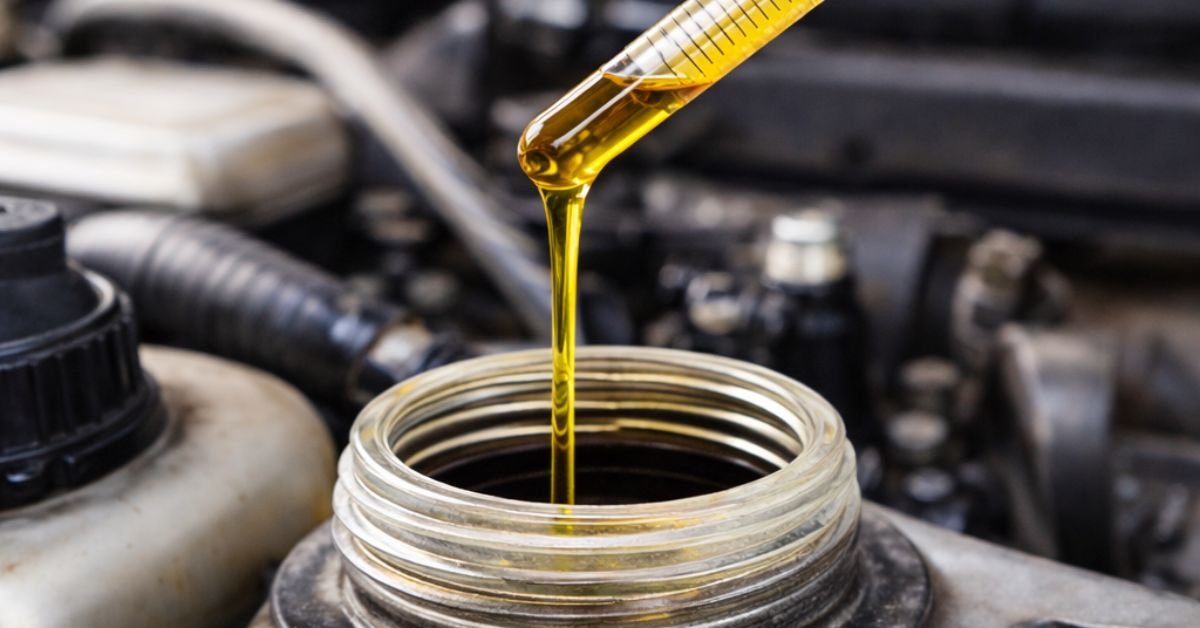
Transmission fluid is a liquid that helps your car’s gearbox work smoothly. It lubricates moving parts, reduces heat, and allows easy gear shifting. Normally, transmission fluid is red or pink. If you notice a yellow color, it is not typical and may indicate a change in the fluid condition.
Seeing yellow transmission fluid can make drivers worried.Does it indicate a problem or is it normal? Many people ignore it at first, but fluid color is an important warning signal. It can tell you what is happening inside your transmission before bigger damage occurs.
In this guide, you will learn what yellow transmission fluid means, what causes it, and when you should take action. Understanding this early can help you avoid costly repairs and keep your car running smoothly.
Transmission Fluid Colors Yellow Explained
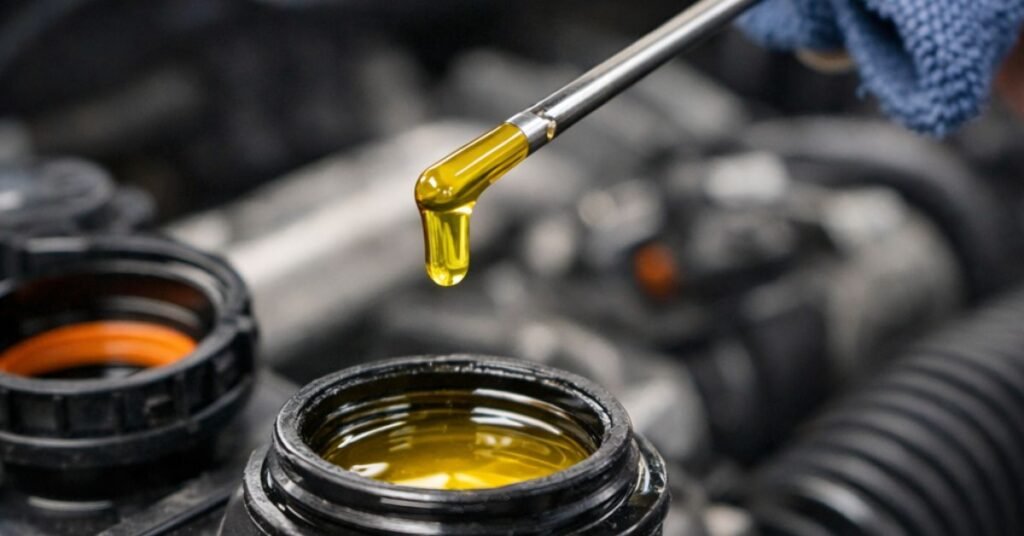
Transmission fluid is usually red or pink when it is fresh and healthy. If it turns yellow, it means something has changed in the fluid. This color can appear due to heat, aging, or mixing with other fluids. It is not always a serious issue, but it should not be ignored.
Yellow transmission fluid can be an early warning sign of a problem. It may show contamination or the use of the wrong fluid type. In some cases, it happens when the fluid starts breaking down over time. Checking it early can help you fix small issues before they turn into costly repairs.
Is Yellow Transmission Fluid Normal or a Warning Sign?
Yellow transmission fluid is not considered normal in most cars. Fresh fluid is usually red or pink, so a yellow color means something has changed. Sometimes it is just early aging, but in other cases, it can be a warning sign. It may point to contamination or the wrong type of fluid being used.
You should not ignore yellow fluid for too long. If there are no other symptoms, the issue might be small and easy to fix. But if you notice gear slipping, strange smells, or rough shifting, it could mean a bigger problem. Checking it early can save you from costly repairs later.
Why Transmission Fluid Turns Yellow Over Time
Transmission fluid can turn yellow as it gets older and loses its original properties. Heat inside the transmission slowly breaks down the fluid, causing a change in color. Over time, dirt and tiny metal particles can also mix with the fluid, making it look different.
Another common reason is contamination from other fluids like coolant or water. Using the wrong transmission fluid type can also affect its color. Regular maintenance and timely fluid changes can help prevent this issue and keep your transmission in good condition.
What Causes Transmission Fluids to Look Yellow?
Transmission fluid can turn yellow for several reasons. One common cause is heat and aging. Over time, the fluid breaks down due to high temperatures inside the transmission. This change affects its color and quality. Dust, dirt, and small metal particles can also mix into the fluid, making it look lighter or yellowish.
Another reason is contamination or using the wrong fluid type. If coolant or water leaks into the transmission system, it can change the fluid color. Sometimes, adding the wrong transmission fluid can also cause a yellow shade. These issues may seem small at first, but they can affect how smoothly your car shifts gears.
Mixing with Coolant or Other Fluids
- Coolant leak enters the transmission system
- Damaged radiator or cooler causes mixing
- Water contamination changes fluid color
- Fluid becomes thin and less effective
- Milky or yellowish appearance may appear
- Can lead to internal damage if ignored
Oxidation and Heat Damage
- High temperature breaks down fluid quality
- Continuous driving in heat speeds up oxidation
- Fluid loses its original red color
- Turns yellow or light brown over time
- Burnt smell may develop
- Reduces lubrication and performance
Wrong Transmission Fluid Type Used
- Using incorrect fluid changes color quickly
- Cheap or low-quality fluid affects performance
- Mixing different fluid types causes reactions
- Fluid may not handle heat properly
- Can lead to gear shifting problems
- May damage transmission parts over time
Yellow vs Other Transmission Fluid Colors
Transmission fluid color helps you understand the condition of your car’s transmission. Yellow fluid is not common and usually means the fluid has changed or is contaminated. In comparison, other colors like red, brown, or black give clearer signs about whether the fluid is healthy or damaged. Knowing these differences can help you take action at the right time.
Each transmission fluid color tells a different story about your vehicle. Fresh fluid is red and works well, while darker colors often mean wear and tear. Yellow fluid sits in the middle, where it may or may not be serious depending on symptoms. That’s why comparing it with other colors makes it easier to understand the problem
| Fluid Color | Condition | Meaning | Severity Level | Common Causes | What You Should Do |
| Bright Red | Fresh / New | Healthy fluid, working perfectly | Low | Recently changed fluid | No action needed |
| Dark Red | Slightly Used | Still usable but aging | Low to Medium | Heat and normal wear | Monitor condition |
| Yellow | Unusual | Possible contamination or wrong fluid | Medium | Mixing fluids, early breakdown | Inspect and consider change |
| Light Pink / Milky | Contaminated | Water or coolant mixed in fluid | High | Cooler leak, moisture | Immediate check required |
| Brown | Old Fluid | Losing effectiveness | Medium | Oxidation, dirt buildup | Replace fluid soon |
| Dark Brown | Very Old | Poor performance | Medium to High | Long-term use, overheating | Change fluid urgently |
| Black | Burnt | Serious internal damage risk | High | Extreme heat, worn parts | Stop driving, visit mechanic |
| Clear (Water-like) | Not Transmission Fluid | Likely water or AC condensation | None | External source | No transmission issue |
Yellow vs Red Transmission Fluid
Red transmission fluid is usually fresh and in good condition. It means the fluid is healthy and doing its job properly. Yellow fluid, on the other hand, shows that something has changed. It may be aging, slightly contaminated, or starting to break down. Red fluid is normal, while yellow fluid needs attention.
Red fluid does not usually cause any issues if it stays clean and clear. But yellow fluid can be an early warning sign. It may not be a serious problem yet, but it should be checked. If ignored, it can turn into a bigger transmission issue over time.
Yellow vs Brown or Black Fluid
Brown or black transmission fluid is a clear sign of trouble. It usually means the fluid is very old or burnt. This condition can reduce lubrication and damage transmission parts. Yellow fluid is less severe than this, but it can still show early warning signs.
While brown or black fluid needs urgent replacement, yellow fluid is more of a middle stage. It shows the fluid is changing and may not work at full strength. If you notice yellow fluid, it is best to inspect it early before it turns darker and causes serious damage.
Symptoms That Come with Yellow Transmission Fluid
- Gear shifting becomes slow or delayed
- Car may hesitate when accelerating
- Transmission may feel rough or shaky
- Unusual whining or humming noise appears
- Burning smell may come from engine area
- Fluid level or color looks abnormal on dipstick
- Poor fuel efficiency over time
- Transmission overheating warning light may turn on
- Car may slip out of gear unexpectedly
- Overall driving feels less smooth than normal
Slipping Gears or Delayed Shifting
- Gear changes feel slow or unresponsive
- Car struggles to shift between gears
- RPM increases but speed does not match
- Vehicle may slip out of gear suddenly
- Driving feels rough or unstable
- Acceleration becomes weak or uneven
- Transmission takes longer to engage drive or reverse
Burning Smell or Overheating
- Strong burning smell from engine area
- Transmission fluid gets too hot
- Heat builds up during normal driving
- Fluid loses lubrication ability
- Car may overheat in traffic or long drives
- Warning light may appear on dashboard
- Risk of internal transmission damage increases over time
How to Check Transmission Fluid Color at Home
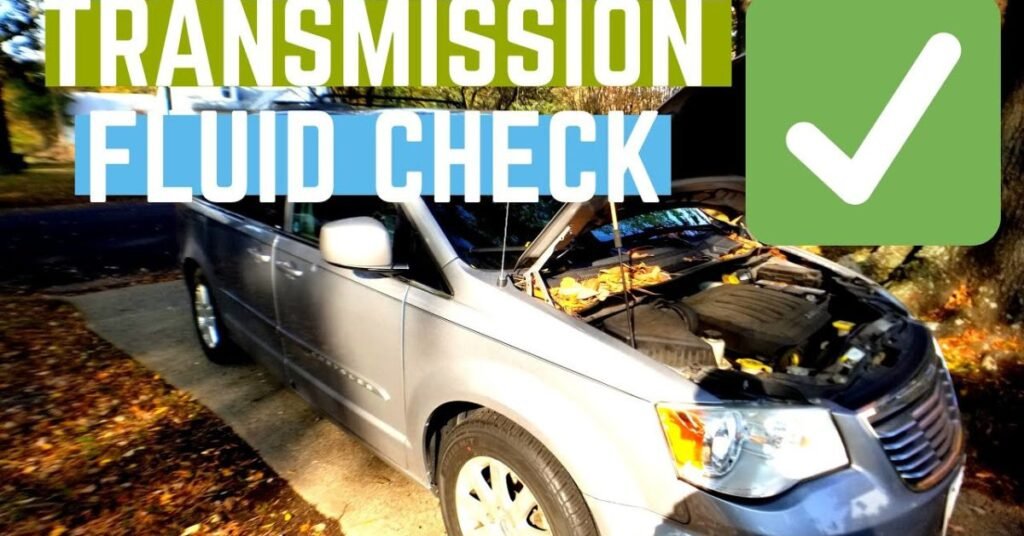
- Park your car on a flat surface
- Start the engine and let it warm up
- Keep the gear in park mode
- Open the hood carefully
- Locate the transmission dipstick
- Pull it out and wipe it clean first
- Insert it again and pull it out to check color
- Observe fluid color under good light
- Check if fluid looks red, yellow, brown, or black
- Smell the fluid for any burning odor
- Close everything properly after checking
Step-by-Step Inspection Guide
- Park your car on a flat and safe surface
- Turn on the engine and let it reach normal temperature
- Keep the gear selector in “Park” mode
- Open the car hood carefully
- Find the transmission dipstick (check manual if needed)
- Pull out the dipstick slowly
- Wipe it clean using a lint-free cloth
- Insert it back fully into the tube
- Check the fluid level and color again
- Observe if fluid is red, yellow, brown, or black
- Check for any burnt smell or dirt particles
- Close the dipstick and hood properly
When to Check (Hot vs Cold Engine)
It is better to check transmission fluid when the engine is warm. Warm fluid flows more freely and gives a more accurate reading. This helps you see the real condition of the fluid. A cold engine can sometimes show incorrect levels or misleading color.
Checking with a cold engine is not recommended for proper results. The fluid has not circulated properly, so the reading may be off. After driving for a few minutes, the fluid reaches normal operating temperature. This is the best time to check for accurate color and level.
Is It Safe to Drive with Yellow Transmission Fluid?
Driving with yellow transmission fluid is sometimes safe, but it depends on the condition. If the fluid is only slightly yellow and there are no symptoms, the car may still run normally. However, it is a warning sign that something is changing inside the transmission. You should not ignore it for a long time.
In some cases, yellow fluid can lead to bigger problems if it gets worse. It may affect gear shifting, performance, and engine health. Always check for other warning signs before continuing to drive.
When It’s Still Safe
- Fluid is light yellow in color
- No burning smell from engine area
- Gear shifting feels smooth and normal
- No warning lights on dashboard
- Car performance remains stable
- No unusual noise during driving
- Fluid level is within normal range
When You Should Stop Driving Immediately
- Fluid turns dark yellow or brown
- Strong burning smell appears
- Gear slipping or delayed shifting starts
- Transmission overheating warning shows
- Car shakes or jerks while driving
- Strange noises from transmission area
- Driving feels unsafe or unstable
How to Fix Yellow Transmission Fluid Issues
Fixing yellow transmission fluid depends on the main cause. If the fluid is slightly dirty or old, a simple fluid change may solve the issue. This removes the contaminated fluid and replaces it with fresh transmission fluid. In some cases, a full transmission flush is needed for better results.
It is also important to inspect the system for leaks or contamination. If coolant or water has mixed with the fluid, the damaged part must be repaired first. Ignoring the issue can lead to bigger transmission problems later
Transmission Fluid Flush vs Change
- Fluid change replaces only part of old fluid
- Fluid flush removes all old fluid completely
- Change is quicker and cheaper option
- Flush cleans deeper inside the system
- Change is good for regular maintenance
- Flush is better for heavy dirt or contamination
- Flush may improve shifting more than change
When to Visit a Mechanic
- Fluid stays yellow even after service
- Burning smell does not go away
- Gear shifting becomes rough or delayed
- Transmission warning light appears
- Strange noises come from gearbox
- Fluid keeps getting dirty quickly
- Car performance feels weak or unstable
Conclusion
Yellow transmission fluid is not something you should ignore. It usually means the fluid has changed due to heat, age, contamination, or the wrong type of fluid. In normal conditions, transmission fluid should stay red or pink. So when it turns yellow, it is an early warning that something inside the system is not fully healthy.
The good thing is that early detection can save you from major repair costs. If you notice yellow fluid, check for other symptoms like gear slipping, burning smell, or rough shifting. Sometimes a simple fluid change is enough, but in other cases, a mechanic may be needed. Keeping an eye on fluid color helps you protect your transmission and keep your car running smoothly for a long time.
FAQs
1. What does yellow transmission fluid mean?
Yellow transmission fluid usually shows that the fluid is either fresh, slightly worn, or has started to lose its original red color. In some cars, fluid can naturally look light yellow or golden when new. However, if the color looks pale, milky, or cloudy, it may be a sign that water or coolant has mixed with the fluid, which needs attention.
2. Is yellow transmission fluid bad for your car?
Yellow fluid is not always bad, but it depends on its condition. Clean and clear yellow fluid can still work fine in your transmission. But if the fluid looks dirty, burnt, or has a strange smell, it means the fluid is no longer protecting the transmission properly. In that case, driving without fixing it can cause damage over time.
3. Why does transmission fluid change to yellow color?
Transmission fluid can turn yellow due to different reasons. Heat and age slowly break down the fluid and change its color. Sometimes, mixing with coolant or water can also cause a yellow or milky look. Another reason can be using the wrong type of fluid, which does not have the usual red dye. All these factors can affect the fluid’s performance.
4. Can you drive with yellow transmission fluid safely?
You can drive for a short time if the yellow fluid is clean and the car feels normal. But if you notice problems like rough shifting, slipping gears, or delayed movement, it is not safe to continue driving. Ignoring these signs can lead to serious transmission damage, which is expensive to repair.
5. How do you fix the yellow transmission fluid issue?
The fix depends on the cause of the color change. If the fluid is just old, a simple drain and refill can solve the problem. If contamination is the issue, a full transmission flush is needed to remove all dirty fluid. In case of leaks or coolant mixing, the damaged parts must be repaired first, then fresh fluid should be added to keep the system working properly.
