

Introduction:
When your car is iced over, it means ice has formed on your windshield, windows, or even doors. This usually happens during freezing winter mornings. Ice can make it hard to see and drive safely.
Waking up to a frozen car can be stressful. You might be late for work or school. But don’t worry there are easy ways to deal with it. With the right tips, you can get your car ready quickly.
In this guide, we will share simple steps to remove ice safely. You’ll also learn some tricks to prevent your car from freezing in the first place. By following these tips, your mornings can be much easier.
Why Your Car Gets Iced Over
Your car gets iced over mainly because of freezing temperatures. When the air is cold and moist, water on your car’s surface turns into ice. Windshields, windows, mirrors, and even door locks are often affected. Cars parked outside overnight are most likely to freeze. Humidity, leftover rain, or melted snow that refreezes can make the problem worse. Cars in shaded areas or places with poor airflow can ice over faster. Understanding why your car freezes helps you take simple steps to prevent it in the future.
Understanding Frost vs. Ice on Your Windshield
- Frost is a thin, powdery layer of ice crystals.
- Ice is thicker and harder than frost.
- Frost usually forms on very cold, clear nights.
- Ice forms when water or melted snow freezes on your windshield.
- Frost can often be scraped off quickly with a brush.
- Ice may take more time and effort to remove.
- Choosing the right removal method depends on knowing the difference.
How Cold Weather Affects Car Windows and Locks
Cold weather can make car windows and locks stiff and hard to use. Moisture can freeze on the glass, making it hard to see. Door locks may freeze, making it difficult to open your car. Even rubber seals around doors can get brittle in freezing temperatures.
Here are some ways cold affects your car:
- Windows may fog up or freeze overnight.
- Ice can form on windshield wipers, making them less effective.
- Door locks can jam or freeze completely.
- Mirrors can get coated in frost or ice.
- Rubber seals may shrink or crack in extreme cold.
- Windshield washers may freeze, limiting visibility.
Understanding these effects helps you take precautions and keep your car safe during winter.
Step‑by‑Step Guide: How to Remove Ice From Your Car
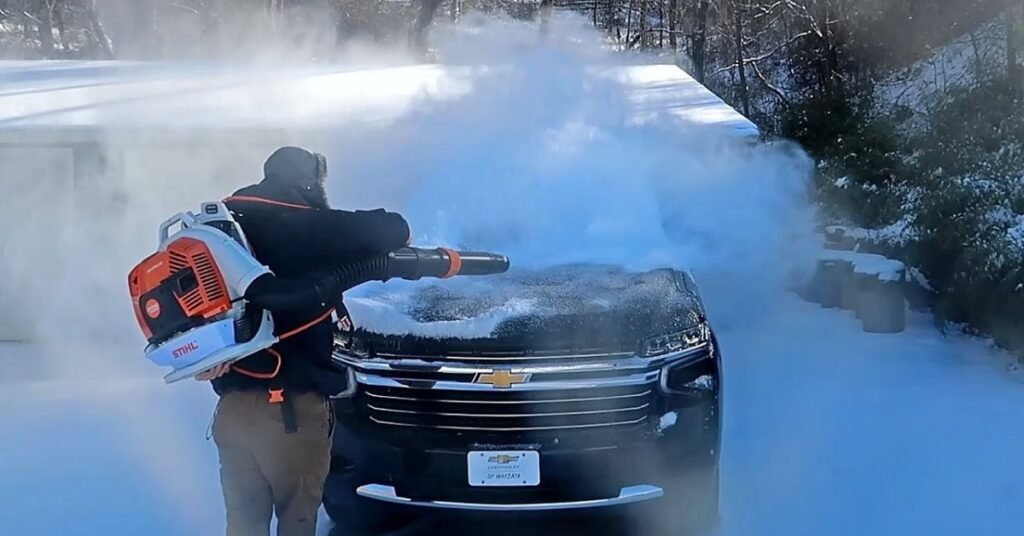
Removing ice from your car does not have to be hard. First, start the engine and turn on the defroster. This warms up the windshield slowly and makes ice easier to remove. Avoid using hot water, as it can crack the glass.
Next, use a plastic ice scraper or a soft brush to remove ice from windows and mirrors. Start from the edges and work your way to the center. If your locks are frozen, apply a small amount of lock de‑icer or rubbing alcohol. Patience is keywork slowly and safely until your car is ready to drive.
Start Your Engine and Defrost System
- Turn on your car and start the engine.
- Switch on the windshield defroster.
- Set it to warm, not hot, to avoid cracking the glass.
- Let the car run for a few minutes to loosen ice.
Clear Snow Before Tackling the Ice
- Use a soft brush or broom to remove loose snow.
- Start from the roof, then hood, and windows.
- Removing snow first makes ice removal faster.
- Avoid metal tools that can scratch your car.
Use an Ice Scraper Safely
- Use a plastic ice scraper instead of a metal one.
- Start scraping from the edges toward the center.
- Work slowly to avoid damaging the glass.
- Keep your hands protected with gloves.
Apply De‑icer Spray or DIY Mixture
- Use a commercial de‑icer spray for faster results.
- DIY option: mix 2 parts rubbing alcohol with 1 part water in a spray bottle.
- Spray evenly on frozen areas.
- Wait a few minutes for ice to soften before scraping.
Wipe Away Melted Ice and Prevent Re‑freeze
- Use a clean cloth to remove leftover water.
- Dry edges of windows and mirrors to prevent refreezing.
- Apply a silicone-based protectant on seals if possible.
- Check for frozen locks or wipers before driving.
Safe Hacks and Tips for Quickly De‑Icing Your Windshield
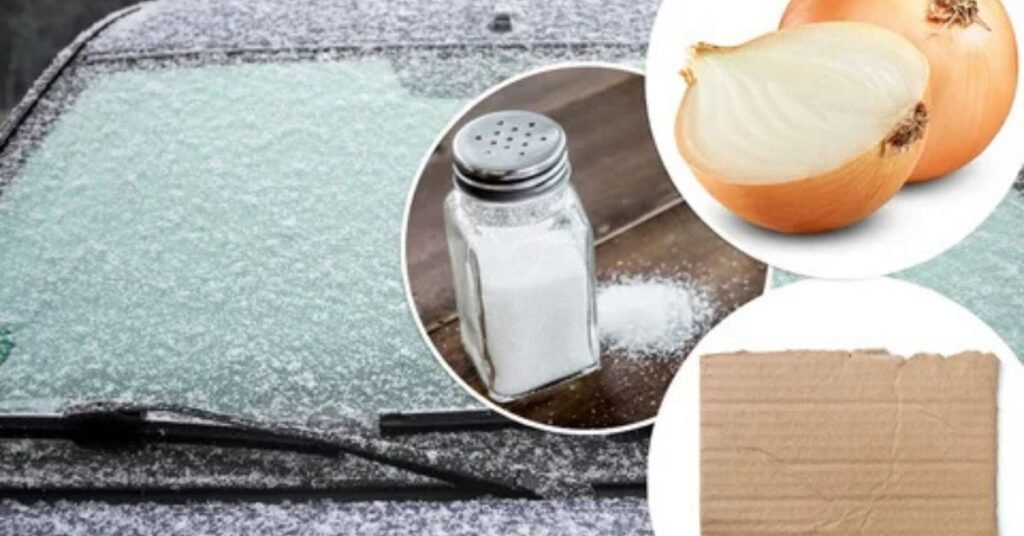
De‑icing your windshield doesn’t have to take long. Start by turning on your car and the defroster. Ice melts faster when the air is warm.. Use a plastic scraper to remove ice gently. Avoid using hot water, as it can crack your glass.
You can also use safe hacks to save time. Spray a mixture of rubbing alcohol and water to soften ice. Cover your windshield at night with a cloth or plastic sheet to prevent frost. Clear snow from the roof and wipers first, so it doesn’t fall back onto your glass. These tips make your morning routine easier and keep your car safe.
Use a Warm Water Bag (Not Boiling)
- Fill a bag with warm water, not hot or boiling.
- Place it gently on frozen areas of the windshield.
- The warmth helps ice loosen without cracking the glass.
- Move the bag slowly to prevent sudden temperature shocks.
Use Alcohol/Wiper Fluid Mix for Faster Melt
- Mix rubbing alcohol with water for a quick DIY de‑icer.
- Spray directly on icy windows to soften ice.
- Windshield wiper fluid with alcohol can also help.
- To avoid streaks, test a small area first.
Hood Covers, Towels, and Preventive Wraps
- Cover your windshield with a towel or hood cover overnight.
- Prevents frost from forming in the morning.
- Remove the cover before driving and shake off snow first.
- Wraps or blankets reduce ice buildup and save time.
What NOT to Do When Your Car Is Iced Over
Never pour boiling water on your frozen car. The sudden heat can crack your windshield and windows.To chip away ice, do not use metal tools.. They can scratch or damage your glass. Rushing or forcing doors open can break locks or seals.
Also, don’t ignore safety. Driving with partially cleared ice is dangerous. Avoid scraping too aggressively, as it can harm your wipers or mirrors. Using harsh chemicals can damage paint and rubber seals. Knowing what not to do helps protect your car and keeps you safe on the road.
Never Pour Hot Water on Your Windshield
- Sudden hot water can crack cold glass instantly.
- Even warm water is safer than boiling.
- Hot water can create stress points in your windshield.
- Avoid accidents caused by slippery water on your car surface.
Don’t Use Metal Tools to Scrape Ice
- Metal can scratch glass and ruin the defroster lines.
- Plastic scrapers are safe and effective.
- Avoid knives or keys; they can chip paint and glass.
- Use slow, steady strokes instead of hard scraping.
Avoid Shortcuts That Damage Glass or Paint
- Don’t use harsh chemicals that can eat away paint.
- Avoid bending wipers or forcing doors open.
- Skipping proper defrosting can warp rubber seals.
- Patience is better than quick, damaging fixes.
How to Prevent Your Car From Icing Overnight
One of the easiest ways to prevent ice is to cover your windshield. Use a towel, blanket, or windshield cover before going to bed. This keeps frost and ice from forming. Parking in a garage or under a carport also helps.
You can also take small steps to protect your car. Apply a thin layer of anti‑freeze spray or rubbing alcohol solution on windows. Clear away snow before it melts and refreezes. Make sure door locks and seals are dry to avoid freezing shut. These simple steps save time and stress in the morning.
Park in the Right Direction for Morning Sun
- Angle your car so the windshield faces the rising sun.
- Sunlight helps melt frost naturally.
- Reduces the time needed to scrape ice.
- Avoid shaded areas where ice forms faster.
Use Windshield Covers or Tarps
- Place a cover over your windshield before nightfall.
- Simple towels or blankets work in a pinch.
- Prevents frost and ice from sticking to glass.
- Remove carefully before driving.
Apply a DIY Anti‑Freeze Spray Before Freeze
- Mix rubbing alcohol with water for a quick spray.
- Apply to windshield and windows at night.
- Helps stop ice from forming or sticking.
- Works best on clear, dry surfaces.
Lift Wipers and Keep Fluid Topped Up
- Lift wiper blades off frozen glass to prevent sticking.
- Check windshield washer fluid and refill if low.
- Use fluid with anti‑freeze properties for winter.
- Keeps wipers working smoothly in icy conditions.
Winter Driving Safety When Your Car Is Iced Over
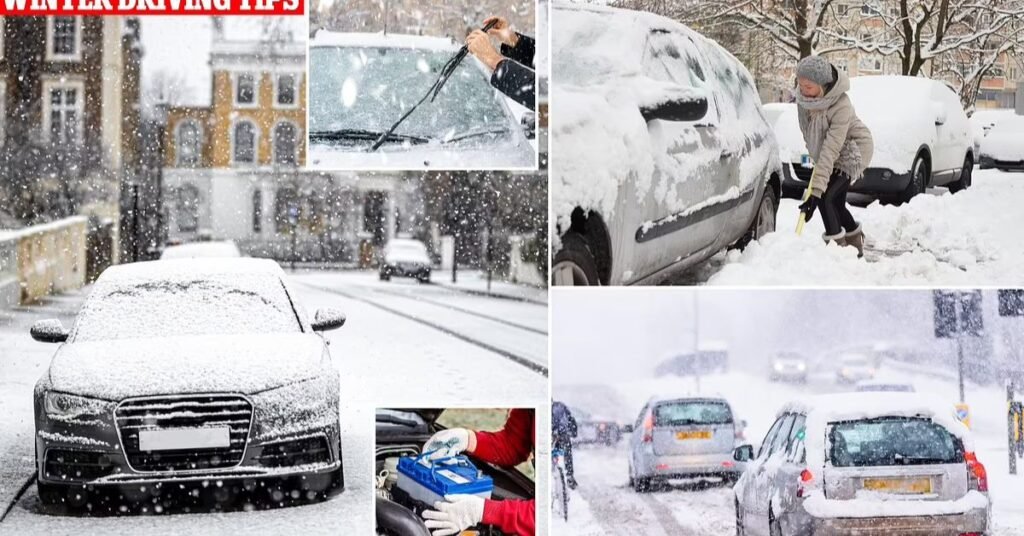
Before you start driving, make sure all ice and frost are cleared from windows, mirrors, and lights. Even a small patch of ice can block your view or make driving dangerous. Check your wipers and fluid, and make sure tires have good traction. Drive slowly and carefully on icy roads.
Keep a safe distance from other vehicles. Sudden stops can cause skidding. Avoid sharp turns and rapid acceleration. Use low gears on slippery surfaces and be extra cautious on bridges and shaded areas. Planning ahead and driving safely protects you and your car during winter.
Clear All Windows Not Just the Driver’s
- Remove ice and frost from all windows, front and back.
- Side windows improve visibility while turning or changing lanes.
- Don’t forget small rear quarter windows; they help see pedestrians or cars.
- Full visibility keeps you safer on the road.
Check Mirrors and Backup Window
- Make sure side and rearview mirrors are free of ice.
- Clean the backup window to see clearly when reversing.
- Adjust mirrors after clearing for best visibility.
- Frozen mirrors reduce your awareness of surrounding traffic.
Warm Up Your Car (But Never Leave Running Unattended)
- Turn on the engine and defroster for a few minutes before driving.
- Warm air helps ice melt naturally on windows and windshield.
- Never leave your car running alone, it’s unsafe and can attract theft.
- Use this time to check lights, tires, and wipers for winter readiness.
Conclusion
Dealing with a car that is iced over can be stressful, especially on cold winter mornings. But with the right steps, it doesn’t have to be difficult. Using safe methods like warm defrosters, plastic scrapers, and DIY de-icer sprays can save time and protect your car. Preventive measures, such as windshield covers, parking wisely, and applying anti-freeze sprays, make mornings much easier.
Always remember safety first. Clear all windows, mirrors, and lights before driving. Avoid dangerous shortcuts like boiling water or metal tools. Small habits, like lifting wipers, keeping fluid topped up, and warming your car safely, prevent damage and accidents. Following these tips keeps you, your car, and others on the road safe during icy weather.
FAQs
1. Why does my car get iced over so quickly?
Ice forms when the temperature drops below freezing and moisture in the air settles on your car. Cars parked outside or in shaded areas are more prone. Humidity, leftover snow, or rain that refreezes overnight also makes icing faster.
2. Can I use hot water to remove ice from my windshield?
No, pouring hot or boiling water can crack your windshield instantly. Use warm water carefully or rely on defrosters and plastic scrapers instead. Slow and safe methods prevent glass damage
.
3. What is the safest way to remove ice from car windows?
Turn on the defroster and start the car.. Use a plastic scraper or brush to remove ice gently. De-icer sprays or DIY alcohol mixtures can soften ice for faster removal.
4. How can I prevent my car from icing overnight?
Use a towel or specialized cover to cover your windshield.. Park facing the morning sun if possible. Applying anti-freeze sprays and lifting wipers helps reduce ice buildup.
5. Are there shortcuts I should avoid during winter mornings?
Yes, avoid using metal tools, boiling water, or harsh chemicals. These can damage glass, paint, or rubber seals. Stick to safe, tested methods for protection and efficiency.
