

Introduction:
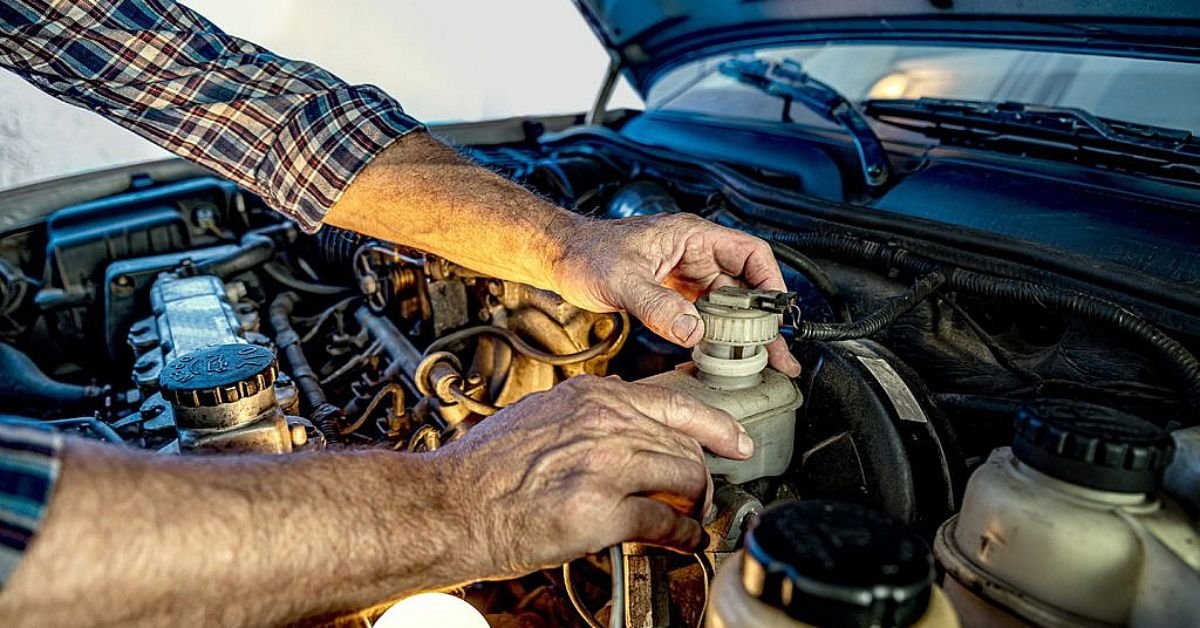
Brake fluid is an important part of your car’s braking system. It helps transfer force from the brake pedal to the brake components so the vehicle can stop safely. Over time, brake fluid can absorb water from the air. This problem is known as moisture in brake fluid, and it can affect how well your brakes work.
Many drivers do not realize that even a small amount of water in brake fluid can create serious problems. Moisture can lower the boiling point of the fluid and reduce braking performance. In some cases, it may even cause brake fade when the brakes get hot. That is why ignoring this issue can put both the driver and passengers at risk.
Understanding the causes and signs of moisture in brake fluid can help you protect your car and stay safe on the road. In this guide, we will explain what causes this problem, the common symptoms to watch for, and the simple steps you can take to fix and prevent it.
What Is Moisture in Brake Fluid?
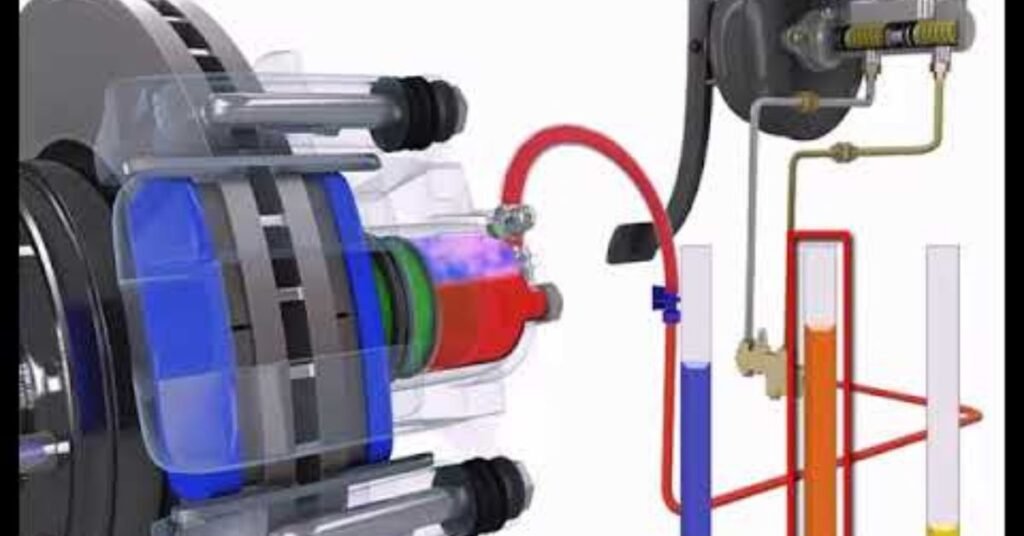
Moisture in brake fluid means that small amounts of water have mixed with the brake fluid inside a vehicle’s braking system. Brake fluid is designed to handle high pressure and heat so your car can stop safely. However, this fluid naturally absorbs moisture from the air over time. Even if the system is closed, tiny amounts of humidity can still enter through seals, hoses, or the brake fluid reservoir.
When moisture mixes with brake fluid, it slowly changes the fluid’s quality and performance. Water lowers the boiling point of the fluid and can reduce braking efficiency. This may cause the brakes to feel weaker or less responsive during driving. If the problem continues for a long time, it can also lead to rust and damage inside the brake system.
Why Brake Fluid Is Hygroscopic
Brake fluid is called hygroscopic because it naturally absorbs moisture from the air. This property helps the braking system manage small amounts of water that may enter over time. Instead of allowing water to collect in one place, the fluid spreads the moisture evenly throughout the system. This helps reduce the chance of water droplets forming inside brake lines.
However, being hygroscopic also means the brake fluid slowly collects more moisture as time passes. The longer the fluid stays in the system, the more water it can absorb from humidity in the air. When too much moisture builds up, the fluid becomes less effective. This is why regular brake fluid maintenance and replacement are important for safe braking performance.
How Moisture Enters the Brake System
- Air enters the brake fluid reservoir when the cap is opened during maintenance.
- Humidity from the surrounding environment slowly mixes with the brake fluid over time.
- Worn or loose seals allow tiny amounts of air and moisture to pass into the system.
- Rubber brake hoses can allow microscopic moisture to seep inside after long use.
- Old brake fluid absorbs water naturally because it is hygroscopic.
- Improper storage of brake fluid containers before refilling the system.
- Frequent driving in rainy or highly humid conditions increases moisture exposure.
What Causes Moisture in Brake Fluid?
Moisture in brake fluid usually appears over time as the fluid absorbs water from the surrounding air. Brake fluid is naturally hygroscopic, which means it attracts and holds moisture. Even though the braking system is mostly sealed, tiny amounts of air can still enter through the reservoir cap, seals, or brake lines. As the vehicle ages, these small openings allow humidity to slowly mix with the fluid.
Another common cause is old or poorly maintained brake fluid. When brake fluid is not replaced for a long time, it continues to collect moisture from the environment. Opening the brake fluid reservoir frequently during maintenance can also let humid air inside. Over time, this moisture builds up in the fluid and reduces its ability to handle heat and pressure in the braking system.
Air Exposure and Reservoir Venting
- Opening the brake fluid reservoir during maintenance lets humid air enter.
- The reservoir cap has small vents that can allow air and moisture inside.
- Frequent topping up of brake fluid increases exposure to outside air.
- Loose or damaged reservoir caps fail to seal the system properly.
- Temperature changes cause air to move in and out of the reservoir.
Old or Contaminated Brake Fluid
- Brake fluid that stays in the system for many years absorbs moisture slowly.
- Using previously opened brake fluid containers can introduce water content.
- Mixing old fluid with new fluid can reduce overall fluid quality.
- Dirt or debris entering the reservoir can contaminate the fluid.
- Skipping regular brake fluid replacement increases moisture buildup over time.
Signs of Moisture in Brake Fluid
One of the first signs of moisture in brake fluid is a soft or spongy brake pedal. When you press the pedal, it may feel less firm than usual. Your brakes might also take longer to stop the car, especially during sudden braking. This happens because moisture lowers the boiling point of the fluid, making it less effective under heat.
Another common sign is reduced braking performance during normal driving. You may notice the car pulling slightly to one side when braking, or the brake warning light turning on. In severe cases, you could hear unusual noises like squealing or grinding. Spotting these signs early can prevent serious damage and keep your brakes working safely.
Soft or Spongy Brake Pedal
A soft or spongy brake pedal feels different when you press it. Instead of a firm stop, the pedal may sink more than usual. This happens because moisture in the brake fluid creates tiny bubbles. These bubbles compress under pressure, making the brakes feel less responsive.
You may notice the pedal requires more force to stop the car. Sometimes, the brakes may feel uneven or delayed. This problem can get worse if the brake fluid has not been changed for a long time. Checking your brake fluid regularly helps avoid this dangerous situation.
Reduced Braking Performance
- Cars take longer to stop even on normal roads.
- The brake pedal feels less responsive or uneven.
- When braking, the vehicle may pull to one side.
- Brake warning lights may turn on unexpectedly.
- Brakes can fade during heavy or repeated use.
- Moisture in brake fluid lowers the boiling point, reducing efficiency.
- Driving in wet or humid conditions can make the problem worse.
Why Moisture in Brake Fluid Is Dangerous
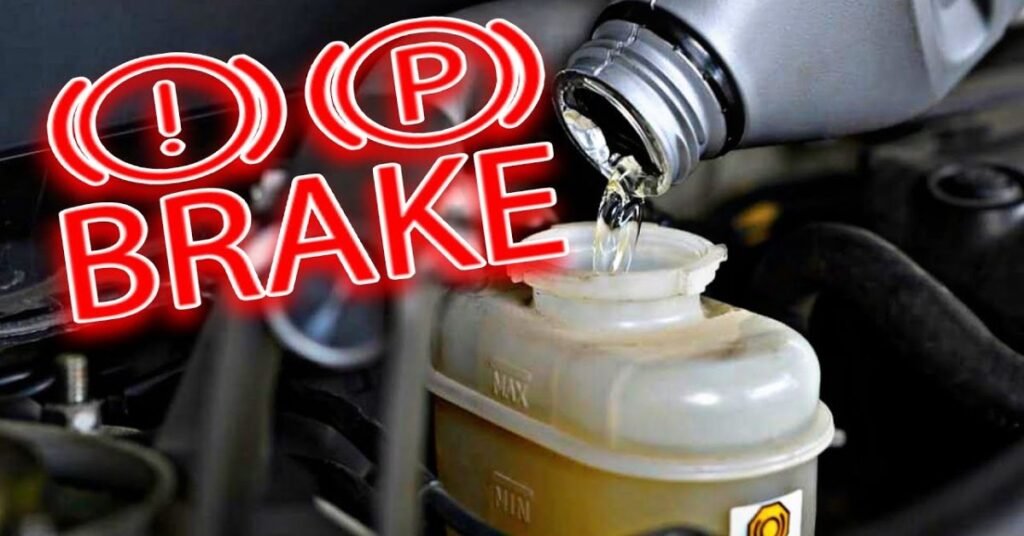
Moisture in brake fluid can make braking unsafe. Even a small amount of water lowers the fluid’s boiling point. When brakes get hot, the fluid can vaporize, creating air pockets. This causes brake fade, where the brakes feel weak or stop working suddenly.
It can also damage the braking system over time. Moisture leads to rust and corrosion inside brake lines, calipers, and master cylinders. Contaminated fluid can shorten the life of brake components. Ignoring this issue increases the risk of accidents and costly repairs.
Lower Boiling Point of Brake Fluid
Moisture in brake fluid lowers its boiling point. When the brakes get hot during driving, the fluid can start to boil. Boiling fluid creates gas bubbles, which compress under pressure. This makes the brake pedal feel soft or spongy and reduces stopping power.
A lower boiling point can be dangerous during long drives or heavy braking. Steep hills, towing, or sudden stops can heat the brakes quickly. If the fluid boils, your brakes may fail temporarily. Regular brake fluid checks and replacements help keep the boiling point high and the brakes reliable.
Risk of Brake Fade and System Failure
- Moisture in brake fluid can cause brake fade during heavy braking.
- Boiling fluid creates gas bubbles, reducing pedal pressure.
- Brakes may feel soft or unresponsive when you need them most.
- Prolonged driving on steep roads increases the risk of failure.
- Rust and corrosion from moisture can damage brake lines and calipers.
- Complete brake system failure is possible if ignored for too long.
- Regular fluid checks prevent accidents and costly repairs.
How to Test Moisture in Brake Fluid
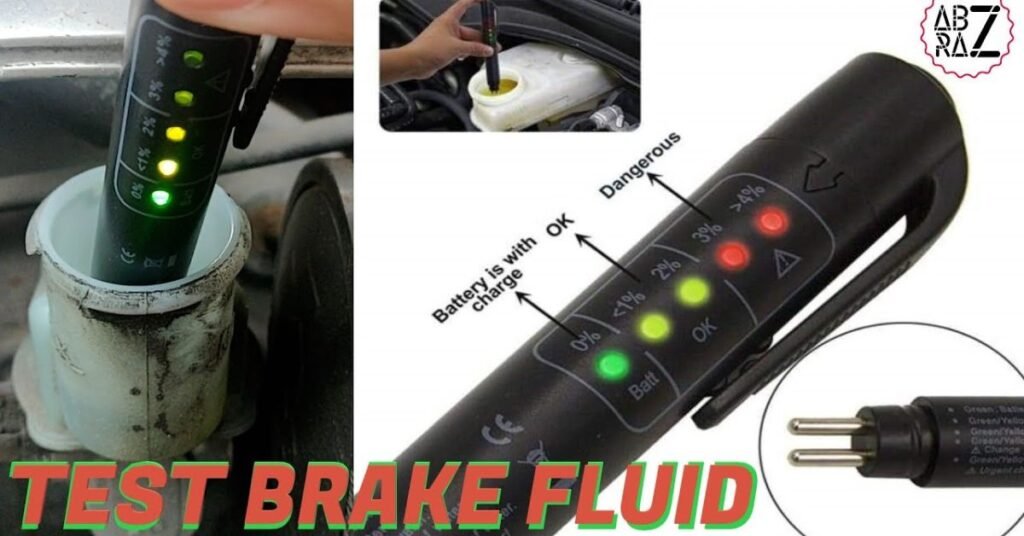
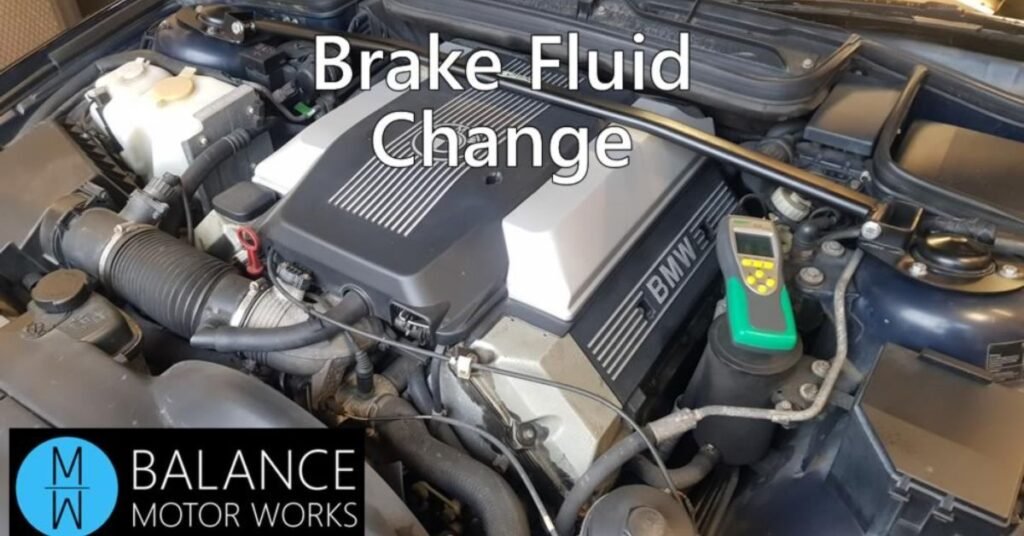
Testing for moisture in brake fluid is simple and important. You can use a brake fluid tester that measures the water content in the fluid. Most testers give a quick reading with color codes or digital results. This helps you know if the fluid is safe or needs replacement.
Another way is to take the car to a professional mechanic. They can perform a complete brake inspection and test the fluid using advanced tools. Regular testing ensures your brakes remain safe and reliable. It also helps prevent expensive repairs caused by moisture damage.
Using a Brake Fluid Moisture Tester
- Brake fluid testers check the water content in your fluid quickly.
- Most testers are small, handheld, and easy to use.
- Dip the tester probe into the brake fluid reservoir.
- The tester shows a reading with color codes or digital numbers.
- Green usually means safe, yellow means caution, and red means the fluid needs replacement.
- Testing regularly helps prevent brake fade and system damage.
- It is a simple way to keep your brakes reliable and safe.
Professional Brake Fluid Inspection
A professional brake fluid inspection is done by a trained mechanic. They check the fluid quality, color, and moisture content using advanced tools. This helps detect problems that a simple home test might miss.
Mechanics also inspect the entire braking system for leaks, corrosion, and worn components. If the fluid is contaminated, they recommend a full brake fluid flush and replacement. Regular professional inspections keep your brakes safe and prevent costly repairs.
How to Fix Moisture in Brake Fluid
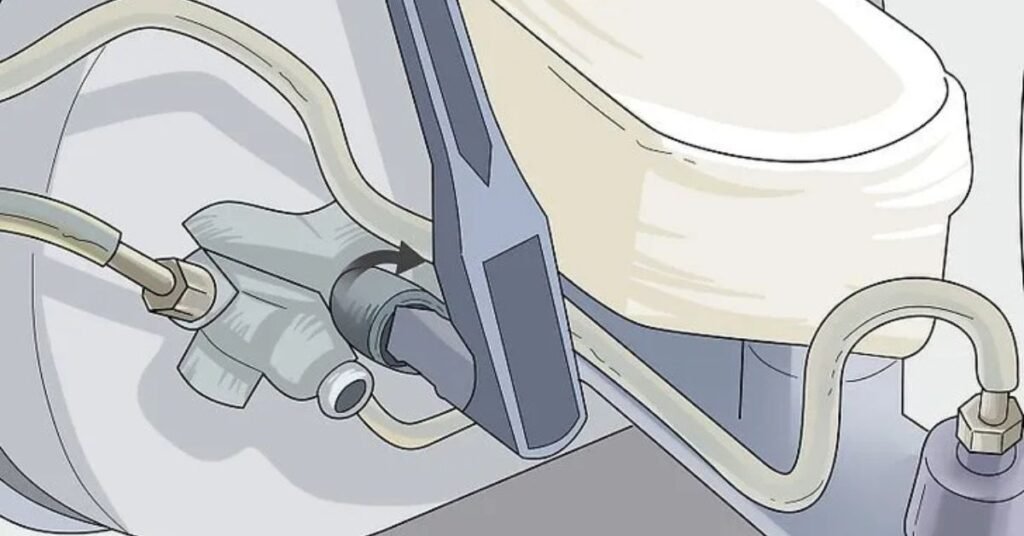
The best way to fix moisture in brake fluid is to replace it with fresh fluid. This is usually done with a brake fluid flush. The old contaminated fluid is removed completely, and clean fluid is added. This restores proper braking performance and prevents brake fade.
It’s important to bleed the brake system after flushing. This removes air bubbles that may have formed during the process. Regularly changing your brake fluid and using sealed containers for storage helps prevent moisture from building up again. Proper maintenance keeps your brakes safe and reliable.
Performing a Brake Fluid Flush
- Remove the old brake fluid from the reservoir first.
- Use a brake bleeder kit or professional tools to flush each brake line.
- Add fresh, clean brake fluid gradually while flushing the system.
- Bleed each brake caliper or wheel cylinder to remove trapped air.
- Check the fluid level in the reservoir and top up as needed.
- Make sure the brake pedal feels firm and responsive after flushing.
- A regular brake fluid flush prevents moisture buildup and corrosion..
Refilling with Fresh Brake Fluid
Refilling with fresh brake fluid is simple but important. Always use the type recommended by your vehicle manufacturer. Pour the fluid slowly into the reservoir to avoid spills. Make sure the reservoir cap is clean before closing it.
After refilling, check the brake pedal feel. Press the pedal a few times to ensure it is firm. Keep the brake fluid container sealed to prevent moisture from entering. Regular refills help maintain braking performance and system safety.
How to Prevent Moisture in Brake Fluid
Preventing moisture in brake fluid starts with regular fluid replacement. Follow your car manufacturer’s schedule for changing the brake fluid. Never let the fluid sit in the system for too long. This stops water from building up over time.
Proper storage also helps prevent moisture. Keep brake fluid in sealed, unopened containers. Avoid opening the reservoir unnecessarily. Driving carefully in humid or rainy conditions and maintaining a clean braking system also reduces moisture exposure. These steps keep your brakes safe and reliable.
Regular Brake Fluid Replacement
- Regular brake fluid replacement keeps your braking system safe and reliable.
- Follow the manufacturer’s recommended schedule, usually every 1–2 years.
- Replacing fluid removes moisture that has built up over time.
- Fresh fluid maintains a high boiling point for better performance.
- Ignoring replacement can lead to soft pedals, brake fade, or system damage.
- It also prevents rust and corrosion inside brake lines and calipers.
- Always use the correct type of brake fluid for your vehicle.
Proper Storage and Sealed Containers
Proper storage of brake fluid helps prevent moisture from entering. Always keep brake fluid in tightly sealed containers. Avoid leaving the container open for long periods, as it will absorb humidity from the air. Store the fluid in a cool, dry place away from sunlight.
When adding fluid to your car, make sure the reservoir cap is clean and secure. Never pour fluid from a container that has been left open. Using sealed and well-stored brake fluid keeps your braking system safe and extends the life of your brakes
When Should You Change Brake Fluid?
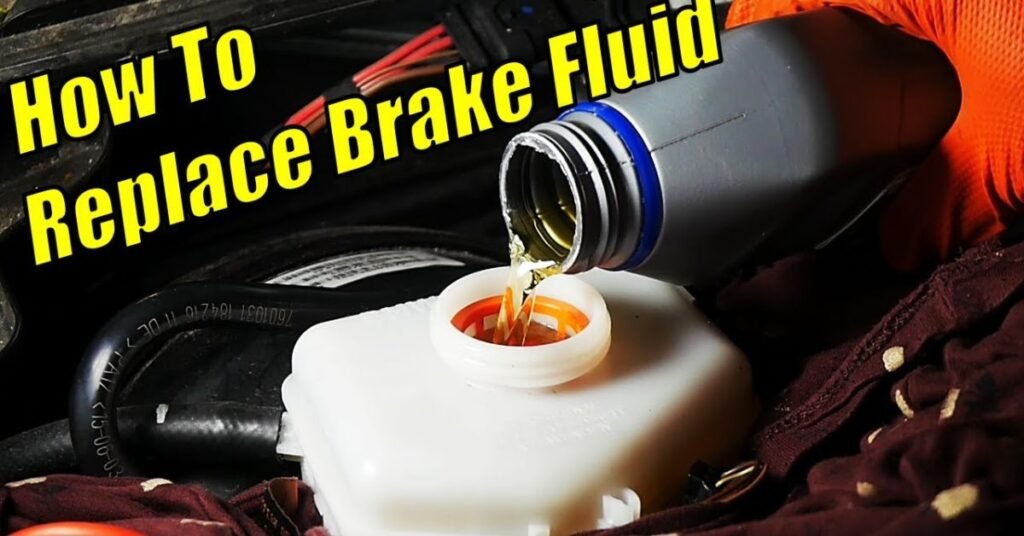
You should change your brake fluid according to the manufacturer’s recommended schedule. Most vehicles need a change every 1–2 years. If you drive in humid or wet conditions, you may need to change it more often. Regular changes prevent moisture buildup and keep your brakes working safely.
You should also change brake fluid if you notice warning signs. Soft or spongy pedals, reduced braking performance, or dark fluid color are signals.Old fluid can damage the braking system, even if the car appears to be fine.. Staying on schedule keeps your brakes reliable and prevents costly repairs.
Manufacturer Recommendations
Car manufacturers provide specific guidelines for brake fluid replacement. These guidelines are based on the type of brake fluid, driving conditions, and vehicle model. Following the manufacturer’s advice ensures the brakes stay safe and perform well. Ignoring these recommendations can lead to moisture buildup and reduced braking efficiency.
You can use the table below to see general manufacturer recommendations for brake fluid replacement. Always check your owner’s manual for exact intervals.
| Vehicle Type/Brand | Recommended Brake Fluid Change Interval | Notes |
| Passenger Cars (Normal Driving) | Every 2 years | Standard DOT 3 or DOT 4 fluid |
| Passenger Cars (High Humidity/Hot Climates) | Every 12–18 months | Prevent moisture buildup |
| Heavy Duty Vehicles / Trucks | Every 1 year | Frequent braking and high load |
| Sports Cars / Performance Vehicles | Every 12 months | High braking temperatures require fresh fluid |
| SUVs / Off-Road Vehicles | Every 12–18 months | Rough terrain increases brake system stress |
| Towing / Hauling Vehicles | Every 12 months | Extra heat from towing accelerates fluid wear |
| Hybrid / Electric Vehicles | Every 2 years | Check for regenerative braking system recommendations |
| Classic / Older Vehicles | Every 1 year | Aging seals and components may absorb moisture faster |
Tip: Even if your car has not reached the time interval, check the fluid color and pedal feel. Dark or dirty fluid indicates it’s time for a replacement.
Driving Conditions That Require Earlier Changes
Certain driving conditions can make brake fluid absorb moisture faster. If you drive in hot, humid, or rainy areas, the fluid can degrade more quickly. Frequent stop-and-go traffic or heavy braking also heats up the fluid, reducing its lifespan.
- Driving in mountainous or hilly regions with constant braking.
- Towing or hauling heavy loads regularly.
- Driving in high humidity or coastal areas.
- Frequent city driving with stop-and-go traffic.
- Racing, track driving, or other high-performance driving.
- Older vehicles with worn seals or brake components.
- Vehicles that sit idle for long periods in humid conditions.
Conclusion
Moisture in brake fluid is a serious issue that affects your car’s safety. Even small amounts of water can lower the fluid’s boiling point and reduce braking performance. Regular checks, proper storage, and timely replacement help prevent accidents. Paying attention to signs like a soft pedal or reduced braking can save your brakes and your life.
By following manufacturer recommendations and adjusting for driving conditions, you can keep your brake system healthy. Using fresh brake fluid and performing regular flushes prevents moisture buildup. Simple maintenance steps like sealed containers and proper reservoir handling make a big difference. Staying proactive ensures your brakes stay reliable, safe, and effective for years.
FAQs
1. What is moisture in brake fluid?
Moisture in brake fluid means that water has mixed with the fluid inside the braking system. Brake fluid is hygroscopic, so it naturally absorbs water over time. This can lower its boiling point, reduce braking efficiency, and cause safety issues.
2. How does moisture get into brake fluid?
Moisture enters through air exposure, worn seals, or improperly stored fluid. Even tiny amounts of humidity can be absorbed over time because brake fluid is hygroscopic. Frequent opening of the reservoir or driving in humid conditions speeds up the process.
3. What are the signs of moisture in brake fluid?
Common signs include a soft or spongy brake pedal, longer stopping distance, or uneven braking. You may also notice the brake warning light or strange noises when braking. Detecting these signs early helps prevent serious brake damage.
4. How can I test brake fluid for moisture?
You can use a brake fluid moisture tester, which shows the water content with color codes or digital readings. A professional mechanic can also inspect the fluid with advanced tools. Regular testing keeps your brakes safe and reliable.
5. How do I prevent moisture in brake fluid?
Prevent moisture by replacing brake fluid regularly and storing it in sealed containers. Avoid opening the reservoir unnecessarily, and follow manufacturer recommendations. Proper maintenance ensures brakes stay efficient, reduces corrosion, and prevents accidents.
