


Introduction:
Low mot i on is a warning or issue that may appear when a car is not running smoothly or when the engine system detects a problem. It can be related to engine performance, sensors, or other mechanical parts that help the vehicle run properly. When this issue appears, it usually means something in the system needs attention or inspection.
Many drivers ignore small warning signs at first. However, a low mot i on problem can affect how your car drives and performs. You may notice reduced power, unusual sounds, or warning lights on the dashboard. Understanding the cause early can help you avoid bigger and more expensive repairs later.
In this guide, we will explain the common causes of low mot i on, the signs you should watch for, and simple ways to fix the problem. You will also learn a few easy maintenance tips that can help keep your vehicle running smoothly and prevent similar issues in the future.
Low Mot I On Meaning and Overview

Low mot i on is a term used to describe a situation when a vehicle shows a warning or performance issue related to the engine or its systems. It usually means that something in the car is not working as it should. This may involve sensors, fuel delivery, or other engine components that help the vehicle run smoothly.
Many drivers notice this issue while driving but are not sure what it actually means. At first, the problem may seem small, but ignoring it can lead to bigger engine troubles later. That is why it is important to understand what the warning indicates and why it appears.
In this guide, we will look at the meaning of low mot i on and explain the possible causes behind it. You will also learn about the signs of the problem and simple ways to fix or prevent it so your car can keep running safely and efficiently.
What Does Low Mot I Mean in a Car?
Low mot i usually refers to a warning or condition that shows your car may not be operating at its normal performance level. It can appear when the engine system detects a small problem or when some parts are not working properly. This may involve sensors, fuel delivery, or engine components that help the vehicle run smoothly.
When this issue appears, the car may feel slightly different while driving. You might notice reduced power, slow acceleration, or unusual engine behavior. Understanding the meaning of this warning helps drivers react early and prevent bigger mechanical problems later.
Why Drivers See the Low Mot I On Warning
Drivers may see the low mot i on warning when the car’s system detects a fault or imbalance in the engine. Modern vehicles use electronic sensors to monitor performance. If something goes outside the normal range, the system may trigger a warning to alert the driver.
This warning can appear for several reasons, such as minor sensor errors, fuel system issues, or poor engine maintenance. Sometimes it may even appear due to temporary conditions. Checking the vehicle early helps identify the real cause and keeps the car running safely and efficiently.
Common Causes of Low Mot I On in Vehicles
- Malfunctioning engine sensor sending wrong data
- Weak fuel delivery from a clogged injector
- Dirty air filter limiting airflow to the engine
- Old or worn spark plugs reducing ignition power
- Loose wiring or damaged electrical connections
- Low engine oil affecting engine performance
- Fault in the engine control unit (ECU) system
- Weak battery or unstable voltage supply
Sensor or Engine System Issues
Modern cars use many sensors to monitor engine performance. These sensors send information to the engine control system so the vehicle can run smoothly. If a sensor stops working correctly, the system may show a warning or cause performance issues.
Possible sensor or engine system issues include:
- Faulty oxygen sensor sending incorrect air-fuel data
- Damaged mass airflow sensor affecting engine balance
- Loose or broken wiring connected to engine sensors
- Engine control unit receiving incorrect signals
- Temperature sensor giving wrong engine readings
Fuel System or Ignition Problems
The fuel and ignition systems help the engine start and run efficiently. If fuel does not reach the engine properly or the spark is weak, the car may lose power. These problems can also trigger engine warnings or unusual driving behavior.
Common fuel or ignition problems include:
- Clogged fuel injector reducing fuel flow
- Weak fuel pump causing low fuel pressure
- Dirty fuel filter blocking fuel supply
- Worn spark plugs producing weak ignition
- Faulty ignition coil affecting spark strength
Signs That Appear When Low Mot I On Occurs
- Engine feels weak or loses power suddenly
- Car struggles to accelerate smoothly
- Dashboard warning lights turn on unexpectedly
- Engine makes unusual sounds or vibrations
- Rough idling when the car is stopped
- Reduced fuel efficiency noticed while driving
- Engine may stall or hesitate during gear changes
- Strange smells from the engine bay
Loss of Engine Power or Rough Idling
- Car struggles to reach normal speed
- Engine feels weak during acceleration
- RPMs fluctuate while idling at a stop
- Engine shakes or vibrates unnaturally
- Hesitation when pressing the gas pedal
- Sudden drop in performance on hills or slopes
- Difficulty maintaining steady speed on highways
Warning Lights on the Dashboard
- Engine check light turns on unexpectedly
- Battery or electrical warning lights appear
- Oil pressure or temperature warning may flash
- ABS or traction control lights can show up
- Sometimes multiple warning lights appear together
- Signals that the engine or sensors need attention
- Alerts you to check your vehicle before driving further
How to Diagnose the Low Mot I On Problem
- Check engine error codes with an OBD-II scanner
- Check if any sensors are giving unusual readings
- Inspect wiring and connections for damage or looseness
- Look for signs of fuel or ignition issues
- Listen for unusual engine sounds during startup
- Monitor engine performance while idling and accelerating
- Check fluid levels like oil and coolant regularly
- Compare current readings with manufacturer specifications
- Test the battery and charging system for stability
- Observe any dashboard warning lights and note patterns
- Inspect air filter and fuel filter for clogs
- Look for engine vibrations or stalling under load
- Take the vehicle for a short test drive to detect issues
- Record any unusual behavior for mechanic consultation
Checking the Dashboard Warning Codes
The dashboard warning codes help identify problems in your car’s engine or systems. These codes are generated when the vehicle detects a fault. By checking them, you can understand what part of the car needs attention.
You can use an OBD-II scanner to read the codes quickly. Some cars also show basic codes on the dashboard itself. Write down the codes and check their meaning in the manual or online. This helps you know whether it’s a simple fix or if a mechanic is needed.
Using an OBD-II Scanner for Diagnosis
- Plug the scanner into the car’s OBD-II port
- Turn the ignition on without starting the engine
- Read the error codes shown on the scanner
- Note down the codes for reference
- Look up the meaning of each code in the manual or online
- Clear the codes after repairs to check if the warning returns
- Scan regularly to detect issues early and prevent damage
How to Fix Low Mot I On Issues

Fixing low mot i on problems starts with identifying the cause. Some issues are simple and can be handled at home. Others may need a professional mechanic. Knowing the exact problem helps save time and cost.
Simple ways to fix low mot i on issues:
- Check and replace faulty engine sensors
- Clean or replace clogged air and fuel filters
- Replace worn-out spark plugs or ignition coils
- Tighten loose wiring or electrical connections
- Refill or change engine oil and coolant
- Use an OBD-II scanner to clear minor error codes
- Visit a professional for serious engine or ECU problems
Basic DIY Checks You Can Try
There are some simple checks you can do at home to spot low mot i on issues. These steps do not need special tools and can help you catch problems early. Regular checks can keep your car running smoothly.
DIY checks include:
- Check engine oil level and top up if low
- Inspect air filter and clean or replace if dirty
- Look for loose or damaged wiring
- Check battery condition and terminals
- Listen for unusual engine sounds while idling
- Observe dashboard for any warning lights
- Test fuel cap to ensure it is tight and sealed
When to Visit a Professional Mechanic
Some low mot i on problems are too complex for DIY fixes. Visiting a professional mechanic ensures proper diagnosis and repair. This prevents bigger damage and costly repairs later.
Signs you need a mechanic:
- Persistent warning lights that don’t reset
- Engine stalling or sudden power loss
- Strange noises from engine or exhaust
- Fuel or ignition issues you cannot fix
- Multiple error codes on the OBD-II scanner
- Frequent rough idling or vibration during driving
Can You Drive With Low Mot I On?
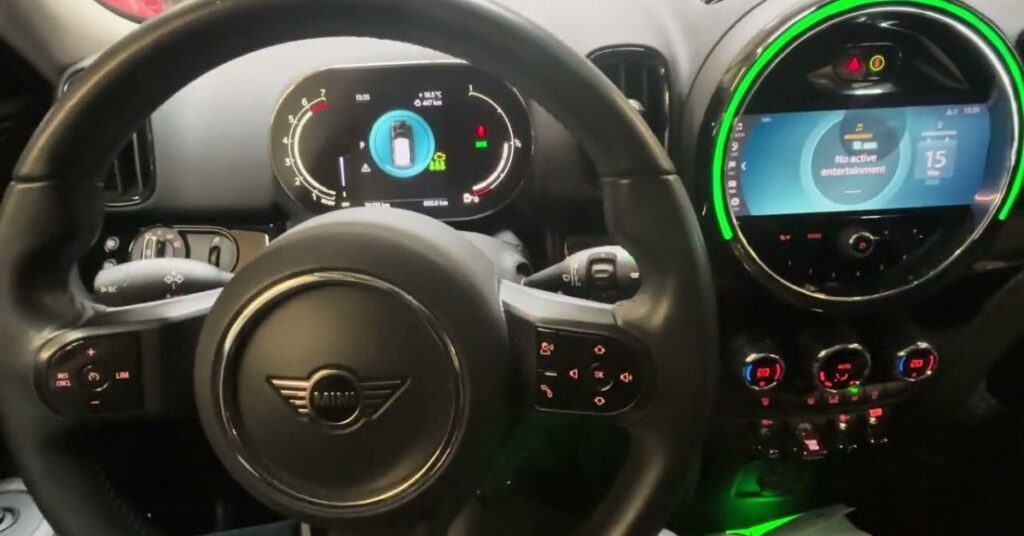
Driving with a low motion warning is possible in some cases, but it is not always safe. The car may still move, but performance can be reduced. Ignoring the warning can cause more serious engine damage over time.
You should pay attention to how the car feels while driving. If there are unusual sounds, rough idling, or power loss, it is best to stop. Small issues might be fine for short trips, but serious problems need immediate attention to avoid expensive repairs.
Risks of Ignoring the Warning
Ignoring the low mot i on warning can cause serious damage to your car. Small engine issues can grow into bigger problems over time. This may lead to expensive repairs or even engine failure.
Your safety on the road can also be affected by it.. Reduced engine power or stalling can cause accidents. Ignoring warning lights may also damage other parts like the fuel system or sensors. Paying attention early helps prevent major problems and keeps your car running safely.
When You Should Stop Driving Immediately
Sometimes, the low motion warning signals a serious issue. Continuing to drive can damage the engine or other parts quickly. Knowing when to stop is important for your safety and your car.
Stop driving immediately if you notice:
- Engine making loud knocking or grinding noises
- Sudden loss of power while accelerating
- Smoke coming from the engine or exhaust
- Dashboard warning lights flashing continuously
- Engine overheating or coolant leaking
- Car stalling repeatedly or hesitating dangerously
- Strange smells like burning oil or fuel
Tips to Prevent Low Mot I On Problems
- Regularly check and change engine oil
- Keep air and fuel filters clean
- Inspect and replace worn spark plugs
- Check battery and electrical connections
- Monitor dashboard for early warning lights
- Clean or replace clogged fuel injectors
- Perform routine engine maintenance as per schedule
- Use high-quality fuel and fluids
Regular Vehicle Maintenance
- Change engine oil and filter on time
- Inspect brakes, tires, and suspension regularly
- Flush and replace coolant periodically
- Check transmission fluid and steering system
- Prevent rust and damage to your car by keeping it clean
- Follow the manufacturer’s maintenance schedule
Checking Sensors and Engine Components
- Test oxygen and mass airflow sensors for proper function
- Inspect spark plugs and ignition coils
- Check fuel injectors for clogs or leaks
- Look for loose or damaged wiring connections
- Monitor engine temperature and pressure sensors
- Use an OBD-II scanner to catch hidden faults
Conclusion
Low mot i on is a warning that should never be ignored. It usually signals a problem with your car’s engine, sensors, or fuel system. Catching the issue early can save you from costly repairs and prevent serious engine damage.
By performing regular maintenance, checking sensors, and watching for warning signs, you can keep your car running smoothly. Simple DIY checks can help, but some problems need a professional mechanic. Paying attention to low mot i on ensures your safety on the road and helps your vehicle last longer.
FAQs
1. What does Low Mot I On mean in my car?
Low Mot I On is a warning that your car’s engine or sensors may not be working properly. Fuel efficiency, performance, and safety can all be affected.. Checking the cause early helps prevent bigger problems.
2. Can I drive with Low Mot I On warning on?
You can drive for a short distance in minor cases, but it is not always safe. Ignoring it may cause engine damage, reduced power, or stalling. Stop and check the vehicle if the warning persists.
3. What are the main causes of Low Mot I On?
Common causes include faulty engine sensors, clogged fuel or air filters, worn spark plugs, and electrical issues. Any part that affects engine performance can trigger this warning.
4. How can I fix Low Mot I On issues at home?
Some DIY fixes include checking oil levels, cleaning filters, inspecting wiring, and replacing worn spark plugs. For serious problems, a professional mechanic is recommended.
5. How can I prevent Low Mot I On problems in the future?
Regular maintenance, sensor checks, timely oil changes, and using quality fuel and fluids help prevent Low Mot I On. Early detection of warning signs keeps your car safe and reliable.
