

Introduction:
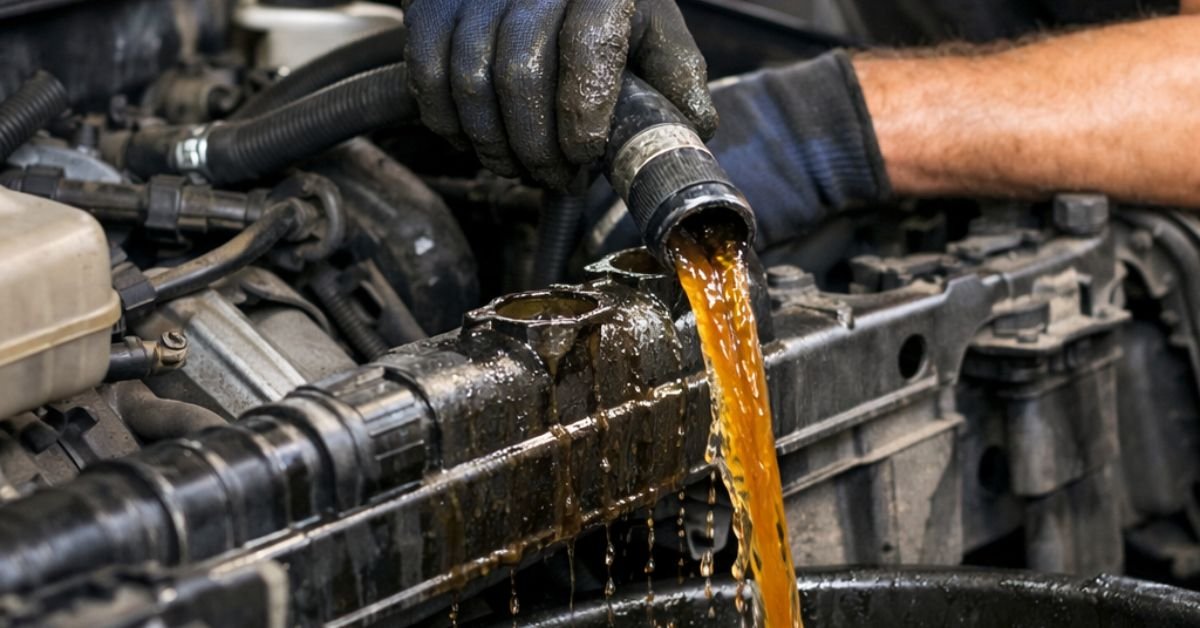
Coolant is a special liquid that keeps your car’s engine from getting too hot or too cold. It flows through the cooling system and helps control the engine temperature. Over time, this liquid becomes dirty and loses its strength. That is why it is important to know when to flush coolant in your car and replace it with fresh fluid.
Many drivers forget about coolant maintenance until their engine starts overheating. This can lead to expensive repairs and serious engine damage. A simple coolant flush at the right time can prevent many of these problems. So the big question is, when should you flush your coolant to keep your car safe and running smoothly?
Understanding the right time to flush coolant can help your engine last longer. In this guide, you will learn the common signs, recommended intervals, and basic tips for coolant flushing. This information will help you take better care of your car’s cooling system.
What Does Engine Coolant Do in a Car?
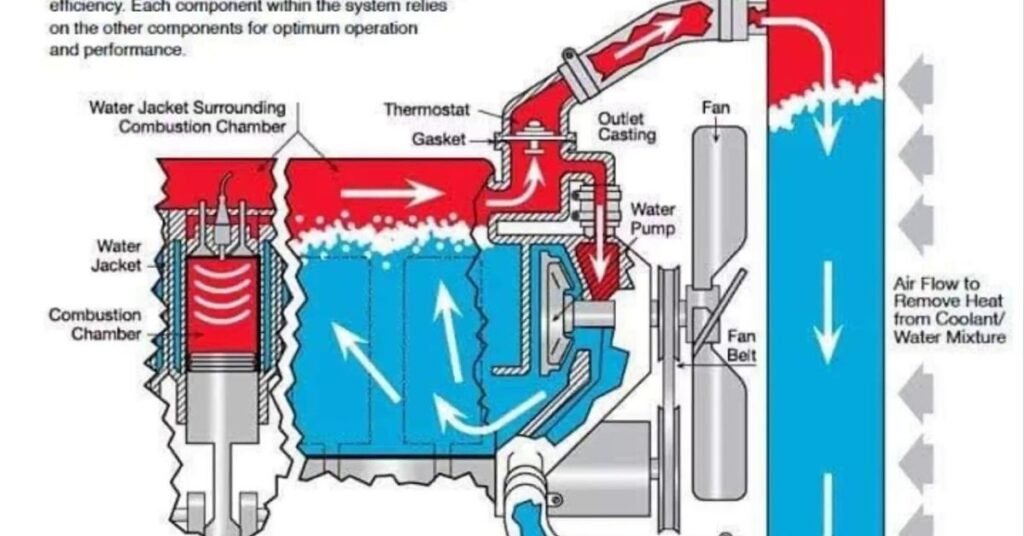
Engine coolant helps control the temperature of your car’s engine. The engine produces a lot of heat when it runs. Coolant moves through the engine and absorbs this heat. Then it carries the heat to the radiator, where it cools down. This process keeps the engine from overheating and helps it run smoothly.
Coolant also protects important parts of the cooling system. It prevents rust, corrosion, and damage inside the engine and radiator. In cold weather, it stops the liquid from freezing. In hot weather, it helps keep the engine from getting too hot. Because of this, coolant plays an important role in keeping your car safe and efficient.
How the Cooling System Protects the Engine
The cooling system keeps the engine at a safe temperature while the car is running. The coolant moves through the engine and absorbs extra heat. After that, the radiator cools the liquid before it flows back again. This continuous cycle prevents the engine from overheating.
The cooling system also protects many engine parts from damage. It keeps metal components from getting too hot and wearing out quickly. Parts like the radiator, water pump, and hoses work together to control heat. When the system works properly, the engine runs smoothly and lasts longer.
Why Coolant Breaks Down Over Time
Coolant does not stay strong forever. As the engine runs, the liquid is exposed to heat, pressure, and small particles inside the system. Over time, these conditions reduce the coolant’s ability to control temperature. The fluid can also become dirty and lose its protective chemicals.
When coolant breaks down, it cannot protect the engine as well as before. Rust and corrosion may start forming inside the cooling system. This can lead to overheating or clogged passages. That is why it is important to check and replace coolant at the right time.
When to Flush Coolant in Your Car
Knowing when to flush coolant in your car is important for keeping the engine healthy. Most cars need a coolant flush every 2 to 5 years. Some vehicles may also recommend flushing after a certain number of miles. You can find the exact schedule in your car’s owner manual. Following this timing helps keep the cooling system clean and working properly.
You may also need to flush coolant if you notice warning signs. For example, the engine may run hotter than normal. The coolant might look dirty, rusty, or cloudy in the reservoir. Sometimes you may even smell a sweet odor from the engine area. These signs mean the coolant may no longer protect the engine well, and a flush could be necessary.
Recommended Coolant Flush Interval
A coolant flush should be done at the right time to keep the engine safe. Many car makers recommend flushing coolant every 30,000 to 60,000 miles. In some modern vehicles, coolant can last up to 100,000 miles. However, the exact interval depends on the type of coolant and the vehicle model.Timing is best determined by checking your owner’s manual.
Regular coolant flushing helps remove dirt, rust, and old chemicals from the cooling system. Fresh coolant protects the engine from overheating and corrosion. If the coolant stays in the system for too long, it can lose its strength. This may cause poor cooling performance and engine problems. Following the correct flush schedule helps keep your car running smoothly.
| Vehicle Type | Typical Coolant Type | Recommended Flush Interval | Time Interval | Notes |
| Older vehicles | Traditional green coolant | Every 30,000 miles | About 2 years | Needs more frequent replacement |
| Standard passenger cars | OAT coolant | 50,000 – 60,000 miles | 3 – 5 years | Common in many modern cars |
| Newer vehicles | Extended-life coolant | Up to 100,000 miles | 5 years or more | Longer protection period |
| Heavy-duty vehicles | Heavy-duty coolant | 30,000 – 50,000 miles | 2 – 3 years | Depends on engine load |
| High-performance cars | Performance coolant | 40,000 – 60,000 miles | Around 3 years | Heat management is critical |
| Hybrid vehicles | Specialized coolant | 60,000 – 100,000 miles | 5 years | Some systems use separate coolants |
| SUVs and trucks | Long-life coolant | 60,000 – 100,000 miles | 4 – 5 years | Designed for heavy usage |
| Vehicles in hot climates | Any coolant type | 30,000 – 50,000 miles | 2 – 3 years | Heat can shorten coolant life |
| Vehicles with heavy driving | Any coolant type | 30,000 – 60,000 miles | 2 – 4 years | Frequent driving stresses coolant |
| Light-use vehicles | Long-life coolant | Up to 100,000 miles | 5 years | Still check coolant condition regularly |
Manufacturer Guidelines for Coolant Replacement
Car manufacturers provide clear instructions about coolant replacement. These guidelines are designed to protect the engine and cooling system. Most companies explain the correct coolant type and the recommended replacement time. Brands like Toyota, Honda, and Ford Motor Company include this information in the owner’s manual. Following these instructions helps maintain proper engine temperature and performance.
Each vehicle may have a different coolant schedule. Some cars use long-life coolant that lasts many years. Others may require replacement sooner depending on driving conditions. Manufacturers test their engines carefully to decide the safest interval. Checking the owner’s manual and following the recommended schedule can help prevent overheating and expensive engine problems.
Signs Your Car Needs a Coolant Flush
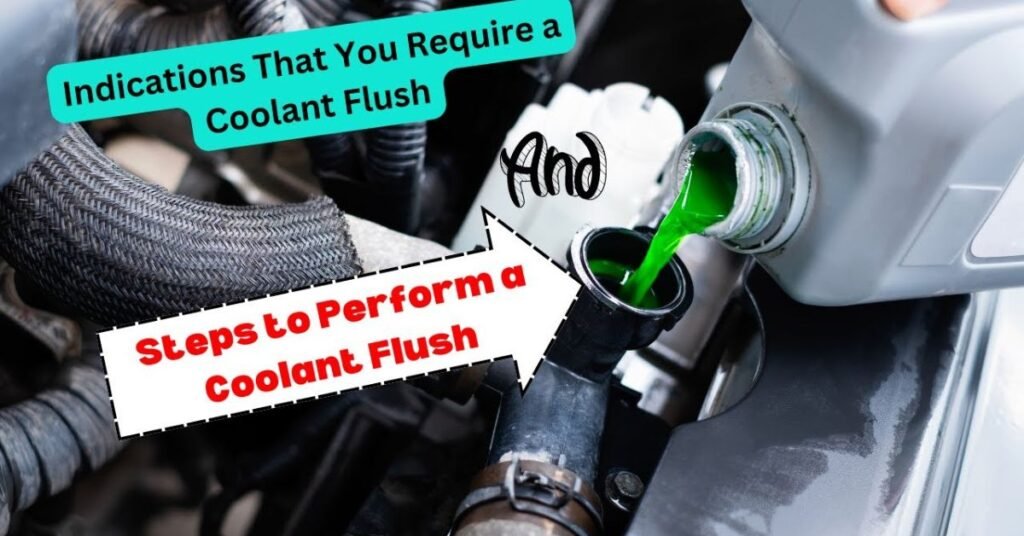
There are clear signs that your car may need a coolant flush. One common sign is the engine running hotter than usual. You may also notice the coolant looking rusty, dirty, or cloudy in the reservoir. A sweet smell near the engine or small puddles under the car can also indicate problems.
Other signs include poor heater performance or the radiator struggling to cool the engine. Strange noises from the water pump or overheating warnings on the dashboard are also warnings. Preventing serious engine damage can be achieved by observing these signs.. Flushing the coolant at the right time keeps your engine safe and running smoothly.
Engine Overheating Problems
If your engine gets too hot, it can cause serious damage. Watch out for these signs:
- Temperature gauge rising above normal
- Steam coming from under the hood
- Engine warning lights on the dashboard
- Reduced engine performance or strange noises
Rusty or Dirty Coolant Color
Coolant should be bright and clear. If it looks brown, rusty, or cloudy, it’s time for a flush. Signs include:
- Dark or murky coolant in the reservoir
- Sediment or particles floating in the liquid
- Reduced cooling efficiency
Sweet Smell or Coolant Leaks
Coolant has a sweet smell, so any unusual odor can be a warning. Watch for:
- Sweet smell near the engine or inside the car
- Small puddles of green, orange, or pink fluid under the car
- Wet spots around hoses, radiator, or water pump
- Steam or smoke coming from the engine area
How Often Should You Flush Engine Coolant?
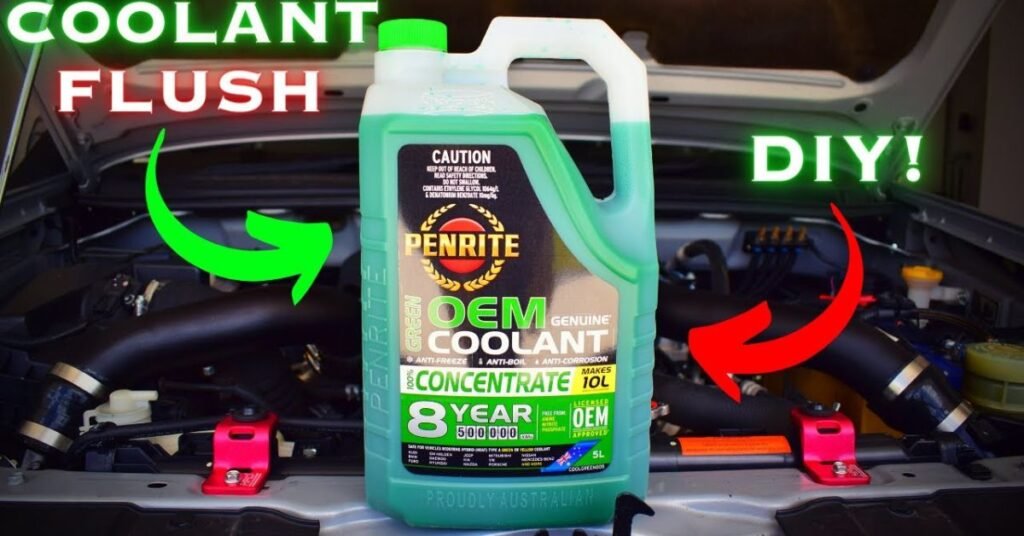
The frequency of flushing engine coolant depends on your car and the type of coolant it uses. Many older cars need a flush every 2 to 3 years or 30,000 miles. Modern vehicles with long-life coolant can go up to 5 years or 100,000 miles. Always check your car’s owner manual to know the exact schedule.
Driving conditions also affect how often you should flush coolant. Hot climates, heavy traffic, or frequent short trips can wear out coolant faster. Dirty or broken coolant can cause engine overheating and damage. Flushing at the right time keeps the engine healthy and extends its life.
Standard Interval for Most Vehicles
For most cars, the standard interval for a coolant flush is every 30,000 to 60,000 miles. This usually equals about 2 to 5 years, depending on the type of coolant and driving conditions. Following this schedule helps remove dirt, rust, and old chemicals from the cooling system.
Some vehicles use long-life coolant, which can last up to 100,000 miles or 5 years. However, extreme weather, heavy traffic, or frequent short trips can shorten this interval. Checking the coolant condition regularly and sticking to the recommended schedule keeps your engine safe and prevents costly repairs.
Differences Between Conventional and Long-Life Coolant
Coolants are not all the same. Conventional coolant needs to be replaced more often. It usually lasts about 2–3 years or 30,000 miles. Long-life coolant is designed to last much longer, often 5 years or 100,000 miles. The main difference is how long the protective chemicals last inside the cooling system.
| Feature | Conventional Coolant | Long-Life Coolant |
| Lifespan | 2–3 years / 30,000 miles | 5 years / 100,000 miles |
| Protection | Basic anti-rust and anti-freeze | Extended anti-rust, anti-corrosion, anti-foam |
| Cost | Usually cheaper | Slightly more expensive |
| Replacement Frequency | More frequent | Less frequent |
| Best For | Older vehicles | Modern cars with advanced engines |
What Happens If You Don’t Flush Coolant?
If you don’t flush your car’s coolant, the liquid can become dirty and lose its effectiveness. Rust, scale, and sediment may build up inside the cooling system. This can block the radiator or hoses, making it harder for the engine to stay cool. Eventually, the engine may overheat, resulting in serious damage.
Old coolant also loses its protective chemicals. This allows corrosion to form on metal parts like the water pump, radiator, and engine block. Leaks or costly repairs can happen if the problem continues. Flushing the coolant at the right time keeps the engine safe and running smoothly.
Engine Overheating Risks
Engine overheating can cause serious problems if not addressed quickly. High temperatures can warp engine parts like the cylinder head or block. It may also damage gaskets, belts, and hoses. Overheating can reduce engine performance and even lead to total engine failure.
Corrosion and Cooling System Damage
Old or dirty coolant can cause corrosion inside the cooling system. Rust can form in the radiator, water pump, and pipes. This weakens the metal and may lead to leaks or blockages. Over time, the cooling system becomes less effective, increasing the risk of engine damage. Regular coolant flushing prevents these issues and keeps the system strong.
Benefits of Flushing the Cooling System
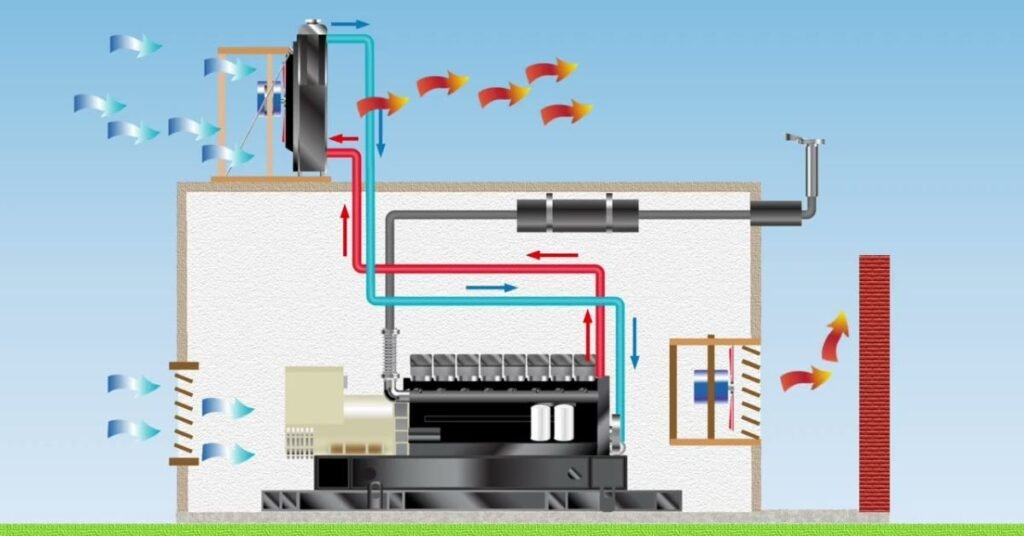
Flushing the cooling system helps remove old, dirty coolant from the engine. It also clears rust, scale, and other deposits that can block the radiator or hoses. This keeps the engine running at the right temperature and prevents overheating.
Fresh coolant also protects the engine and cooling system parts from corrosion. It improves overall performance and extends the life of the radiator, water pump, and hoses. Regular flushing saves money on costly repairs and keeps your car running smoothly.
Improved Engine Temperature Control
- Engine runs smoothly even in hot weather
- Prevents sudden temperature spikes
- Reduces stress on engine parts
- Helps maintain consistent fuel efficiency
Longer Life for Radiator and Water Pump
- Prevents corrosion inside the radiator
- Reduces buildup that can block coolant flow
- Keeps water pump bearings and seals in good condition
- Minimizes leaks and costly repairs
How to Flush Coolant
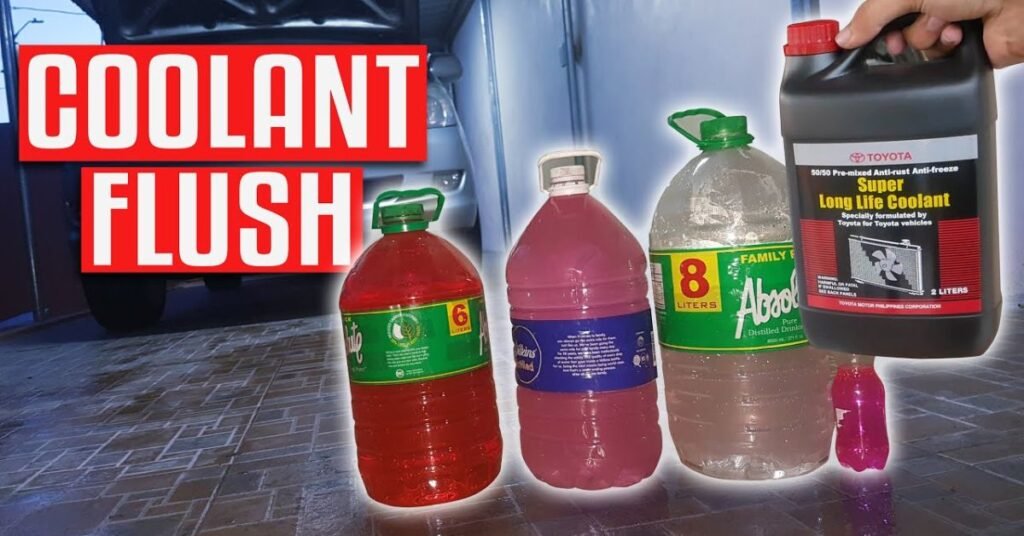
Flushing coolant is easier than many people think, but it must be done carefully. First, make sure the engine is cool before opening the radiator. Coolant should be drained into a safe container.. Then, rinse the system with clean water to remove leftover dirt and rust.
Next, refill the radiator with fresh coolant and the right mix of water. Run the engine for a few minutes to circulate the new liquid. Make sure the coolant level is correct and check for leaks.. Regular flushing keeps the engine cool and protects the cooling system.
Cost of a Coolant Flush and When to Get Professional Help
A coolant flush is usually affordable, costing around $100 to $150 at most shops. Doing it yourself can be cheaper, but you need the right tools and fresh coolant. The cost depends on your vehicle type and the amount of coolant needed.
You should get professional help if you notice leaks, rust, or overheating problems. Mechanics can also check the radiator, hoses, and water pump while flushing. Getting help ensures the job is done safely and protects your engine from damage.
Average Coolant Flush Cost in the USA
In the United States, the average cost to get a professional coolant flush done at a mechanic shop is usually around $100 – $200 for a typical car. This price can vary based on the region and service provider. Urban areas often have higher labor rates, while smaller towns may charge a bit less.
Some shops include a full system flush with inspection and cleaning, which can push the cost toward $150 – $250, especially at dealerships or chain service centers. Luxury or specialty vehicles may cost more due to premium coolant and added labor. DIY coolant changes are significantly cheaper (about $30 – $80 for materials), but require tools and careful handling.
DIY Coolant Flush
You can flush your car’s coolant yourself or take it to a professional. Doing it yourself is cheaper and gives you full control. However, it requires proper tools, safety precautions, and knowledge about your vehicle. Mistakes can lead to spills, leaks, or engine damage.
A professional flush costs more but is safer and faster. Mechanics can inspect hoses, radiator, and water pump while replacing the coolant. They also dispose of old coolant safely. Using a professional ensures the job is done correctly and prevents engine problems.
| Feature | DIY Coolant Flush | Professional Coolant Flush |
| Cost | $30 – $80 | $100 – $200 |
| Time | 1–2 hours | 30–60 minutes |
| Safety | Requires caution | Handled safely by experts |
| Tools Needed | Wrenches, container, funnel | Provided by shop |
| Extra Checks | Limited | Full system inspection |
Conclusion
Flushing your car’s coolant is an important part of car maintenance. It keeps the engine running at the right temperature and prevents overheating. Clean coolant also protects the radiator, water pump, and hoses from rust and corrosion. Skipping a flush can lead to engine damage and expensive repairs.
Following the recommended intervals and checking for warning signs ensures your cooling system stays healthy. Whether you do it yourself or use a professional, regular coolant flushes extend your car’s life. Paying attention to coolant health keeps your engine safe, improves performance, and saves money in the long run.
FAQs
1. How often should I flush my car’s coolant?
Most vehicles need a coolant flush every 30,000–60,000 miles or 2–5 years. The exact interval depends on your car’s model, driving conditions, and the type of coolant used. Checking your owner’s manual is the safest way to know.
2. Can I flush coolant myself?
Yes, a DIY flush is possible if you have the right tools and knowledge. However, mistakes like spills, improper filling, or using the wrong coolant can damage the engine. Professional help is safer and ensures the system is cleaned fully.
3. What are the signs I need a coolant flush?
You may need a flush if the coolant looks rusty, dirty, or cloudy. Other signs include engine overheating, sweet smells, or coolant leaks. Addressing these issues early protects your engine and cooling system.
4. How much does a coolant flush cost?
A professional flush in the USA usually costs $100–$200, depending on your vehicle and location. DIY flushes are cheaper, around $30–$80, but require tools and careful handling. Costs can rise for luxury or specialty vehicles.
5. What happens if I don’t flush the coolant?
Old coolant can lose its protective chemicals and allow rust and corrosion to form inside the cooling system. This can lead to overheating, leaks, and engine damage. Regular flushing keeps the engine safe and improves its lifespan.
