

Introduction:
Engine coolant is a special liquid that helps keep a car engine at the right temperature. The fluid flows through the engine and absorbs heat. This prevents the engine from overheating while the car is running. Coolant is usually a mixture of water and antifreeze, and it works inside a closed cooling system.
Many car owners notice that the coolant level sometimes goes down. This makes them wonder if the coolant simply evaporates or if there is another problem. It can be confusing because there is often no visible leak under the car. This situation raises an important question: can engine coolant really evaporate inside a car?
In most cases, coolant does not evaporate easily because the cooling system is sealed. However, small amounts can slowly disappear due to heat, pressure, or minor issues in the system. Understanding why coolant levels drop can help you protect your engine and avoid costly repairs. In this guide, we will explain the possible reasons and what you should check.
Can Engine Coolant Evaporate?
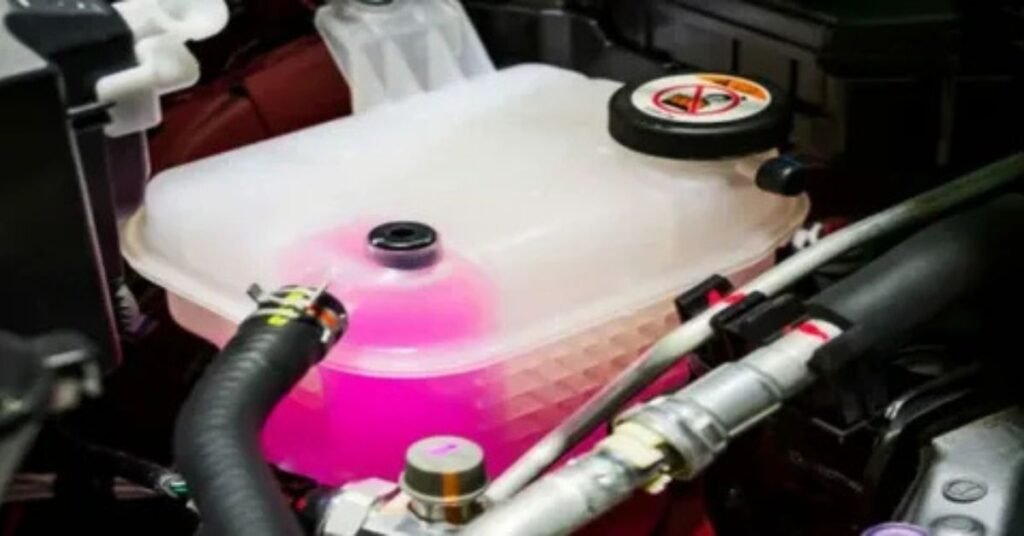
Engine coolant is designed to stay inside a sealed cooling system. Normally, it does not evaporate like plain water. The radiator, hoses, and reservoir keep the coolant contained while the engine runs. Because the system is closed, the liquid keeps circulating to control engine temperature.
However, in some situations a small amount of coolant may slowly disappear. High engine heat and pressure can cause tiny amounts to turn into vapor, especially if the system cap is weak or loose. Sometimes the loss is so small that drivers think it has evaporated. In reality, it is often related to minor leaks, worn parts, or normal system pressure changes.
What Happens to Coolant Inside a Car Engine
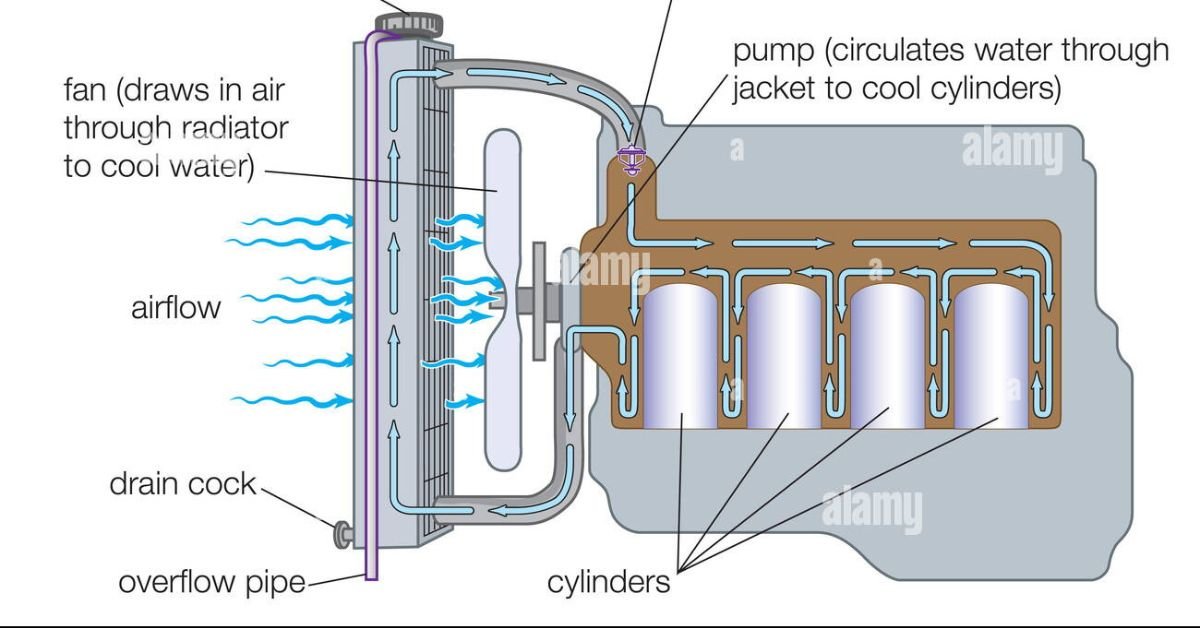
Coolant moves through the engine and radiator while the car is running.Heat from the engine is absorbed by it. The heated coolant then travels to the radiator, where it cools down before circulating again. This continuous cycle helps keep the engine at a safe temperature.
The cooling system is sealed to keep the coolant inside. Parts like the radiator, water pump, hoses, and reservoir work together to control heat. When everything is working properly, the coolant keeps moving in a loop. This process protects the engine from overheating and damage.
Does Coolant Actually Evaporate or Disappear?
Many people think coolant simply evaporates when the level goes down. In reality, coolant is made to resist evaporation because it contains antifreeze chemicals. Inside a sealed system, it usually stays in liquid form even when the engine gets hot.
If the coolant level keeps dropping, there is often another reason. It could be a small leak, a weak radiator cap, or coolant burning inside the engine. Sometimes the loss is very slow, so it looks like the coolant has disappeared. Checking the cooling system can help find the real cause.
Why Your Engine Coolant Level Drops Over Time
The coolant level in a car does not always stay the same. Over time, it can slowly drop even if the car seems to run normally. Heat from the engine and pressure inside the cooling system can cause small changes in the coolant level. Sometimes a tiny loss happens that drivers do not notice at first.
There are several reasons why coolant may decrease. Some causes are normal, while others may need attention. If the level keeps dropping, it is important to check the cooling system to avoid engine overheating.
Common reasons for coolant loss include:
- Small leaks in hoses or the radiator
- A loose or damaged radiator cap
- Evaporation from the coolant reservoir
- Engine overheating problems
- A worn water pump or gasket
Checking these parts regularly can help keep the coolant level stable and protect your engine from damage.
Normal Coolant Loss vs Serious Problem
A small drop in coolant over time is often normal. Cars naturally lose a tiny amount due to heat and pressure in the system. This does not usually cause problems if the coolant is checked regularly.
However, a large or sudden drop can signal a serious issue. Leaks in hoses, the radiator, or the water pump can cause major coolant loss. Ignoring this can lead to engine overheating and damage. Regular checks help catch problems early.
How Heat and Pressure Affect Coolant Levels
Engine heat makes coolant expand and move through the system. Pressure builds inside the radiator and hoses as the car runs. This is normal and helps the coolant flow properly.
If the pressure gets too high, it can push small amounts of coolant out of the system. Over time, this may look like the coolant is disappearing. Weak caps, worn hoses, or engine problems can make this loss worse. Monitoring the system keeps your engine safe.
Common Causes of Coolant Loss Without Visible Leaks
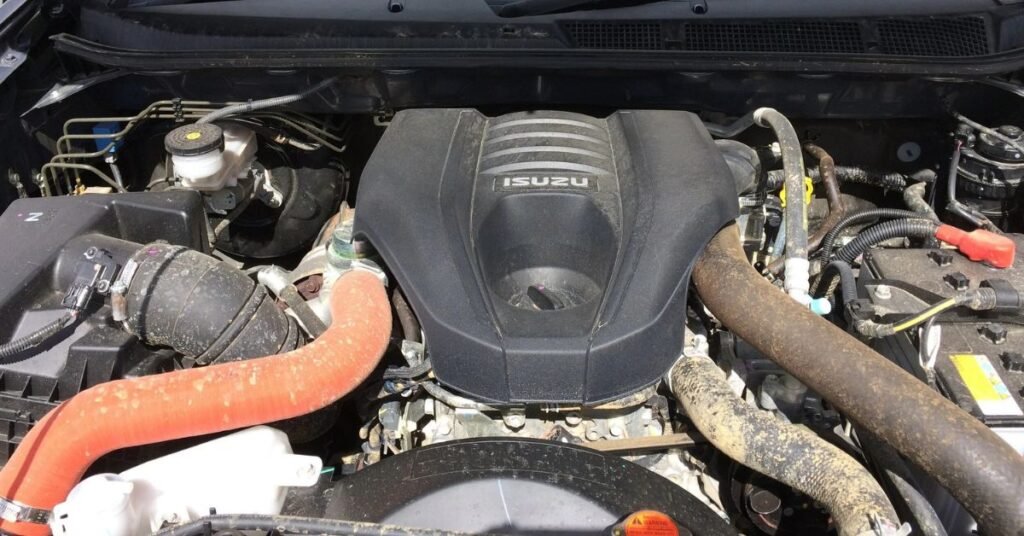
Sometimes coolant levels drop even when there are no visible leaks under the car. This can confuse many drivers. The cooling system is sealed, so small losses may happen inside the engine or reservoir. Knowing the possible causes helps prevent bigger problems.
Some common reasons include:
- Evaporation from the reservoir tiny amounts may escape over time
- Worn radiator or heater hoses leaks may be too small to see
- Faulty radiator cap pressure may push coolant out slowly
- Internal engine issues coolant can burn inside the engine
- Head gasket problems allow coolant to enter the combustion chamber
Checking these parts regularly can keep your car running safely and prevent engine damage.
Faulty Radiator Cap
The radiator cap helps keep the cooling system sealed and maintains pressure. If it is old or damaged, it can let coolant escape slowly. Even a small problem with the cap can reduce coolant levels over time.
Signs of a faulty radiator cap:
- Coolant bubbling in the reservoir
- Steam coming from the radiator
- Engine overheating frequently
Replacing a weak cap can prevent slow coolant loss and protect the engine.
Internal Engine Leaks
Sometimes coolant leaks happen inside the engine and are not visible. This can occur in the head gasket, intake manifold, or engine block. Internal leaks are dangerous because they can lead to overheating and engine damage.
Common signs of internal leaks:
- White smoke from the exhaust
- Milky oil on the dipstick or oil cap
- Sweet smell inside the car
If you notice these signs, a mechanic should inspect the engine immediately.
Air Pockets in the Cooling System
Air can get trapped in the cooling system after repairs or coolant refills. These pockets prevent coolant from circulating properly. This can make the engine hotter in some areas and cause small coolant loss.
Ways air pockets affect the system:
- Engine temperature fluctuates quickly
- Hoses feel hot while radiator seems cooler
- Coolant level drops unexpectedly
Bleeding the cooling system removes air pockets and restores proper coolant flow.
Can Overheating Cause Coolant to Evaporate?
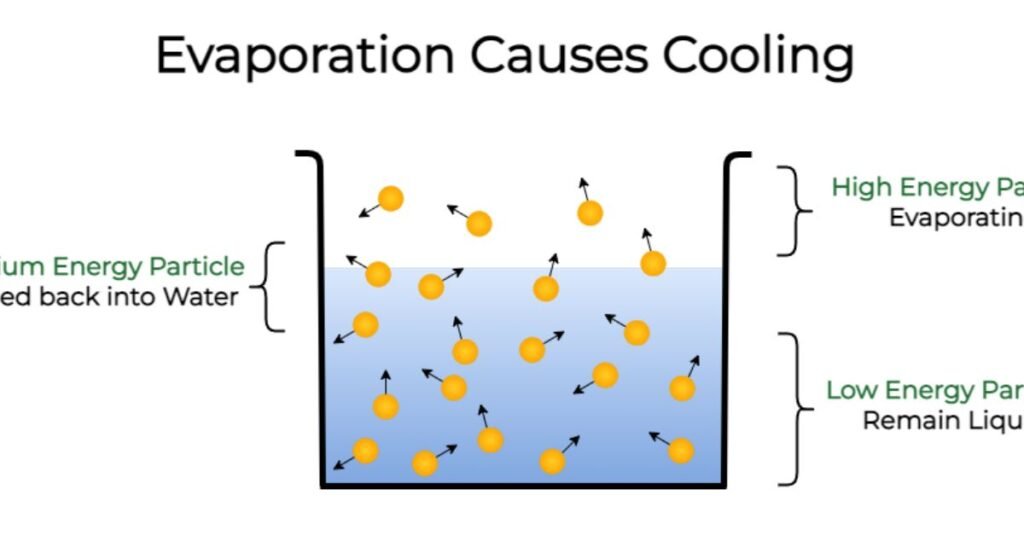
When an engine overheats, the coolant gets extremely hot and pressure builds inside the system. In normal conditions, the coolant is designed not to evaporate because the system is sealed. However, extreme heat can force small amounts of coolant to escape as vapor, especially if the radiator cap or hoses are weak.
Overheating can also worsen hidden leaks or create new ones. Even a tiny escape of coolant can reduce the level over time. Regularly checking the coolant and keeping the engine temperature in the safe range helps prevent evaporation and protects your engine from serious damage.
How High Engine Temperature Affects Coolant
High engine temperature puts extra stress on the coolant. When the engine gets too hot, the coolant expands and pressure rises in the system. If the pressure is too much, it can push small amounts of coolant out through weak spots. Over time, this can lower the coolant level and reduce its efficiency.
Extreme heat can also damage hoses, gaskets, and the radiator. This makes leaks more likely and can cause coolant to escape faster. Keeping the engine temperature stable helps the coolant last longer and protects the engine from serious problems.
Signs Your Engine Is Overheating
Recognizing overheating early can prevent major damage. Some common signs include:
- Temperature gauge rising quickly
- Steam or smoke from under the hood
- Strong sweet smell of coolant
- Hissing noises from the radiator or hoses
- Engine feels hotter than usual
Noticing these signs early allows you to stop the car and check the cooling system before damage occurs.
Symptoms of Low or Disappearing Coolant
Low or disappearing coolant can cause serious engine problems if not noticed early. Often, the loss is slow and hard to see, but the car will show warning signs. Recognizing these symptoms helps prevent overheating and engine damage.
Some signs are obvious, while others are subtle. Monitoring the coolant level and engine behavior is important. Here is a table of common symptoms of low or disappearing coolant in a unique and clear way:
| Symptom | What It Means | Why It Happens |
| Engine Temperature Rises | Engine is hotter than normal | Not enough coolant to absorb heat |
| Steam from Radiator or Hood | Coolant is boiling | System pressure too high or coolant is low |
| Sweet Smell Inside or Outside Car | Coolant leaking or evaporating | Coolant escaping from reservoir or hoses |
| White Smoke from Exhaust | Coolant entering combustion chamber | Possible head gasket leak |
| Milky Oil on Dipstick | Coolant mixing with oil | Internal engine leak |
| Frequent Coolant Refills | Level drops fast | Leak or evaporation in system |
| Hissing Noises | Pressure escaping from system | Small leak or weak radiator cap |
Checking these symptoms early can save you from expensive engine repairs and keep your car running smoothly.
Engine Overheating Warning
An engine overheating warning is one of the first signs of trouble. Most cars have a temperature gauge or warning light on the dashboard. If this light comes on, it means the engine is running hotter than normal. Ignoring it can cause serious damage to the engine.
When you see this warning, it is important to stop the car safely. Let the engine cool down before checking the coolant or other parts. Regular maintenance helps prevent overheating and keeps the engine safe.
White Smoke from Exhaust
White smoke from the exhaust can be a sign of coolant problems. It usually means coolant is entering the combustion chamber. Head gasket leaks or engine issues may cause this.
If you notice white smoke, don’t ignore it. Continuing to drive can damage the engine further. Have a mechanic check the engine and cooling system immediately to avoid costly repairs.
Low Coolant Reservoir Level
A low coolant reservoir level is a simple but important warning. It shows that coolant has been lost or evaporated over time. This can happen from minor leaks, heat, or air pockets in the system.
Checking the reservoir regularly can prevent serious engine problems. If the level is low, refill with the correct coolant type. Keeping the reservoir full ensures the engine stays cool and works efficiently.
How to Check If Your Car Is Losing Coolant
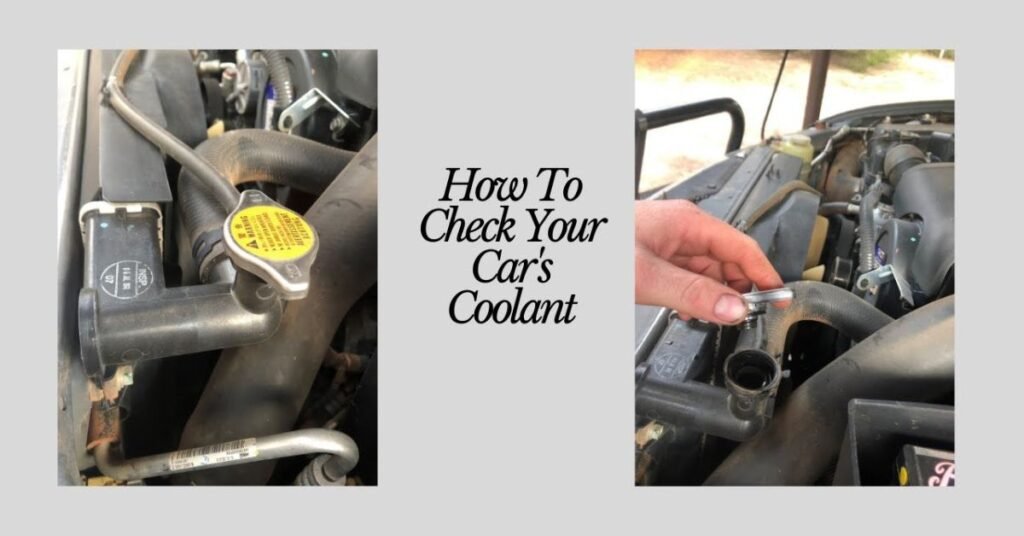
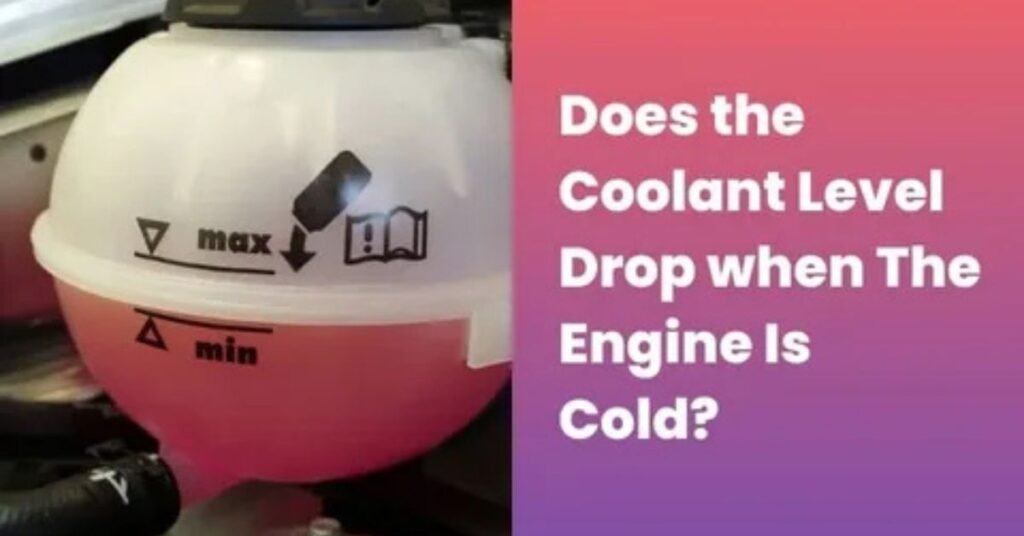
Checking if your car is losing coolant is simple but important. Start by looking at the coolant reservoir. If the level is lower than the “minimum” mark, your car may be losing coolant.Check the engine on a cold day to avoid burns.
You can also inspect the cooling system for signs of leaks or evaporation. Look under the car, around hoses, and near the radiator. Some small losses are not visible, so monitoring the system regularly is key.
Steps to check coolant loss:
- Check the reservoir level ensure it’s between “min” and “max”
- Look for puddles under the car signs of visible leaks
- Inspect hoses and radiator check for cracks or wet spots
- Monitor engine temperature unusual rises may indicate low coolant
- Check oil for milky appearance may show internal leaks
Regularly checking these points keeps your car safe and prevents engine overheating.
Inspecting the Radiator and Hoses
Checking the radiator and hoses is an easy way to find coolant problems. Look for cracks, leaks, or wet spots on hoses and around the radiator. Pay attention to areas where the hoses connect to the engine and radiator.
Also, check the radiator fins for damage or blockages. Dirt or bent fins can reduce cooling efficiency. Regular inspection helps catch small issues before they become major problems.
Performing a Cooling System Pressure Test
A cooling system pressure test helps find leaks that are not visible. Mechanics use a special tool to pressurize the system while the engine is off. This makes tiny leaks appear in hoses, radiators, or connections.
The test is safe and shows exactly where coolant is escaping. It helps prevent overheating and engine damage. Doing this test regularly ensures the cooling system works properly and keeps your car running smoothly.
How to Fix Coolant Loss Problems
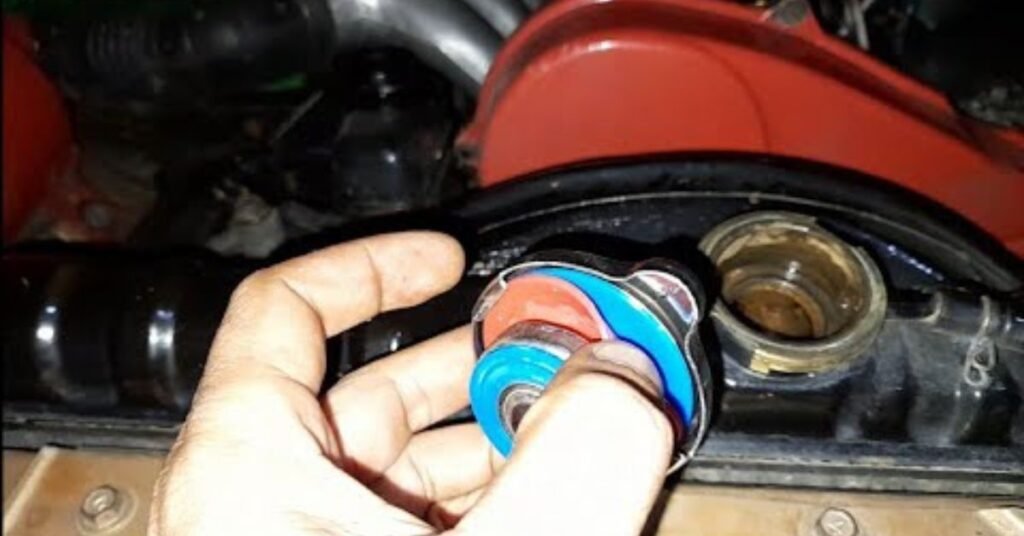
Fixing coolant loss problems depends on the cause. Small issues like low reservoir levels can be fixed by refilling with the correct coolant. For leaks, worn hoses, or a faulty radiator cap may need replacement. Regular maintenance prevents future problems and keeps the engine safe.
Some steps to fix coolant loss include:
- Make sure your car’s coolant is the right type
- Replace damaged hoses or clamps prevent leaks from spreading
- Change a faulty radiator cap maintain proper system pressure
- Repair or replace leaking radiator stop major coolant loss
- Check for internal leaks head gasket or engine repairs may be needed
- Bleed the cooling system remove air pockets that reduce coolant flow
By following these steps, you can stop coolant loss, prevent overheating, and protect your engine from serious damage.
Replacing a Bad Radiator Cap
A bad radiator cap can cause slow coolant loss and engine overheating. Replacing it is simple and inexpensive. Make sure the engine is cool before removing the old cap to avoid burns.
Choose a cap that matches your car’s specifications. Tighten it securely, then check the coolant level and pressure. A new cap keeps the system sealed and helps the coolant circulate properly.
Repairing Internal Coolant Leaks
Internal coolant leaks happen inside the engine and are not easy to see. They can occur in the head gasket, intake manifold, or engine block. If ignored, they can cause overheating and major engine damage.
Repairing internal leaks usually requires a mechanic. The process may include replacing the head gasket or fixing engine components. Early detection prevents bigger problems and keeps your car running safely.
How to Prevent Engine Coolant Loss in the Future
Preventing coolant loss starts with regular care of your car’s cooling system. Check the coolant level often and top it up if needed. Inspect hoses, radiator, and the reservoir for cracks or leaks. Keeping everything in good condition stops small problems from becoming big ones.
Some practical tips to prevent coolant loss include:
- Before long trips, check the coolant levels regularly
- Inspect hoses and radiator replace worn or cracked parts
- Replace faulty radiator caps maintain proper pressure
- Flush the cooling system periodically remove buildup and debris
- Avoid engine overheating monitor temperature gauge closely
- Use the correct type of coolant ensures proper protection
Following these steps keeps your engine cool, reduces coolant loss, and prolongs the life of your car.
Regular Cooling System Maintenance
Regular maintenance of your car’s cooling system is key to preventing problems. Water pump, radiator, and hoses need to be inspected.. Keeping these parts in good condition helps the engine stay cool and avoids costly repairs. Small checks now can save big expenses later.
Routine maintenance also includes cleaning and flushing the system. This removes rust, dirt, and old coolant that can block circulation. A well-maintained cooling system ensures your engine runs efficiently and safely.
Checking Coolant Levels and Quality
Checking coolant levels is a simple way to protect your engine. Look at the reservoir and make sure the coolant is between the “min” and “max” marks. Low levels can lead to overheating and engine damage.
Coolant quality is equally important. Old or dirty coolant should be replaced because it loses effectiveness. Check the color and clarityclean coolant is usually bright and clear. Regular checks keep the cooling system working properly and prevent coolant loss.
Conclusion
Engine coolant is very important for keeping your car engine safe. It helps the engine stay at the right temperature and prevents overheating. If coolant levels drop or disappear, it can cause serious problems like engine damage or leaks.
Regular checks and proper maintenance are the best ways to prevent coolant loss. Always monitor the reservoir, inspect hoses, and replace worn parts. Simple steps like using the correct coolant, checking the radiator cap, and avoiding overheating keep your car running smoothly. Taking care of the cooling system saves money, avoids stress, and extends the life of your engine.
FAQs
1. Can engine coolant really evaporate?
Coolant is designed not to evaporate in a sealed system. Small amounts may escape as vapor if the radiator cap or hoses are weak, but most loss comes from leaks or overheating.
2. How often should I check my coolant level?
It’s best to check coolant at least once a month or before long trips. Regular checks help spot slow leaks or drops before they cause engine problems.
3. Why is my coolant level dropping even without visible leaks?
Coolant can disappear due to tiny internal leaks, weak radiator caps, or air pockets in the system. Sometimes heat and pressure cause minor evaporation inside the reservoir.
4. What are the signs of low coolant?
Common signs include engine overheating, steam from the radiator, sweet smells, white smoke from the exhaust, or fluctuating temperature gauges. Early detection prevents serious engine damage.
5. Can I drive with low coolant?
Driving with low coolant is risky. It can quickly overheat the engine, causing major damage. Always refill or check the system before driving to keep your car safe.
