

Introduction:
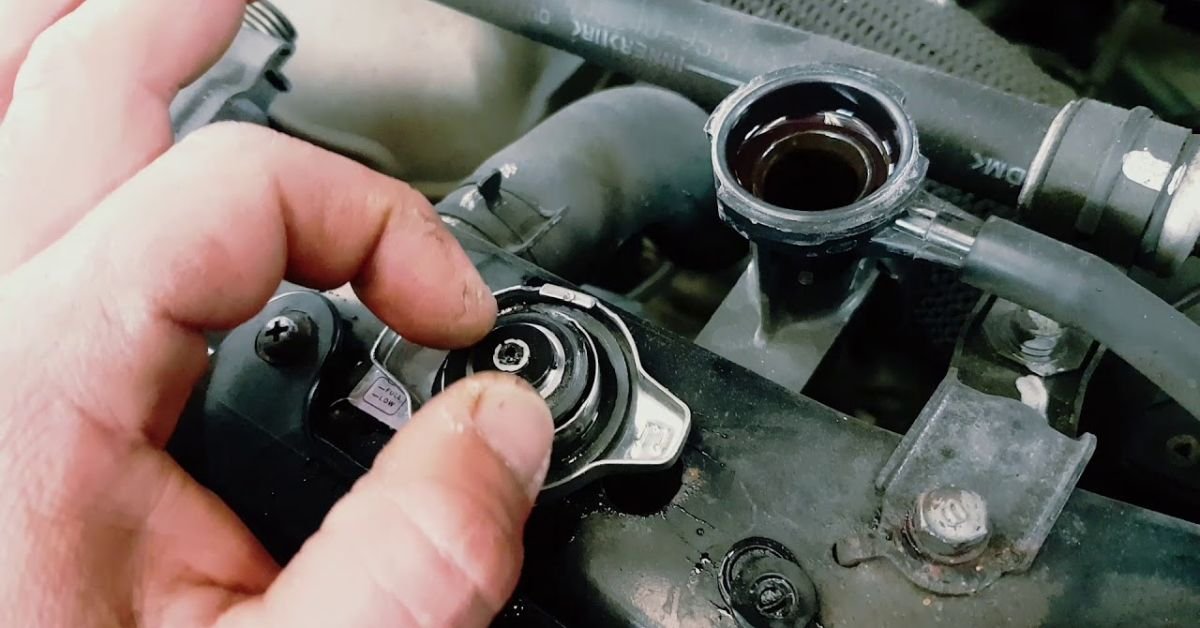
Your car’s coolant cap may seem small, but it plays a crucial role in keeping your engine safe. It seals the cooling system and maintains the right pressure, ensuring the engine doesn’t overheat. When this cap fails or wears out, coolant can leak, potentially causing serious engine problems.
Noticing coolant around the radiator cap, steam from the engine, or an unusual sweet smell are clear signs of a leak. Many drivers ignore these warning signs, thinking it’s a minor issue. But even a small leak can lead to overheating, poor engine performance, and costly repairs if left unchecked.
In this article, we’ll break down the main reasons coolant leaks from the cap, explain the common symptoms to watch for, and guide you on professional fixes. Understanding these details will help you act quickly, protect your engine, and prevent bigger problems in the future.
What Does a Coolant/Radiator Cap Do?
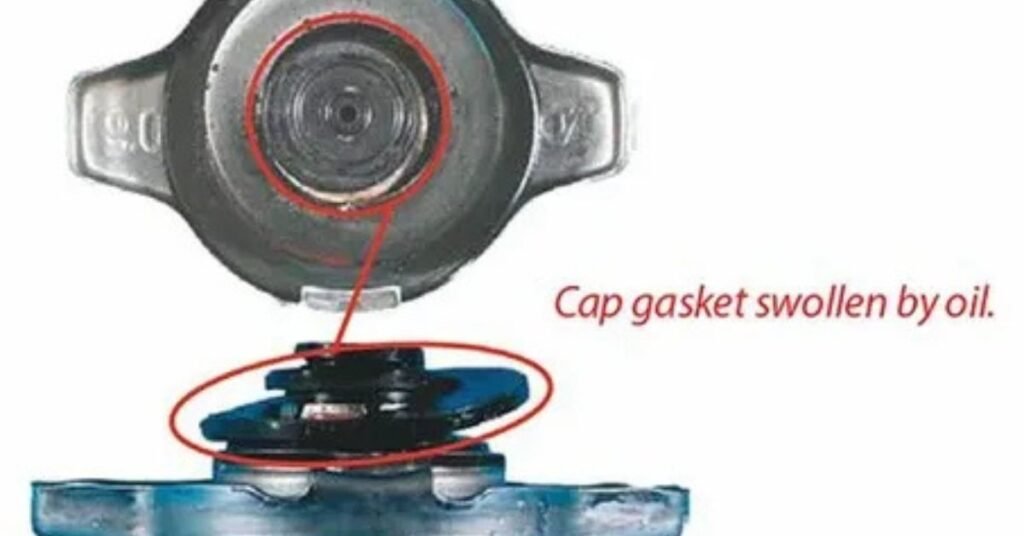
The coolant or radiator cap may seem like a small part, but it plays a vital role in your car’s engine.By maintaining the right pressure, it keeps the cooling system sealed.. This pressure helps the coolant flow properly and prevents the engine from overheating. A faulty or worn cap can lead to leaks, engine damage, or poor performance.
The cap also works as a safety valve. If the pressure gets too high, it releases the extra coolant to protect hoses and the engine. In short, the radiator cap keeps your engine cool, safe, and running smoothly every time you drive.
Common Causes of Coolant Leaking From the Cap
One of the main reasons coolant leaks from the cap is a worn or damaged seal. Over time, the rubber gasket can crack or shrink. This allows coolant to escape and pressure to drop. Another common cause is excessive pressure in the cooling system. Blockages or a clogged radiator can make the system push coolant out of the cap.
Coolant leaks can also happen if the cap is old or not the right type for your car. Using the wrong pressure rating can cause the cap to fail. Corrosion on the cap or radiator neck is another reason for leaks. Regular checks and maintenance can prevent most of these problems before they cause serious damage.
Worn or Faulty Radiator Cap Seal
A worn radiator cap seal can’t hold pressure properly. This lets coolant leak out slowly or quickly.
- Cracked or hardened rubber gasket
- Cap doesn’t fit tightly
- Coolant seeps around the edges
Excessive System Pressure & Blockages
Too much pressure in the cooling system can push coolant out of the cap. Blocked hoses or radiators make this worse.
- Overheating increases pressure
- Clogged radiator or thermostat
- Coolant escapes through the weakest point
Incorrect Coolant Level or Mixture
Low or uneven coolant levels can make leaks happen. Wrong coolant type can damage the system.
- Engine running hot due to low coolant
- Wrong antifreeze mixture
- Uneven pressure in the system
Corrosion or Damage to the Cap or Cooling System
Rust and corrosion can damage the radiator cap or its neck. This weakens the seal and causes leaks.
- Rust on the cap or radiator neck
- Metal parts worn or cracked
- Seal can’t hold pressure properly
Typical Symptoms of a Coolant Leak at the Cap
Coolant leaking from the radiator cap can show up in many ways. Some signs are easy to see, like coolant around the cap or on the engine. Other signs are hidden, like your engine running hotter than usual. Noticing these early can save your engine from serious damage.
Pay attention to unusual smells, steam, or frequent need to refill coolant. These symptoms often mean the radiator cap or cooling system needs inspection. Acting quickly can prevent overheating and costly repairs.
Symptoms, Causes, and Actions Table
| Symptom | Possible Cause | What to Do |
| Coolant around the cap | Worn or damaged seal | Inspect and replace the cap |
| Engine overheating | Low coolant or excessive pressure | Check coolant level; consult mechanic |
| Steam from engine | Coolant escaping due to high pressure | Let engine cool; inspect cap and hoses |
| Sweet smell near engine | Leaking coolant | Inspect cap and radiator; repair leak |
| Coolant reservoir overflowing | Faulty cap or pressure issues | Replace cap; monitor system |
| Frequent coolant refill | Small ongoing leaks | Check cap, hoses, and radiator |
Visible Coolant Around the Cap or Under the Car
Coolant leaking from the cap can drip down and form small puddles under your car. You may also notice wet spots around the radiator cap.
- Check for colored liquid (green, orange, or pink)
- Inspect around the cap for dampness or streaks
Overheating Engine & Frequent Refills
A leaking coolant cap can make the engine run hotter than normal. You may also find yourself refilling coolant more often than usual.
- Monitor your engine temperature gauge
- Keep an eye on coolant levels regularly
Steam or Sweet Smell Near the Engine
If the cap is leaking, you might see steam coming from the engine. You may also notice a sweet, syrup-like smell of coolant.
- Steam indicates escaping hot coolant
- Sweet smell is a warning to check the cap and hoses
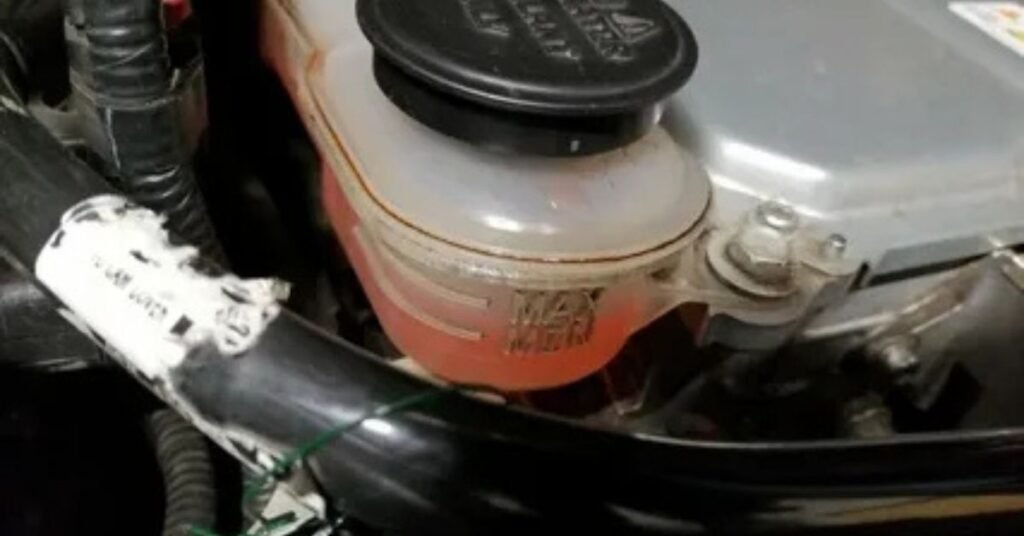
Overflowing Reservoir Tank
| Issue | Possible Cause | Signs to Watch | Recommended Action |
| Reservoir overflow | Faulty radiator cap | Coolant spilling into tank | Replace cap; check system pressure |
| High system pressure | Blocked radiator or hoses | Steam, engine overheating | Flush system; remove blockage |
| Wrong coolant type | Incorrect mixture | Coolant foaming or bubbling | Use proper coolant; flush old mixture |
| Worn hoses | Leaks under pressure | Damp spots, cracks | Inspect and replace damaged hoses |
| Engine running hot | Low coolant or clogged passages | High temp gauge | Top up coolant; inspect cooling passages |
| Air trapped in system | Improper bleeding | Bubbling in tank | Bleed system to remove air pockets |
| Corroded cap or neck | Rust or damage | Cap won’t seal, leaks | Replace cap; clean neck |
How to Diagnose a Coolant Cap Leak
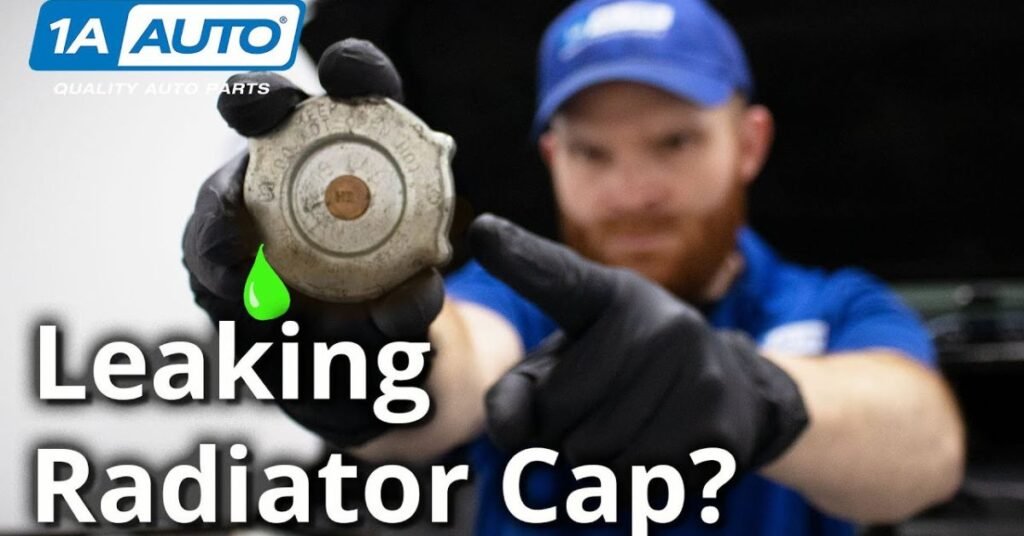
Diagnosing a coolant cap leak starts with a visual check. Look for wet spots around the cap, puddles under the car, or signs of dried coolant residue. A loose or damaged cap is often easy to spot, but small leaks may require closer inspection.
You can also monitor engine performance. If the engine overheats, coolant levels drop quickly, or steam appears near the radiator, the cap may be the problem. Pressure testing the cooling system is another way to confirm a leak safely. Catching a faulty cap early can prevent bigger engine problems.
Coolant Cap vs Other Coolant Leak Sources
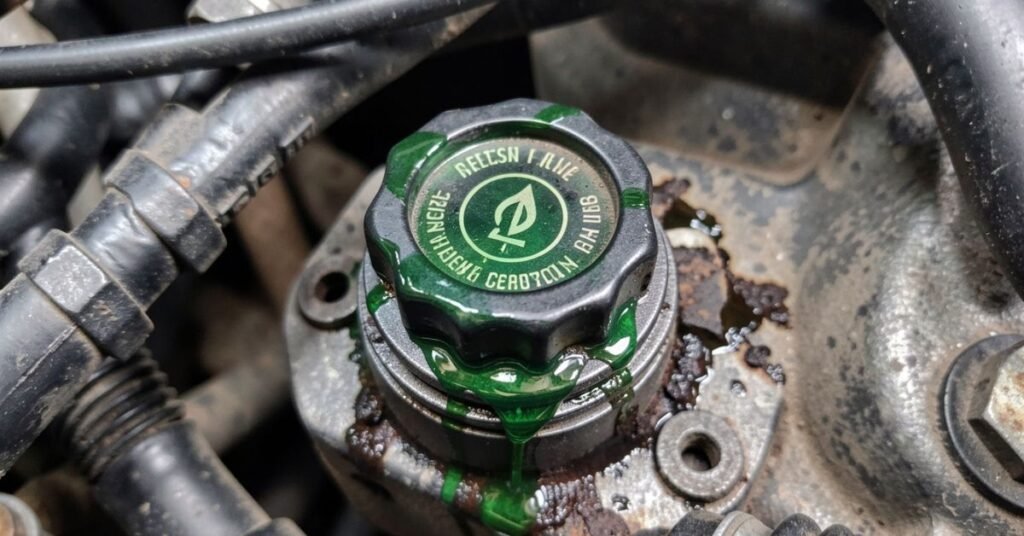
Not all coolant leaks come from the radiator cap. Leaks can also happen from hoses, the radiator, or the engine itself. It’s important to identify the source before replacing parts. A small leak from the cap is easier to fix than a leak from a hose or gasket.
Comparing the cap to other sources helps you understand the problem. Coolant cap leaks usually happen at the top, while hose or gasket leaks show wet spots elsewhere. Knowing the difference saves time, money, and prevents bigger engine damage.
Coolant Leak Sources, Symptoms, and Actions Table
| Leak Source | Common Signs | How to Check | Recommended Action |
| Radiator Cap | Coolant around cap, engine overheating | Inspect cap, check for cracks | Replace cap; pressure test system |
| Hoses | Wet spots along hose, cracks, bulges | Squeeze hoses, look for leaks | Replace damaged hoses; tighten clamps |
| Radiator | Coolant dripping underneath, corrosion | Visual inspection, check seams | Repair or replace radiator |
| Water Pump | Puddles near engine front, whining noise | Check for leaks at pump seal | Replace water pump if leaking |
| Head Gasket | White smoke, milky oil, overheating | Compression test, check oil | Professional repair required |
| Heater Core | Sweet smell inside car, wet carpets | Inspect under dashboard | Replace heater core |
| Thermostat | Engine overheating, fluctuating temp | Remove and test thermostat | Replace thermostat if faulty |
DIY vs Professional Repair: When to Seek Help
Some coolant cap leaks are easy to fix at home. If the problem is just a worn or loose cap, you can replace it yourself. Make sure the engine is cool before opening the cap to avoid burns. Small leaks, low pressure, or minor drips are often DIY-friendly.
Other problems need professional attention. If the leak is large, the engine is overheating, or there’s damage to hoses or the radiator, a mechanic should handle it. Professionals can perform pressure tests and check the entire cooling system. Knowing when to seek help can save time, money, and prevent engine damage.
Replacing the Coolant Cap: Step‑by‑Step
Replacing a coolant cap is simple and safe if the engine is cold. First, make sure the car is parked on a flat surface and the engine has cooled down completely.
- Remove the old cap by turning it counterclockwise
- Inspect the cap and radiator neck for cracks or debris
- Install the new cap by pressing it down and turning clockwise until tight
This quick fix can stop leaks and restore proper pressure in the cooling system. Always double-check that the new cap fits correctly before driving.
Preventing Coolant Leaks Maintenance Tips
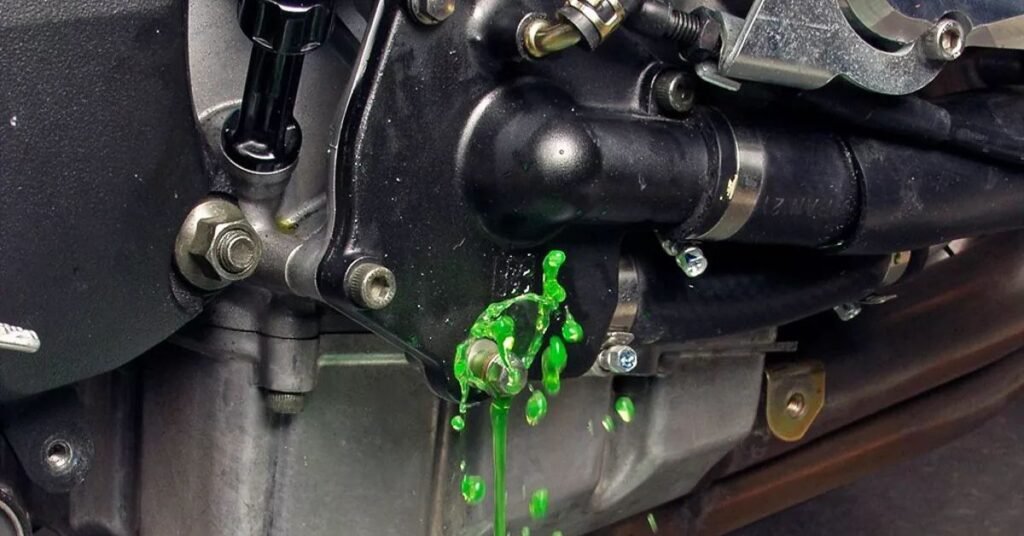
Regular maintenance can prevent most coolant leaks and keep your engine healthy. Checking your radiator cap and coolant levels often helps spot problems early.
- Inspect the cap for cracks, corrosion, or worn seals
- Keep coolant at the recommended level and use the correct mixture
- Check hoses, radiator, and connections for signs of leaks
Simple, consistent checks can save you from expensive repairs and engine damage. Prevention is always better than emergency fixes.
Conclusion
A leaking coolant cap may seem small, but it can cause serious engine problems if ignored. Checking your radiator cap, coolant level, and cooling system regularly is important. Early detection can prevent overheating, costly repairs, and engine damage. Even small leaks are a warning that your car needs attention.
By understanding the causes, symptoms, and fixes of a coolant cap leak, you can act quickly. Some problems are easy to fix at home, while others need a professional mechanic. Simple maintenance and timely repairs keep your engine safe and your car running smoothly for years. Paying attention to your coolant system saves time, money, and stress.
FAQs
1. Why is my coolant leaking from the radiator cap?
Coolant can leak if the radiator cap is worn, cracked, or not holding pressure. High system pressure or corrosion can also force coolant out. Replacing the cap usually fixes minor leaks.
2. Can I drive my car if the coolant is leaking from the cap?
It’s not safe to drive for long with a leaking cap.Overheating of the engine can cause serious damage.. Short trips may be okay, but repair it as soon as possible.
3. How do I know if the radiator cap is faulty?
Look for coolant around the cap, steam, or a sweet smell near the engine. Overheating or frequent coolant refills are also signs of a bad cap. Pressure testing can confirm the problem.
4. Can I fix a leaking coolant cap myself?
Yes, small leaks from a worn or loose cap can be fixed at home. Always make sure the engine is cold before replacing the cap. Bigger issues like hose or radiator leaks need a mechanic.
5. How can I prevent coolant leaks in the future?
Regularly check your radiator cap, hoses, and coolant level. Use the correct coolant type and replace worn parts. Small, consistent maintenance avoids expensive repairs and engine damage.
