

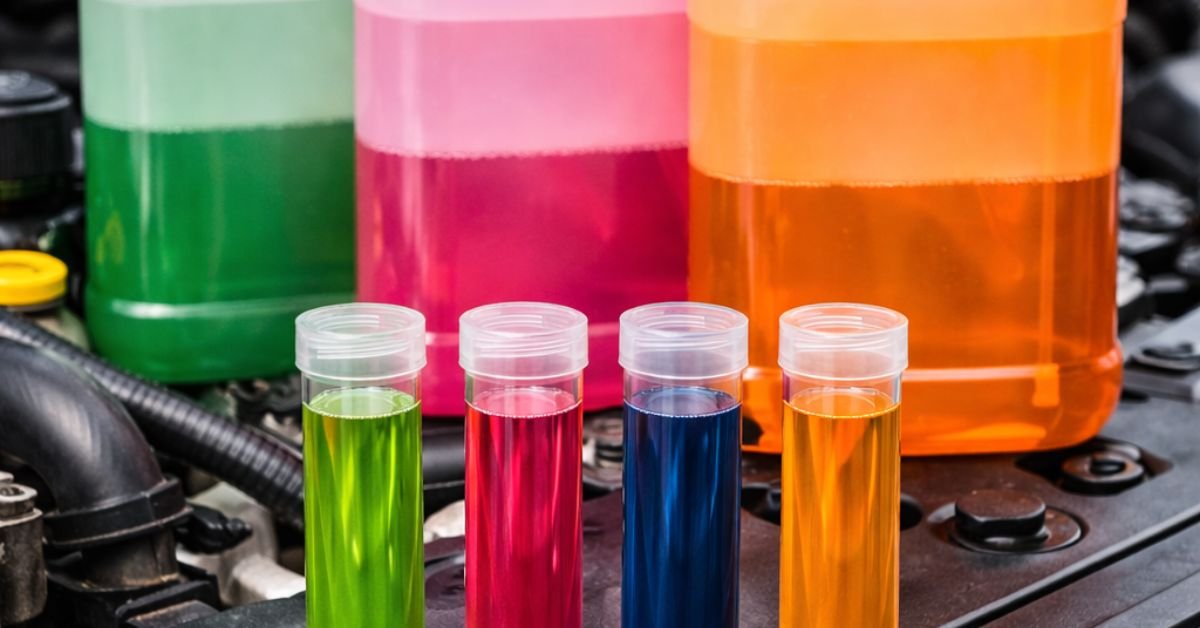
Introduction:
Coolant is a liquid that keeps your car engine cool. It flows through the engine to stop it from overheating. Without coolant, your engine can get damaged quickly.
Many car owners notice different coolant colors and get confused. Is green better than red? Can orange mean a problem? Understanding the color can save you from costly repairs.
Coolant comes in many colors, like green, red, pink, or orange. Each color shows the type and condition of the coolant. In this guide, we will explain what the colors mean and why it matters for your car.
What Color Is Coolant in Most Cars?
Most cars use coolant that comes in bright colors. These colors help identify the type and condition of the fluid. Knowing the color can prevent engine damage. Common colors you may see are:
- Green – Most common in older cars.
- Orange – Often found in newer cars with long-life coolant.
- Pink or Red – Usually for high-performance or specific vehicles.
- Blue – Less common, used in some Japanese cars.
Coolant color can also show problems. Dark or rusty coolant may mean it’s old or contaminated. Mixing the wrong colors can reduce its effectiveness. Always check your car manual before adding coolant.
Common Coolant Colors (Green, Orange, Pink, Blue)
Coolant comes in different colors to help identify its type and lifespan. Each color shows the kind of engine protection it provides. Knowing the color helps you avoid engine damage.
| Coolant Color | Common Use | Lifespan | Notes |
| Green | Older cars | 2–3 years | Most basic type, widely used. |
| Orange | Newer cars | 4–5 years | Long-life coolant, good for modern engines. |
| Pink/Red | European & high-performance cars | 3–5 years | Often used in cars with aluminum engines. |
| Blue | Some Japanese cars | 3–4 years | Less common, specific for certain engines. |
Coolant color can also indicate problems. Dark or rusty coolant may mean it’s old or contaminated. Always use the color recommended in your car manual.
Why Engine Coolant Comes in Different Colors
Engine coolant comes in different colors to show its type and formula. Each color tells you what chemicals are inside. This helps mechanics and car owners choose the right coolant. Different colors also indicate how long the coolant will last before it needs changing.
Colors prevent mistakes when adding or mixing coolant.The engine can be damaged if the wrong type is used.. Some coolants are made for aluminum engines, others for older engines. Always check the car manual and follow the color guide to keep your engine safe and healthy.
What Do Different Coolant Colors Mean?
Coolant colors are more than just looks. They show the type of coolant and how it protects your engine. Each color has a special formula for different cars. Knowing the meaning can prevent engine damage and costly repairs.
| Coolant Color | Meaning | Common Use | Lifespan | Notes |
| Green | Standard coolant | Older cars | 2–3 years | Basic protection, widely available. |
| Orange | Long-life coolant | Newer cars | 4–5 years | Better for modern engines, reduces corrosion. |
| Pink/Red | High-performance or European | European & performance cars | 3–5 years | Often used in aluminum engines. |
| Blue | Specific formula | Some Japanese cars | 3–4 years | Not widely used, check manufacturer guide. |
| Yellow | Hybrid or special coolant | Certain vehicles | 3–4 years | Rare, often for trucks or heavy-duty engines. |
Different colors also show the coolant’s condition. Dark, cloudy, or rusty colors mean it may need changing. Always use the right color and check your car manual to stay safe.
Types of Engine Coolant and Their Colors
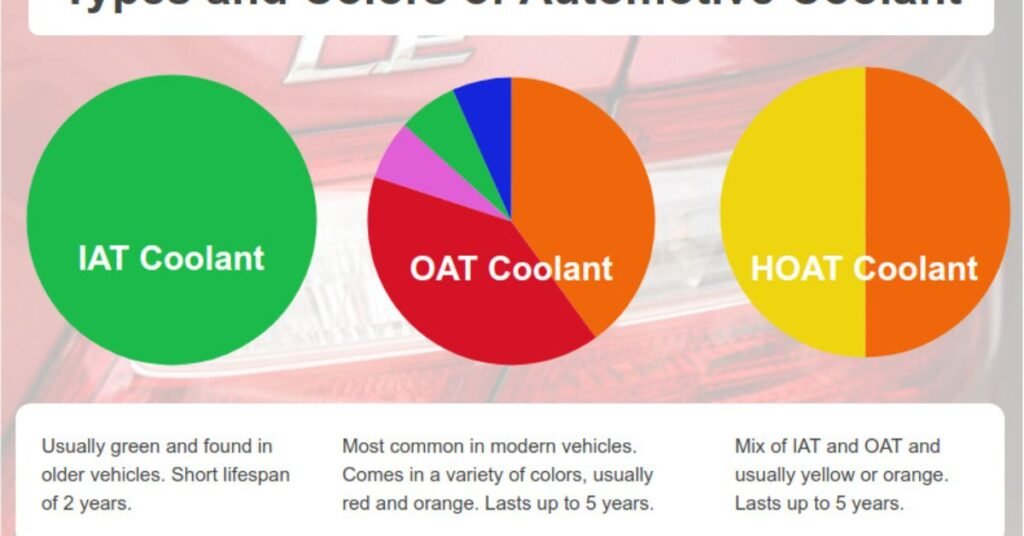
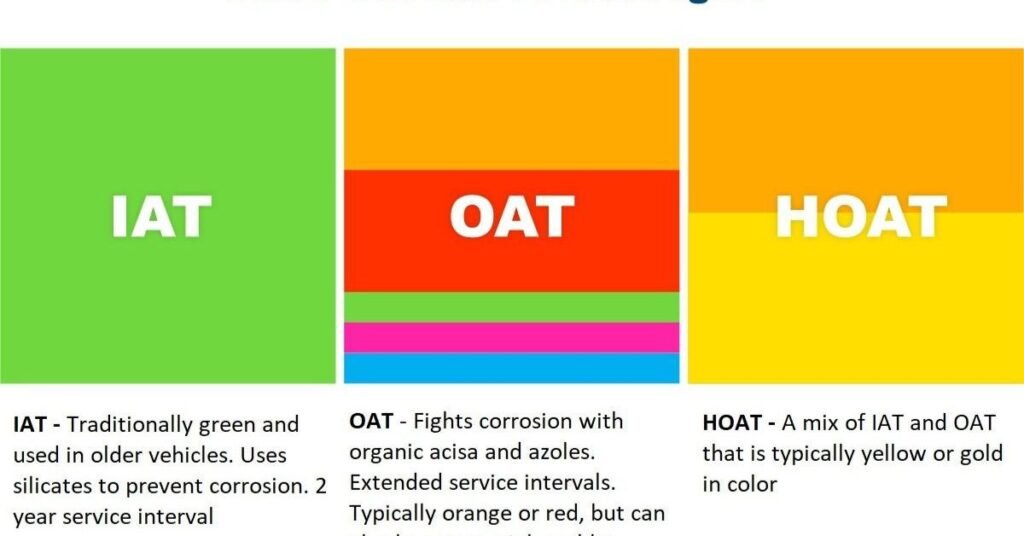
Engine coolant comes in different types for different cars. Each type has its own color to make it easy to identify. The main types are inorganic additive coolant (IAT), organic acid coolant (OAT), and hybrid organic acid coolant (HOAT). Using the right type keeps your engine safe and prevents corrosion.
- IAT (Green): Found in older cars. Needs frequent changing.
- OAT (Orange or Pink): Long-life coolant for modern cars.
- HOAT (Yellow or Blue): A mix of both, used in some European or Asian cars.
Each coolant type works differently. Mixing the wrong types can reduce protection. Always check your car manual before adding coolant to avoid engine problems.
IAT Coolant (Typically Green)
IAT coolant is the oldest type of engine coolant. It is usually green in color. This coolant uses simple chemicals to protect the engine from rust and corrosion. It is common in older cars. IAT coolant needs to be changed more often, usually every 2–3 years. Regular maintenance is important to keep the engine safe.
OAT Coolant (Usually Orange or Red)
OAT coolant is designed for modern cars. It is usually orange or red. This type uses organic chemicals that last longer than green coolant. OAT protects the engine and reduces corrosion over time. Most newer vehicles use this type. It can last up to 5 years before replacement is needed.
HOAT Coolant (Yellow, Blue, or Turquoise)
HOAT coolant is a hybrid of IAT and OAT types. It comes in yellow, blue, or turquoise colors. HOAT combines the benefits of both types, giving long-life protection. It is often used in European and some Asian cars. This coolant protects the engine from rust and overheating. It usually lasts 4–5 years with proper care.
Can You Mix Different Coolant Colors?
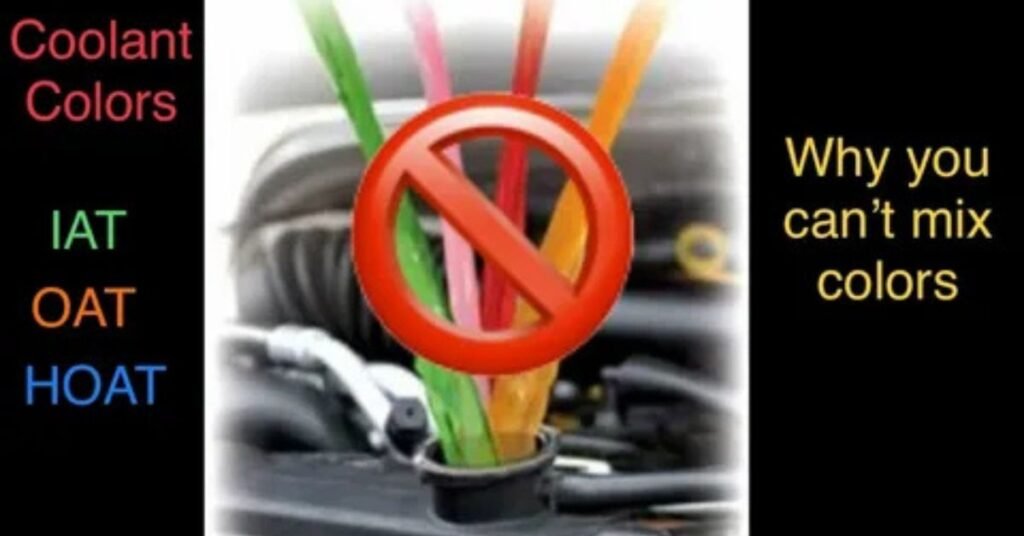
Mixing different coolant colors is not recommended. Different colors often mean different chemical formulas. Mixing them can reduce protection and cause engine damage. Some coolants may react and form sludge. This can block coolant flow and lead to overheating.
If you must add coolant, follow these tips:
- Check your car manual for the recommended type and color.
- Never mix IAT, OAT, and HOAT unless the manufacturer allows it.
- Flush the system first if you need to switch coolant types.
- Use the same color when topping up to keep protection consistent.
Always be careful with coolant. Using the wrong mix can shorten engine life and cause costly repairs.
What Coolant is Right for Your Car?
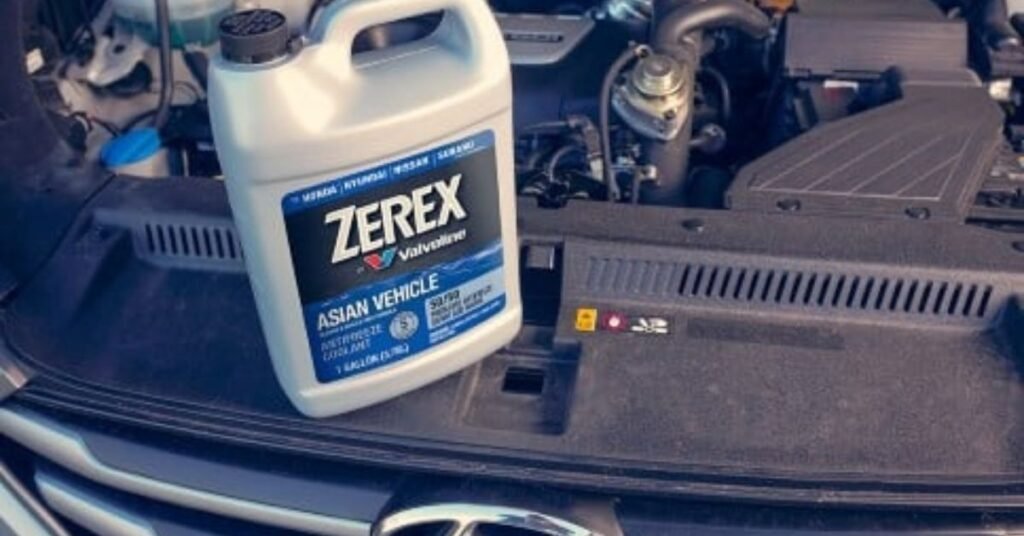
Choosing the right coolant is important for your engine’s health. Using the wrong type can cause corrosion, overheating, or engine damage. Coolants differ by color, type, and chemical formula. Always check your car’s manual before buying or adding coolant.
Here are some tips to pick the right one:
- Check your car manual for the recommended coolant type and color.
- Consider your car’s age – older cars often use green IAT, newer cars may need OAT or HOAT.
- Look at lifespan – long-life coolants last longer and reduce maintenance.
- Avoid mixing types unless the manufacturer allows it.
- Inspect old coolant – replace if it looks rusty, dark, or cloudy.
Choosing the correct coolant keeps your engine safe, saves money, and prevents breakdowns. Regular checks make sure your car runs smoothly.
Signs Your Car Coolant Needs to Be Replaced
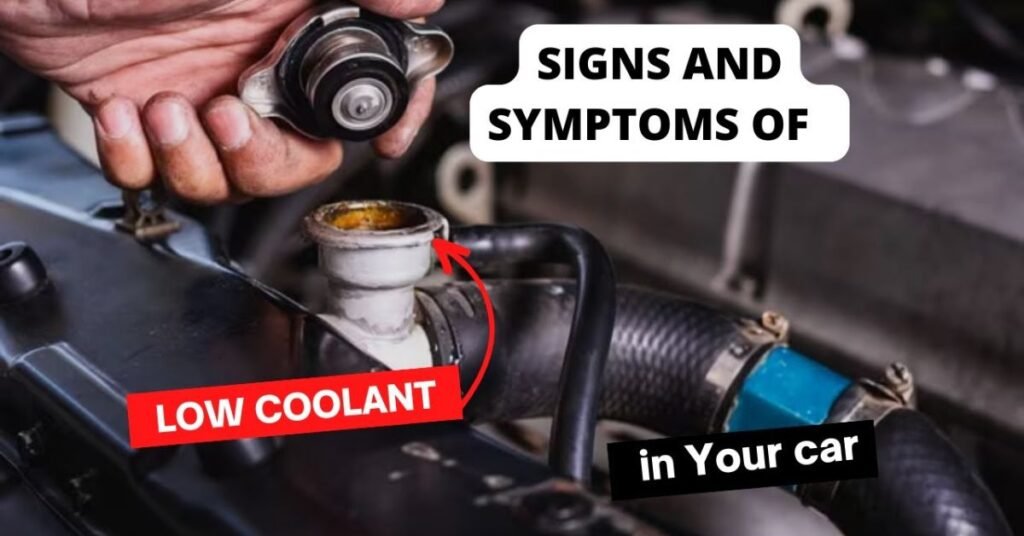
- Coolant looks dark or rusty – Fresh coolant is bright in color. Dark or brown coolant means it is old and dirty.
- Engine overheating often – If the temperature gauge rises quickly, the coolant may not be working properly.
- Sweet smell from the engine – A sweet smell can mean coolant is leaking or burning.
- Low coolant level frequently – If you keep adding coolant, there may be a leak or the coolant is worn out.
- Visible particles in the coolant – Dirt or small particles in the coolant show contamination.
- Steam from the radiator area – Steam can be a sign the coolant is failing to control engine heat.
- Heater not working properly – Weak or no heat from the car heater may indicate old or low coolant.
- Sludge in the coolant reservoir – Thick or muddy coolant shows it has lost its protective quality.
How to Check Coolant Color in Your Car Safely
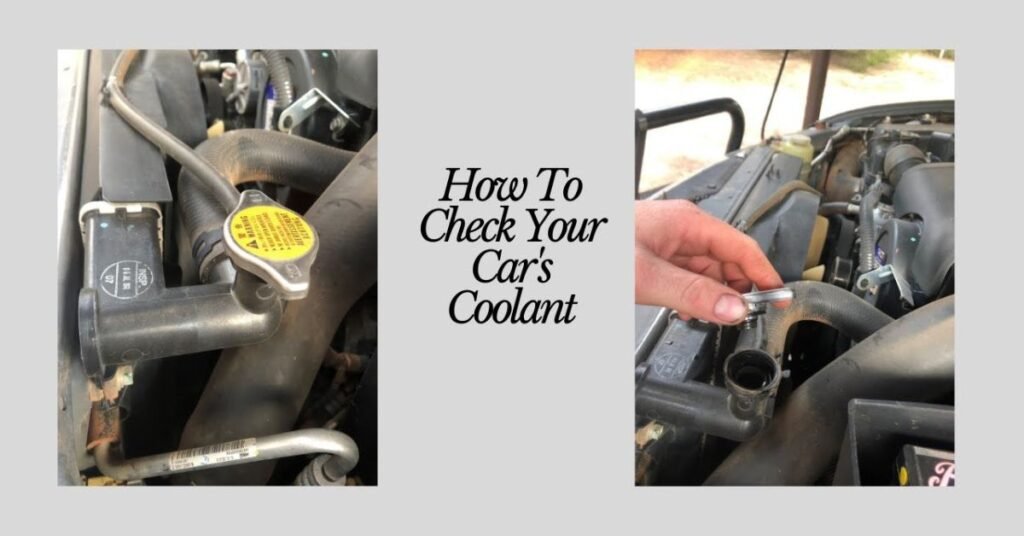
- When the engine is hot, never open the radiator cap.
- Open the coolant reservoir carefully – Check the level and color through the translucent tank.
- Look at the coolant color – Bright green, orange, pink, or blue shows it is healthy. Dark or rusty color may mean it needs changing.
- Use a clean container if needed – For a closer look, drain a small amount into a clear cup.
- Avoid touching the coolant – It can be toxic and harmful to skin.
- Check for particles or sludge – Small chunks or cloudiness show contamination.
- Compare with your car manual – Ensure the color matches the recommended type for your vehicle.
- Top up carefully if low – Use the same type and color as recommended to avoid mixing issues.
Conclusion
Coolant is very important for your car’s engine. It keeps the engine cool and stops it from overheating. Using the right type and color protects your engine from rust, corrosion, and other damage. Checking the coolant regularly can save you from costly repairs and sudden breakdowns.You can also expect your car to last longer and perform better with it.
Different colors of coolant show different formulas and lifespans. Green, orange, pink, blue, and yellow all have their own uses and benefits. Never mix the wrong colors, as this can reduce protection and harm the engine. Always follow your car manual and use the recommended type. Regular checks, proper topping up, and timely replacement make sure your engine stays healthy, your car runs smoothly, and your journeys remain safe and worry-free.
FAQs
1. What color should coolant be in a healthy car?
A healthy coolant is usually bright green, orange, pink, blue, or yellow depending on the type. Clear, bright color shows it’s fresh and working well, while dark or rusty coolant means it’s old or contaminated.
2. Can I mix different coolant colors safely?
Mixing different colors is not recommended. Different colors often have different chemicals, and combining them can reduce engine protection or create sludge. Always stick to the color and type your car manual recommends.
3. How often should I check my coolant?
Coolant should be checked at least once a month or before long trips. Regular checks help spot leaks, low levels, or color changes early, preventing engine overheating and costly repairs.
4. How do I know if my coolant needs replacing?
Signs include dark or rusty color, engine overheating, sweet smell, or sludge in the reservoir. If you notice any of these, it’s time to flush and replace the coolant to protect your engine.
5. Why do cars use different coolant colors?
Different colors indicate different chemical formulas, lifespans, and engine compatibility. This helps prevent mistakes and ensures your engine gets the right protection for its type and age.
