


Introduction:
In addition to protecting metal parts from corrosion and rust, it also inhibits the growth of bacteria.. You may notice that coolant comes in different colors, especially orange and green.
But many drivers get confused when choosing between them. Is color just for looks, or does it mean something important? Using the wrong coolant can cause engine damage and expensive repairs. That’s why it’s important to understand the real difference.
In this guide about antifreeze orange vs green, we will compare both types in simple terms. You will learn how they work, how long they last, and which one is better for your car. By the end, you will know exactly which coolant your vehicle needs.
What Is Antifreeze and Why Does Color Matter?
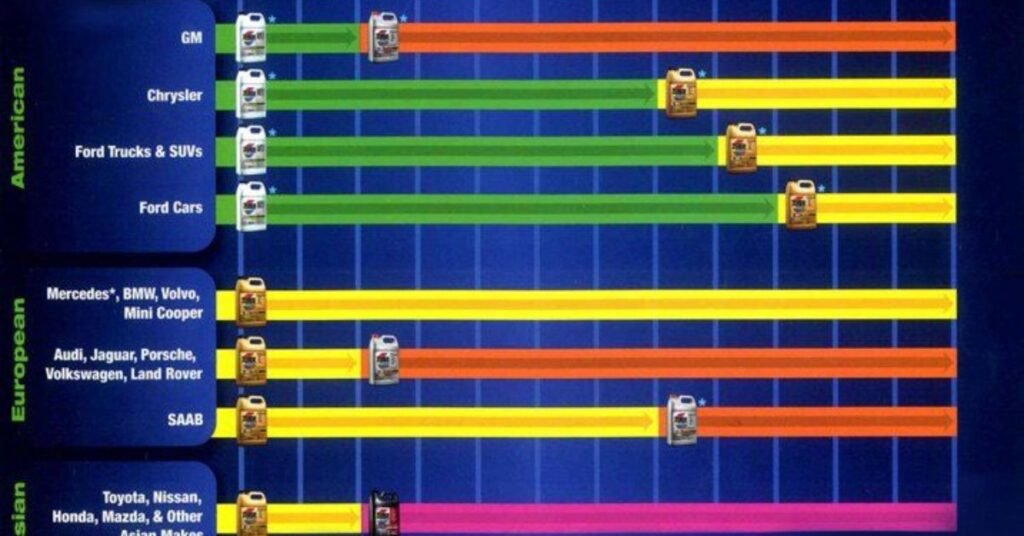
Antifreeze is a special liquid that flows through your car’s engine. It helps control temperature in both hot and cold weather. In winter, it stops the engine from freezing. In summer, it prevents overheating. It also protects metal parts from rust and damage. Without antifreeze, your engine can fail very quickly.
Many people think the color is just for style, but it actually means something important. The color often shows a different chemical formula inside the coolant. Orange and green antifreeze are made with different technologies. They protect engines in different ways and have different lifespans. So, the color helps you choose the right coolant for your vehicle.
The Role of Coolant in Your Engine
Coolant moves through the engine while the car is running. It absorbs heat from the engine parts. Then it carries that heat to the radiator to cool down. A safe temperature is maintained by this process.. Without coolant, the engine can overheat very fast.
Coolant also protects the inside of the engine. It prevents rust, corrosion, and scale buildup. It keeps rubber seals and metal parts in good condition. In cold weather, it stops the liquid inside from freezing. In hot weather, it helps avoid boiling. That is why coolant is so important for a healthy engine.
Does Coolant Color Indicate Performance?
Many people think coolant color shows how strong or powerful it is. This is not completely true. The color does not directly tell you the performance level. It usually shows the type of formula used inside the coolant. Different colors often mean different chemical technologies.
However, color can still give you helpful clues. Orange and green coolants are made for different engine types and service intervals. Using the correct one matters more than the color itself.
Here’s what coolant color can indicate:
- Different chemical formulas (OAT vs IAT)
- Different lifespan and change intervals
- Different compatibility with engine materials
- Different protection levels for modern or older cars
Always check your owner’s manual before choosing coolant. Color is a guide, but manufacturer recommendations are more important.
What Is Orange Antifreeze?
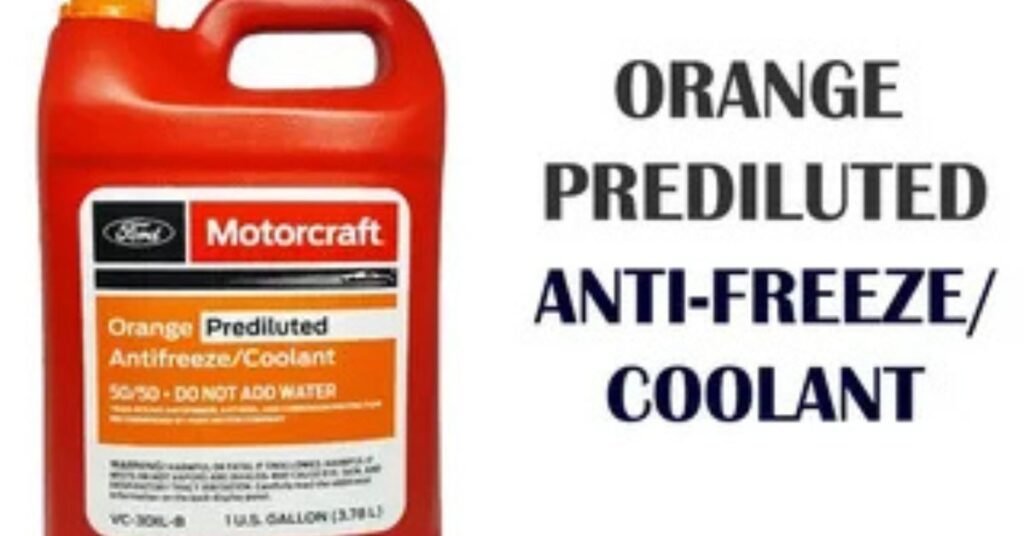
Orange antifreeze is a type of coolant made with modern technology. It is also called OAT, which stands for Organic Acid Technology. This coolant is designed for newer cars and engines. It lasts longer than traditional green coolant and protects metal parts very well.
Orange antifreeze helps prevent rust, corrosion, and overheating. It works especially well with aluminum engines. Unlike older coolants, it does not need frequent changing. Using the right orange antifreeze keeps your engine healthy and running smoothly for years.
How Organic Acid Technology Works
Organic Acid Technology, or OAT, uses special chemicals to protect your engine. These chemicals form a thin layer on metal surfaces inside the engine. This layer stops rust and corrosion from forming. It also helps prevent leaks and damage over time.
OAT coolants like orange antifreeze are long-lasting. They maintain protection for several years without needing frequent changes. The technology works quietly in the background, keeping your engine safe in both hot and cold weather. It is especially good for modern cars with aluminum parts.
Benefits of Orange Coolant for Modern Vehicles
- Longer lifespan than traditional green coolant
- Excellent protection against rust and corrosion
- Ideal for aluminum engines and modern car materials
- Reduces the need for frequent coolant changes
- Helps prevent engine overheating in hot weather
- Maintains performance in freezing cold conditions
- Compatible with newer car seals and gaskets
What Is Green Antifreeze?
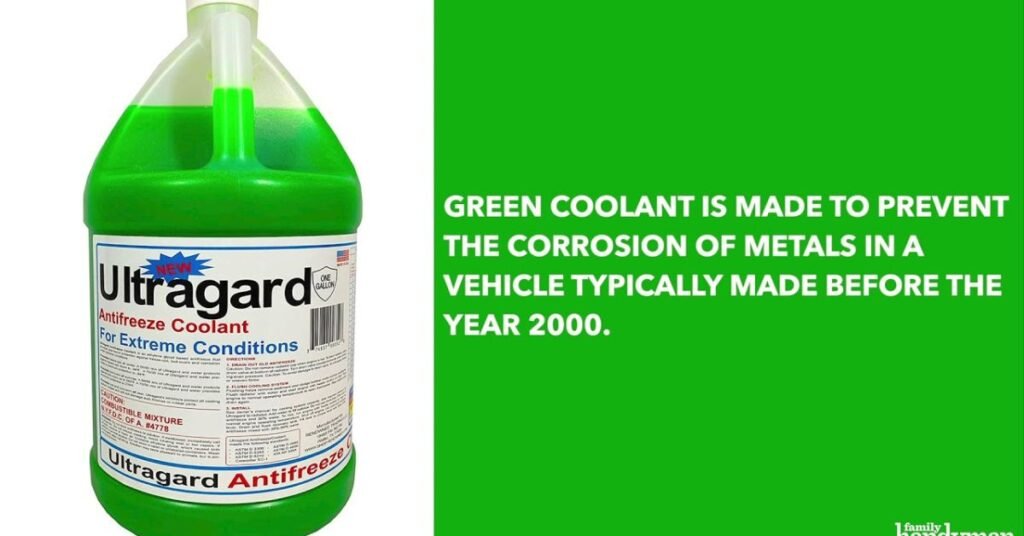
Green antifreeze is the traditional type of coolant for cars. It is also called IAT, which stands for Inorganic Additive Technology. This coolant has been used in vehicles for many years. It protects the engine from rust, corrosion, and overheating.
Green antifreeze works well in older cars and engines. It has a shorter lifespan than orange coolant, so it needs to be replaced more often. It is usually safe for steel and cast-iron engine parts. Using the correct green antifreeze keeps older engines running smoothly.
How Inorganic Additives Protect the Engine
Inorganic additives in green antifreeze protect metal parts inside the engine. They form a thin layer on steel and cast-iron surfaces. This layer stops rust and corrosion from forming. It also prevents scale buildup that can block coolant flow.
These additives help keep the engine cool and safe. They work well in older engines with traditional materials. Green antifreeze with inorganic additives needs regular changing to stay effective. Using it properly ensures the engine lasts longer and runs smoothly.
Why Green Coolant Is Common in Older Cars
- Designed for older engines with steel and cast-iron parts
- Uses traditional inorganic additives for rust and corrosion protection
- Shorter lifespan fits older maintenance schedules
- Compatible with older rubber seals and gaskets
- Easier to find at most auto stores for classic cars
- Proven track record in engines made before modern materials
- Simple formula reduces risk of chemical reactions with old engine components
Antifreeze Orange vs Green: Key Differences
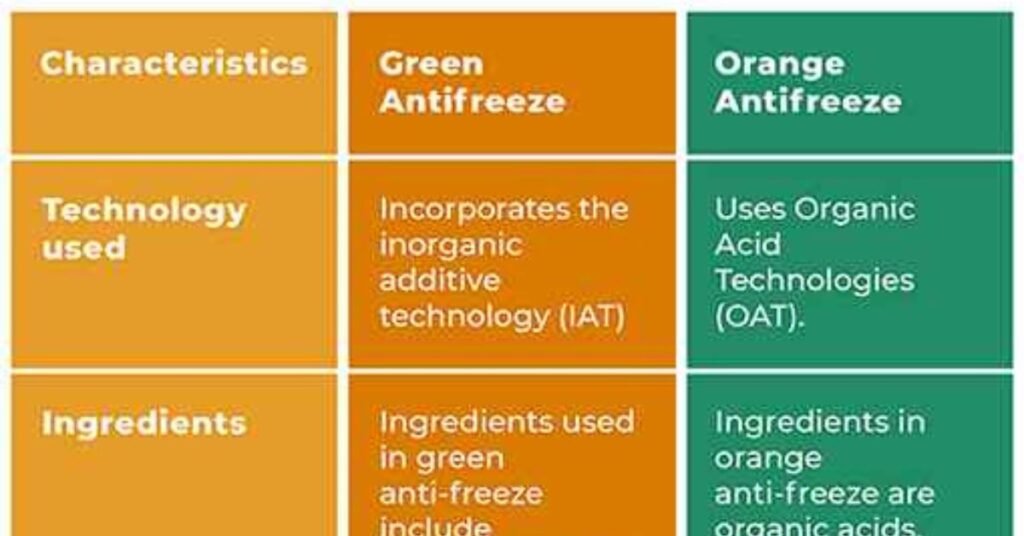
Orange and green antifreeze look different, but the color shows more than style. They use different chemical formulas. Orange coolant uses Organic Acid Technology (OAT), while green uses Inorganic Additives (IAT). This affects lifespan, engine protection, and maintenance. Choosing the wrong type can cause engine damage or corrosion.
Here’s a clear comparison in a table format to make it simple:
| Feature | Orange Antifreeze (OAT) | Green Antifreeze (IAT) |
| Technology | Organic Acid Technology | Inorganic Additive Technology |
| Engine Type | Modern cars, aluminum engines | Older cars, steel/cast-iron engines |
| Lifespan | 5 years / 150,000 miles | 2–3 years / 30,000–50,000 miles |
| Corrosion Protection | Excellent for aluminum and modern metals | Good for steel and cast iron |
| Maintenance | Less frequent changes | Needs regular replacement |
| Color | Bright orange | Green |
| Compatibility | Not ideal for older engines | Works well with older engines |
| Cooling Efficiency | High for modern engines | Adequate for older engines |
| Cost | Slightly higher | Usually cheaper and widely available |
This table makes it easy for drivers to see the main differences at a glance. It also helps pick the right coolant for your car.
Lifespan and Replacement Interval
Orange and green antifreeze last different amounts of time. Orange coolant usually lasts 5 years or 150,000 miles. Green coolant lasts shorter, around 2–3 years or 30,000–50,000 miles. Using the right type helps avoid engine problems and costly repairs.
Replacement intervals are important to follow. Modern cars with orange antifreeze need fewer flushes. Older cars with green coolant need regular changes to stay effective. Always check your owner’s manual to know the correct schedule. Following it keeps the engine running smoothly and safe.
Corrosion Protection and Engine Compatibility
| Feature | Orange Antifreeze | Green Antifreeze |
| Engine Protection | Excellent for aluminum and modern metals | Good for steel and cast-iron engines |
| Rust Prevention | Strong, long-lasting | Moderate, needs regular replacement |
| Material Compatibility | Modern seals, gaskets, and alloys | Older rubber seals and metal parts |
| Best For | New cars, high-tech engines | Older cars, traditional engines |
| Maintenance Needs | Low, change every 5 years | High, change every 2–3 years |
| Overheating Protection | Very good for hot climates | Adequate for normal conditions |
Can You Mix Orange and Green Antifreeze?

Mixing orange and green antifreeze is not recommended. The two coolants use different chemical formulas. When combined, they can form a gel-like substance. This can block coolant flow and cause the engine to overheat.
Even a small amount of mixing can be harmful. It may reduce corrosion protection and damage seals and gaskets. Always flush the old coolant completely before switching types. Using the right coolant ensures your engine stays safe and lasts longer.
What Happens When You Mix Different Coolants
- Chemicals can react and form a thick gel
- Coolant flow in the engine can get blocked
- Engine may overheat quickly
- Corrosion protection decreases
- Rubber seals and gaskets can get damaged
Signs of Coolant Contamination
- Brown or muddy coolant color
- Sludge or particles in the radiator or reservoir
- Engine overheating even with enough coolant
- Strange smells from the radiator or engine
- Reduced cooling efficiency in hot or cold weather
Which Coolant Should You Use for Your Car?
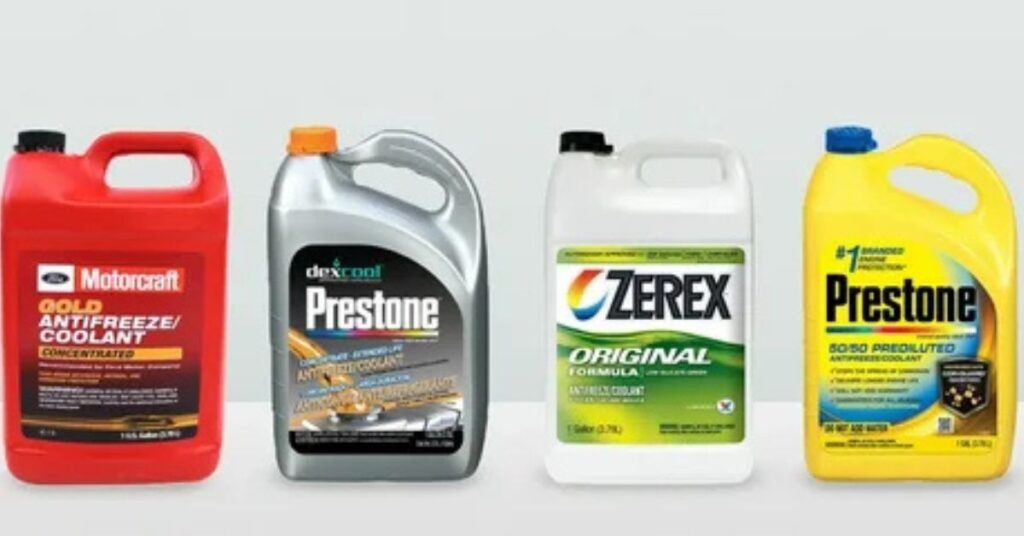
The best coolant for your car depends on the make and model. Every vehicle is designed for a specific type of antifreeze. Some modern cars require orange coolant, while many older cars use green coolant. Using the wrong one can reduce protection and cause engine problems.
Always check your owner’s manual before choosing coolant. You can also look at the label on your current coolant reservoir. Ask a trusted mechanic if you are unsure.. Choosing the correct coolant keeps your engine safe, clean, and running at the right temperature.
Checking Your Owner’s Manual
Your owner’s manual is the best guide for your car’s coolant. It tells you the exact type and color of antifreeze recommended by the manufacturer. It also explains the right mixture ratio and replacement intervals.
Checking the manual helps avoid mistakes like using the wrong coolant. It can save you from engine damage and costly repairs. Always follow the instructions carefully. This ensures your car runs smoothly and stays protected for years.
Choosing the Right Coolant for Your Engine Type
- Check if your engine is modern or older
- Use orange coolant (OAT) for newer cars with aluminum parts
- Use green coolant (IAT) for older cars with steel or cast-iron engines
- Follow manufacturer recommendations in the owner’s manual
- Avoid mixing different types of coolant
- Consider climate: some coolants handle extreme heat or cold better
- Replace coolant according to the recommended interval for your engine type
How Often Should You Change Antifreeze?
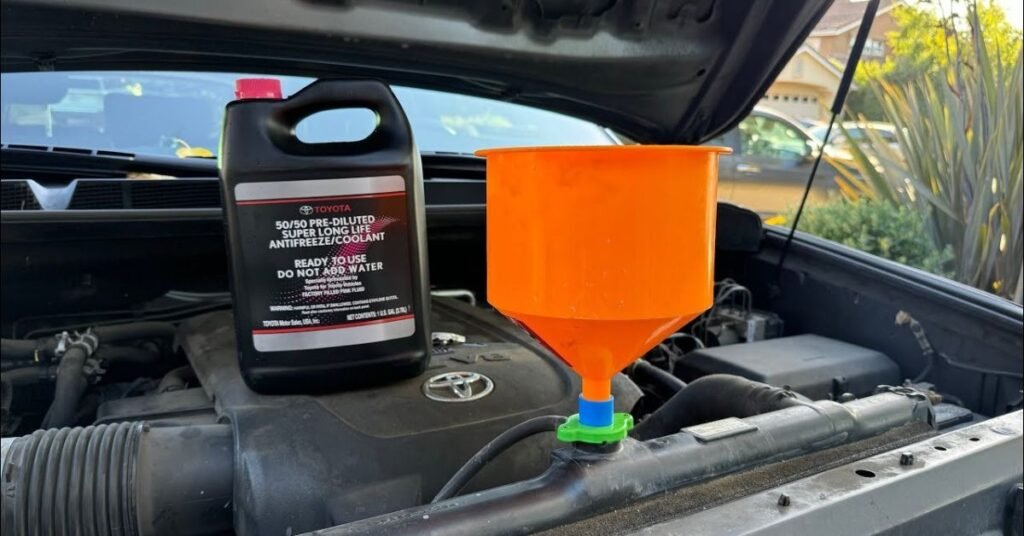
The frequency of changing antifreeze depends on its type and your car. Orange coolant usually lasts 5 years or 150,000 miles. Green coolant lasts shorter, about 2–3 years or 30,000–50,000 miles. Using old coolant can reduce engine protection and cause corrosion.
Regular checks are important. Look at the coolant color and level in the reservoir. If it looks dirty or rusty, it’s time to change it. Always follow your owner’s manual schedule. Proper maintenance keeps your engine safe and running smoothly.
Recommended Service Intervals
- Orange coolant: change every 5 years or 150,000 miles
- Green coolant: change every 2–3 years or 30,000–50,000 miles
- Check coolant level at least once a month
- Inspect for color changes or debris in the reservoir
- Flush the system when switching coolant types
- Follow the manufacturer’s recommended schedule in the owner’s manual
- Regular service helps prevent engine overheating and corrosion
When to Perform a Coolant Flush
You should perform a coolant flush when your antifreeze is old or dirty. Over time, coolant loses its protective chemicals. This can lead to rust, corrosion, and engine overheating. A flush removes old coolant and deposits, keeping the system clean.
Other signs you need a flush include brown or muddy coolant, sludge in the radiator, or unusual engine temperatures. It’s also necessary when switching from green to orange coolant or vice versa. Regular flushing helps your engine last longer and keeps it running efficiently.
Common Myths About Orange vs Green Antifreeze
Many people believe coolant color is only for looks. This is not true. The color actually shows the type of chemical formula inside. Another myth is that all coolants are interchangeable. Mixing the wrong types can damage your engine.
Here’s a table that clears up some common myths:
| Myth | Reality |
| Color shows strength or performance | Color mainly indicates chemical type (OAT vs IAT) |
| All coolants can be mixed | Mixing orange and green can form gel and block the engine |
| Green is always better because it’s traditional | Orange offers better protection for modern engines |
| You don’t need to follow the manufacturer’s recommendation | Make sure you use the type recommended in your owner’s manual |
| Longer-lasting coolant is always more expensive | Orange coolant lasts longer but prevents costly engine damage |
| Old engines can’t use orange coolant | Some modern formulas are compatible with older engines if flushed properly |
This table helps drivers understand what’s true and what’s false about orange and green antifreeze. It makes choosing the right coolant easier and safer.
Is Color the Only Difference?
No, color is not the only difference between orange and green antifreeze. The main difference is in the chemical formula. Orange coolant uses Organic Acid Technology (OAT), while green uses Inorganic Additives (IAT). This affects engine protection, lifespan, and maintenance needs.
The color helps identify the type, but it doesn’t show performance or quality. Two coolants of the same color can still have different formulas. Always follow your manufacturer’s recommendation. Choosing the right type keeps your engine safe and running efficiently.
Are All Coolants Universally Compatible?
- Not all coolants can be mixed safely
- Orange (OAT) and green (IAT) use different chemicals
- Mixing them can cause gel formation and engine blockages
- Some coolants are designed only for modern engines
- Older engines may need traditional green coolant
- Always check the owner’s manual before adding coolant
- Using the wrong type can reduce protection and cause costly damage
Conclusion
Choosing the right coolant is very important for your car. Orange and green antifreeze have different formulas, lifespans, and engine protections. Using the wrong type can cause overheating, corrosion, or damage to engine parts.
Always follow your owner’s manual and check the recommended type for your car. Regular maintenance, timely replacement, and avoiding mixing coolants keep your engine safe. Picking the correct coolant helps your car run smoothly and last longer.
FAQs
1. What is the difference between orange and green antifreeze?
Orange antifreeze uses Organic Acid Technology (OAT), while green uses Inorganic Additives (IAT). The difference affects lifespan and engine protection. Choosing the right one depends on your car type.
2. Can I mix orange and green antifreeze?
No, mixing them can cause a gel to form and block the engine. It reduces corrosion protection and may damage seals. Always flush the system before switching types.
3. How often should I change my coolant?
Orange coolant lasts about 5 years or 150,000 miles. Green coolant lasts 2–3 years or 30,000–50,000 miles. Regular replacement prevents corrosion and overheating.
4. Does coolant color affect performance?
Color mainly shows the type of formula, not power or performance. Orange and green protect engines differently. Make sure you choose the right type for your vehicle.
5. Which coolant is better for modern cars?
Orange coolant is best for modern engines with aluminum parts. Green works well for older cars with steel or cast-iron engines. Following manufacturer recommendations keeps your engine safe.
