


Introduction:
WD-40 Company makes a multi-use spray that helps loosen rusted parts and stop moisture problems. The term “wd 40 freeze point” means the temperature where the spray may stop flowing or working properly. People often ask about this when they live in very cold areas. It helps them know if the product will still spray and protect parts in winter.
Have you ever tried to use a spray can in freezing weather and nothing came out? That can be frustrating and can delay your work. Cold temperatures can change how pressurized cans behave. That is why understanding wd 40 freeze point cold weather use is important before winter starts.
In this topic, you will learn how WD-40 reacts in low temperatures and how to store and use it correctly. We will also look at simple tips to keep it effective in cold weather. This helps you avoid waste and get better results from every spray.
What Is the Freeze Point of WD-40?
WD-40 Company does not list a single exact freeze point like water or antifreeze. That is because WD-40 is a mix of oils and solvents, not one pure liquid. It does not suddenly turn into solid ice at one temperature. Instead, it slowly becomes thicker as the temperature drops. In very cold weather, the spray may come out slower or not at full pressure.
In practical use, WD-40 can still work in below-freezing conditions, but performance may reduce in extreme cold. The liquid may not spread as easily on metal parts. The spray can pressure can also drop in low temperatures. That is why it is best to keep the can stored at room temperature and only take it outside when needed. This keeps the product flowing and effective.
What Is the Freeze Point of WD-40?
WD-40 Company product does not have one exact freeze point because it is a blended formula. Instead of freezing solid, it becomes thicker and sprays poorly in very low temperatures.
| Factor | Simple Answer |
| Exact freeze point | No single fixed number |
| Behavior in cold | Gets thicker, not solid ice |
| Spray performance | May weaken in deep cold |
| Can pressure | Drops in low temperature |
| Best storage temp | Room temperature |
| Winter tip | Warm can before use |
Why WD-40 Rarely Freezes in Everyday Use
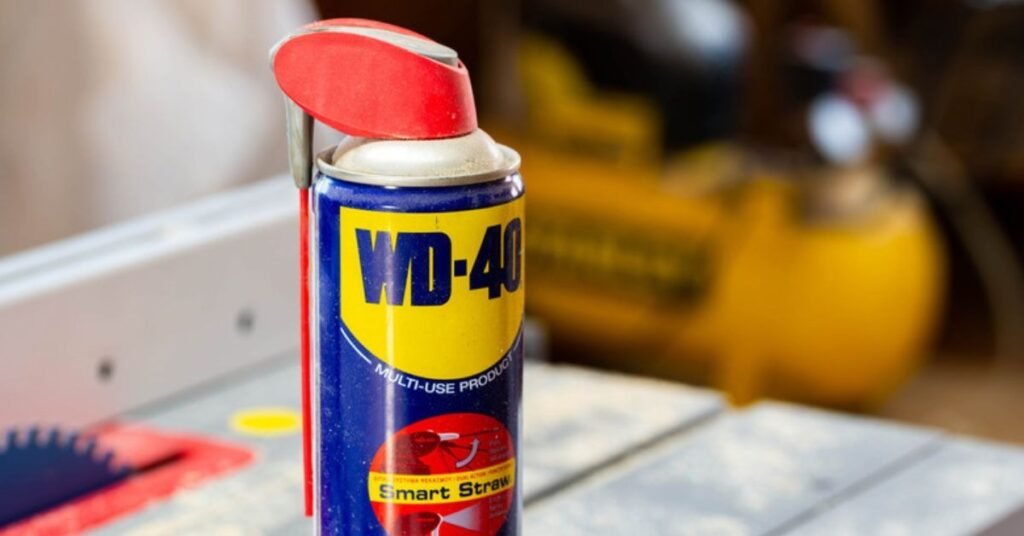
WD-40 Company makes the formula using special solvents and light oils. These ingredients are designed to stay liquid in normal winter conditions. That is why the product usually does not freeze like water. It can handle cold garages and outdoor tools. In most climates, it keeps flowing and spreading without turning solid.
Another reason is the pressurized spray can design. The pressure helps push the liquid out even when it gets thicker. Everyday cold weather is not extreme enough to fully stop it. Only very low temperatures may reduce spray strength. With simple indoor storage, users rarely face freezing problems.
How Cold Weather Affects WD-40 Spray Performance
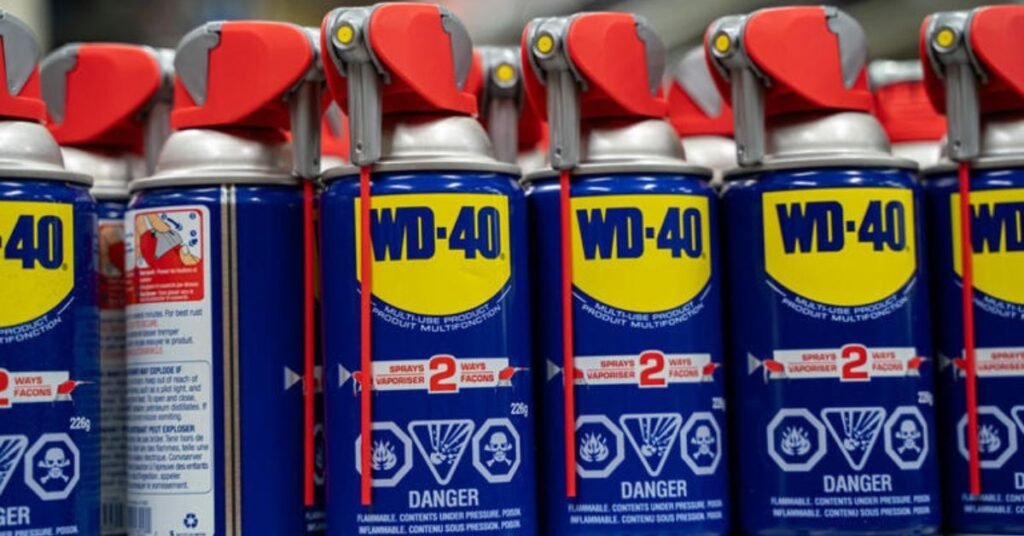
Cold weather can make WD-40 Company spray thicker and harder to apply. The liquid does not freeze completely, but it flows slower. This can make it harder to cover large areas or reach tight spots. Spray pressure may also drop a little in freezing temperatures.
Extreme cold can reduce the effectiveness of WD-40 on metal parts. It may take longer to loosen rust or remove moisture. Warming the can slightly before use helps the spray work normally. Storing the can indoors during winter keeps it ready for fast, smooth spraying.
Does WD-40 Thicken Before It Freezes?
Yes, WD-40 Company thickens before it actually freezes. The oils and solvents in the formula start to move slower as temperatures drop. This means the spray comes out less easily, but it usually does not turn into solid ice. Thickening is the first sign of cold affecting the can.
Here are some points to remember:
- The spray may feel sticky in very cold weather.
- It can take longer to cover metal parts.
- Pressure in the can may drop slightly.
- Warming the can a little helps the liquid flow.
- Thickening does not mean the product is ruined, it still works once warmed.
Real-World Uses of WD-40 in Winter Conditions
WD-40 Company is very useful in winter. It helps protect metal parts from moisture and rust. Cold weather can make locks, hinges, and tools stiff. A quick spray of WD-40 can keep them moving smoothly. It also prevents ice buildup on some surfaces.
Here are some practical winter uses:
- Spray door locks to prevent freezing.
- Lubricate car hinges and latches.
- Protect tools stored in cold garages.
- Loosen snow-clogged chains or metal parts.
- Prevent rust on outdoor equipment like shovels and bikes.
This way, WD-40 stays effective even in cold weather and makes winter tasks easier.
Can WD-40 Help Unfreeze Frozen Locks and Hinges?
Yes, WD-40 Company can help with frozen locks and hinges. Its formula pushes out moisture and lubricates metal surfaces. This helps reduce ice buildup and allows parts to move again. A small spray directly on the frozen area can make a big difference.
Using WD-40 is simple and effective. Spray a little into the keyhole or on the hinge. Wait a few seconds, then try turning or moving it. For extra stubborn ice, repeat the spray. This prevents damage and keeps your locks and doors working in winter.
WD-40 Freeze Point vs Other Fluids
WD-40 Company is different from common fluids like water, antifreeze, or motor oil. It does not have a single freeze point because it is a mix of oils and solvents. Instead, it thickens slowly in cold temperatures but still works for winter tasks. Other fluids can freeze solid at specific temperatures, making WD-40 more versatile in everyday cold use.
Here’s a simple comparison table:
| Fluid Type | Approx. Freeze Point | Behavior in Cold | Notes |
| WD-40 | No exact point | Thickens, sprays slower | Stays usable in winter |
| Water | 32°F / 0°C | Freezes solid | Cannot spray frozen water |
| Antifreeze | -34°F / -37°C | Stays liquid | Designed for engine cooling |
| Motor Oil | Varies 0°F–20°F | Becomes thicker | Flow can reduce in cold |
| Brake Fluid | -40°F / -40°C | Remains liquid | Safe for brakes in cold |
| Transmission Fluid | -20°F / -29°C | Viscosity increases | Harder to pump in extreme cold |
This table shows why WD-40 is reliable in cold weather compared to other fluids. It rarely freezes completely and is ready when you need it most.
Tips for Storing WD-40 in Cold or Hot Temperatures
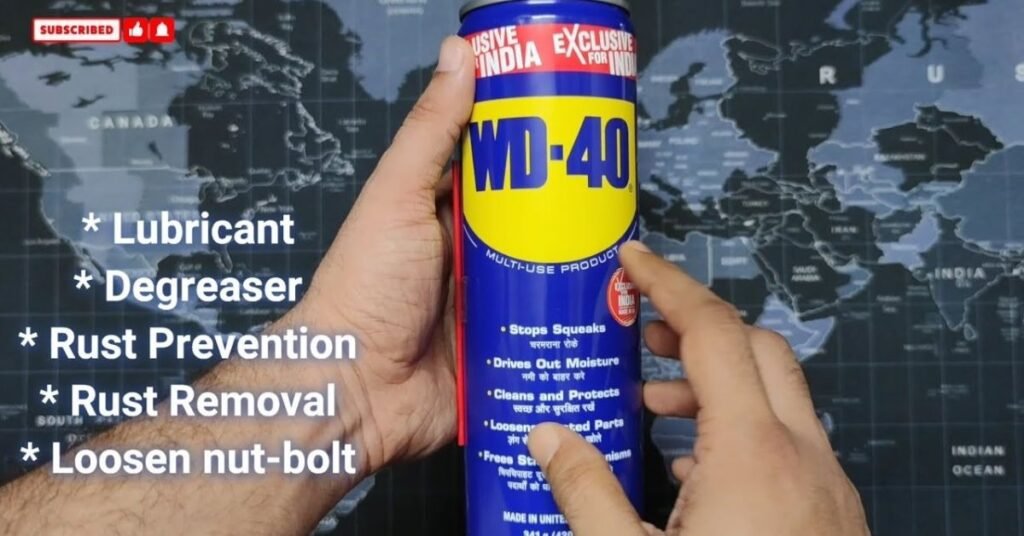
WD-40 Company works best when stored in a safe temperature range. Extreme cold can make it thicker and harder to spray. Extreme heat can increase pressure inside the can. Proper storage keeps the spray flowing and safe to use anytime.
Here are some useful tips:
- Store cans indoors at room temperature.
- Keep away from direct sunlight or heaters.
- Avoid freezing garages or unheated sheds in winter.
- Do not leave cans in a hot car.
- Shake the can before use if stored for long periods.
- Use a small warming trick for cold cans, like holding in your hands briefly.
Following these tips ensures WD-40 stays effective and ready, no matter the season.
Conclusion
WD-40 is a reliable tool for cold and winter conditions. It rarely freezes and continues to protect metal parts from rust and moisture. Knowing its freeze point and how it behaves in cold weather helps you use it better.
Storing it properly and using it on locks, hinges, and tools keeps everything working smoothly. With simple care, WD-40 stays ready whenever you need it. It makes winter tasks easier and saves you time and frustration.
FAQs
1. What is the freeze point of WD-40?
WD-40 does not have a fixed freeze point. Instead, it thickens gradually as temperatures drop. It rarely freezes completely, making it usable in most winter conditions.
2. Can WD-40 be used in extreme cold?
Yes, it can work in freezing temperatures. Spray pressure may reduce, and liquid may be thicker. Warming the can slightly helps restore normal flow.
3. Does WD-40 help frozen locks and hinges?
Absolutely! It pushes out moisture and lubricates metal surfaces. A small spray can unstick frozen locks and keep hinges moving smoothly.
4. How should I store WD-40 in winter or summer?
Keep it indoors at room temperature away from sun or heat. Avoid freezing garages or hot cars. Proper storage keeps the spray safe and effective.
5. Is WD-40 better than other fluids in cold weather?
Yes, it is more versatile than water or motor oil. It thickens but rarely freezes. This makes it reliable for winter tasks and outdoor use.
