


Introduction:
A car blown head gasket is a serious engine problem. Engine blocks and cylinder heads are joined by a head gasket.. It seals oil, coolant, and combustion gases inside the engine. When it fails, these fluids start to mix or leak. This can quickly damage your engine.
Many drivers ignore small warning signs at first. A little white smoke or overheating may not feel urgent. But these early signals can turn into a very expensive repair. Knowing the warning signs early can save your engine and your money.
In this guide about car blown head gasket warning signs, you will learn what to look for and when to act. We will cover the most common symptoms in simple terms. This will help you catch the problem before it becomes severe.
What Is a Blown Head Gasket?
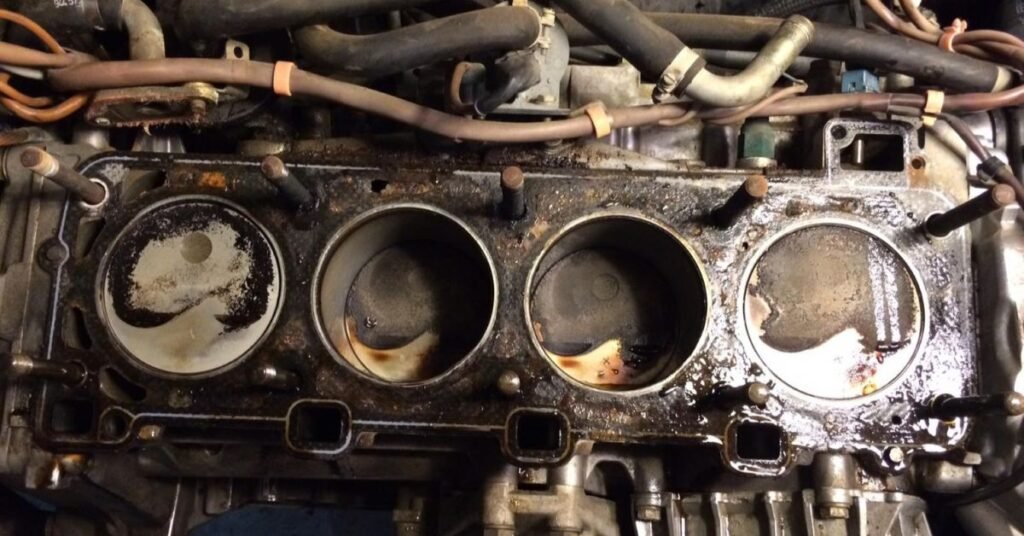
A blown head gasket happens when the seal between the engine block and cylinder head breaks or cracks. This seal is very important for your car’s engine. It keeps coolant, oil, and combustion gases in their correct paths. When it fails, these fluids can mix or leak. That creates pressure and heat problems inside the engine.
This issue does not fix itself and usually gets worse with time. A blown head gasket can cause overheating, smoke, and power loss. In some cases, the engine may stop running completely. That is why early understanding and quick action matter. Knowing what it is helps you recognize the danger signs sooner.
Common Signs of a Blown Head Gasket
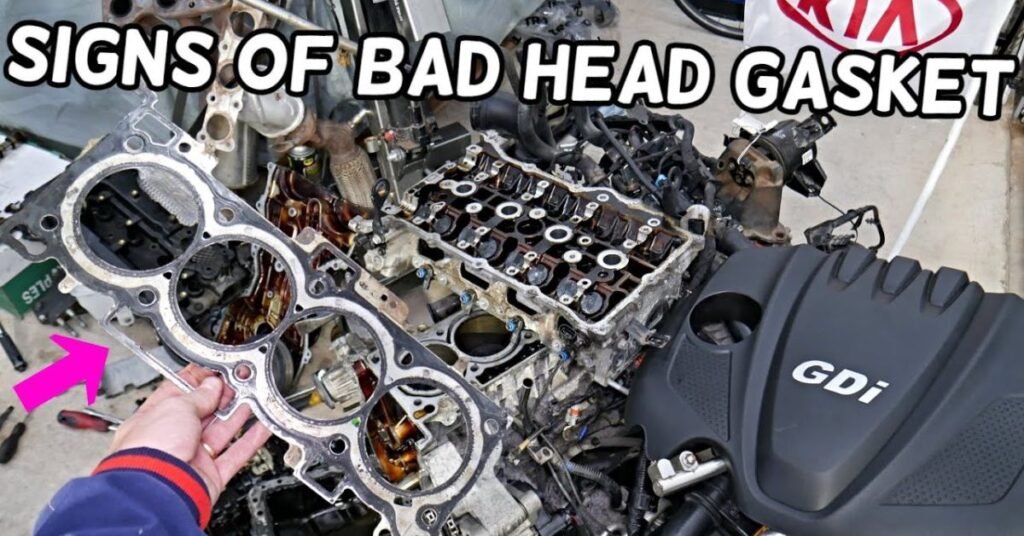
One common sign of a blown head gasket is the engine overheating again and again. You may also see white smoke coming from the exhaust pipe. The car might lose power while driving. The coolant level may drop without any visible leak. Sometimes the engine runs rough or misfires.
Another clear sign is milky or creamy oil on the dipstick or oil cap. This happens when coolant mixes with engine oil. You might also notice bubbles in the radiator or coolant tank. A sweet smell from the exhaust is another clue. These signs should never be ignored because they often point to serious engine trouble.
White Smoke From the Tailpipe
White smoke from the tailpipe is a common warning sign.The engine is usually burning coolant when this happens.. This happens when the head gasket leaks into the combustion chamber. The smoke often looks thick and cloudy.
This smoke does not go away quickly like normal vapor. A sweet smell may also be present.If you see it often, do not ignore it. It can point to internal engine damage starting.
Engine Overheating Frequently
If your engine overheats again and again, it can signal a gasket problem. The cooling system may not hold pressure correctly. Coolant may leak internally instead of cooling the engine. This causes the temperature to rise fast.
You might notice the temperature gauge going into the red zone. Even short drives can feel risky. Frequent overheating can warp engine parts. Quick checking is very important here.
Milky or Frothy Oil
Check your oil cap or dipstick for a creamy layer. Milky or frothy oil often means coolant mixed with oil. This mixture reduces lubrication inside the engine. Parts can wear out faster because of it.
Normal oil should look smooth and brown or black. A milkshake-like color is not normal at all. It is a strong warning sign. Immediate inspection is the smart move.
Unexplained Coolant Loss
If coolant keeps getting low without visible leaks, be careful. It may be leaking inside the engine. A blown head gasket can let coolant enter the cylinders. That is why the reservoir keeps dropping.
Drivers often keep refilling coolant again and again. But the level still falls. This hidden loss is dangerous. It usually means an internal seal failure.
Bubbling in the Radiator or Reservoir
Bubbles in the radiator or coolant tank are not a good sign. They can mean exhaust gases are entering the cooling system. This happens when the gasket seal breaks. Air pockets then form in the coolant.
You may see constant bubbling after starting the car. The coolant may also push out or overflow. This shows pressure where it should not be. It needs a quick diagnosis.
Loss of Engine Power or Misfires
A blown head gasket can cause weak engine performance. The car may feel slow during acceleration. Several cylinders may not fire properly.. This leads to misfires and rough driving.
You might feel shaking or jerking while driving. Fuel burning becomes uneven inside the engine. Power drops and fuel use can increase. It is a sign something serious is wrong inside.
What Causes a Head Gasket to Blow?
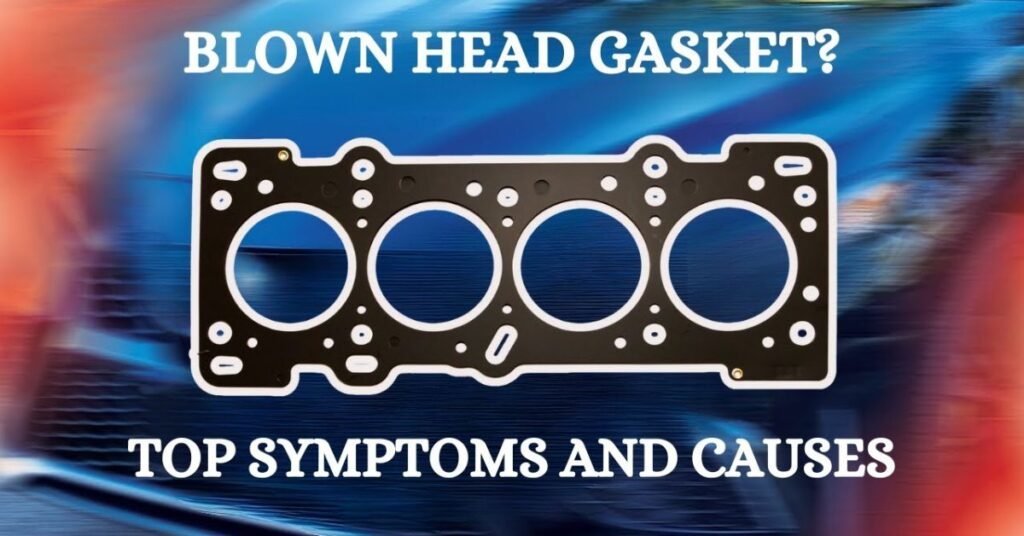
A head gasket usually blows because of too much engine heat. When an engine overheats, metal parts expand and create extra pressure. This pressure can crush or crack the gasket seal. Driving with low coolant or a bad radiator often leads to this problem. Heat is the most common reason behind gasket failure.
Poor maintenance and engine stress also play a big role. Old engines and high mileage increase the risk. Wrong installation or cheap gasket material can fail early. Hard driving with constant high load also adds damage over time.
Common causes include:
- Engine overheating again and again
- Low coolant level or coolant leaks
- Faulty radiator or cooling fan
- Bad thermostat or water pump
- Poor gasket installation or cheap parts
- Long-term engine neglect and rough driving
Overheating and Cooling System Failures
Overheating is the top reason a head gasket gets damaged. When the cooling system fails, engine temperature rises very fast. Coolant cannot circulate properly to remove heat. This puts heavy stress on the gasket seal. Repeated overheating slowly weakens it until it breaks.
Poor Installation or Low-Quality Gasket
A head gasket must be installed with perfect alignment and torque. If the fitting is wrong, the seal will not hold pressure. Cheap or low-quality gaskets also fail much sooner. They cannot handle high heat and engine pressure. Small mistakes during installation can lead to big engine problems.
Wear & Age Over Time
Like many engine parts, head gaskets also wear out with age. The material becomes brittle after years of heat cycles.. Old engines face more vibration and pressure changes. This slowly reduces gasket strength. After high mileage, failure risk naturally increases.
How to Diagnose a Blown Head Gasket
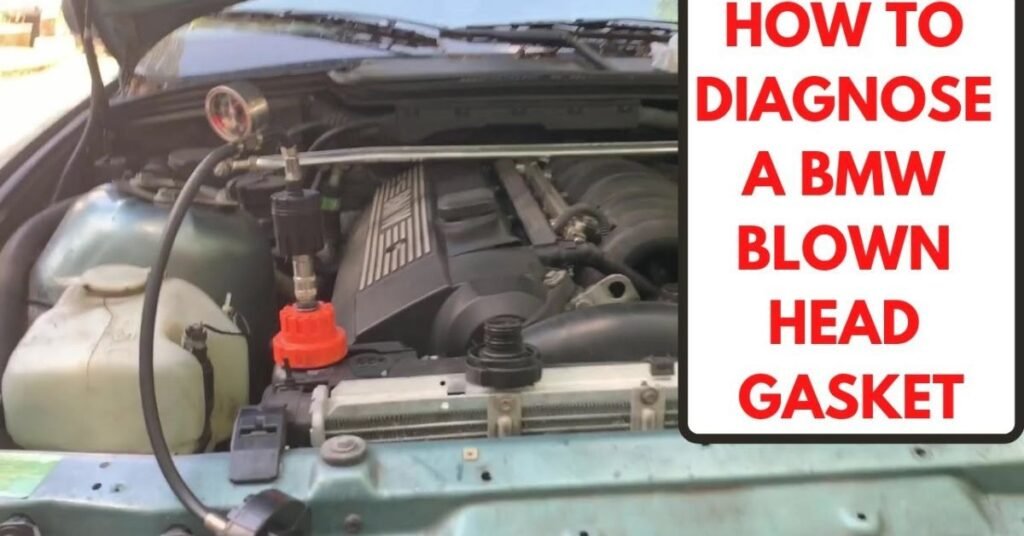
Diagnosing a blown head gasket starts with careful symptom checking. You look for signs like white exhaust smoke, overheating, and coolant loss. Check the engine oil and coolant condition first. A milky oil color or oily coolant is a strong clue. These simple checks can be done at home before visiting a mechanic.
For a confirmed diagnosis, proper tests are often needed. Mechanics use tools to test pressure and gas presence. A compression test or leak-down test can show cylinder sealing problems. A chemical block test can detect exhaust gases in coolant. Using more than one method gives a more accurate result.
Blown Head Gasket Diagnosis Table
| Test / Check | How It Is Done | Tools Needed | What Confirms a Problem | Difficulty Level |
| Visual Exhaust Check | Start car and watch tailpipe smoke | None | Thick white smoke that continues | Easy |
| Engine Temperature Check | Monitor temp gauge while driving | Dashboard gauge | Frequent overheating | Easy |
| Oil Inspection | Check dipstick and oil cap | Cloth + dipstick | Milky or creamy oil color | Easy |
| Coolant Inspection | Open reservoir when engine is cool | Flashlight | Oily film or bubbles | Easy |
| Coolant Level Tracking | Mark and recheck coolant level | Marker | Level drops with no leak | Easy |
| Radiator Bubble Test | Run engine with cap off (cold start) | Safety gloves | Constant bubbling | Medium |
| Compression Test | Measure cylinder pressure | Compression tester | One or more low cylinders | Medium |
| Leak-Down Test | Add air pressure to cylinders | Leak-down kit | Air loss into coolant system | Hard |
| Block Chemical Test | Test coolant for exhaust gases | Block test kit | Fluid changes color | Medium |
| Cooling System Pressure Test | Pressurize cooling system | Pressure tester | Pressure drops quickly | Medium |
Cooling System Pressure Test
A cooling system pressure test checks for leaks in the coolant system. It pressurizes the radiator and looks for drops in pressure, which can show a blown head gasket.
Compression or Leak‑Down Test
A compression or leak-down test measures cylinder sealing. Low pressure or air escaping into the coolant can confirm a head gasket problem.
Can You Drive With a Blown Head Gasket?
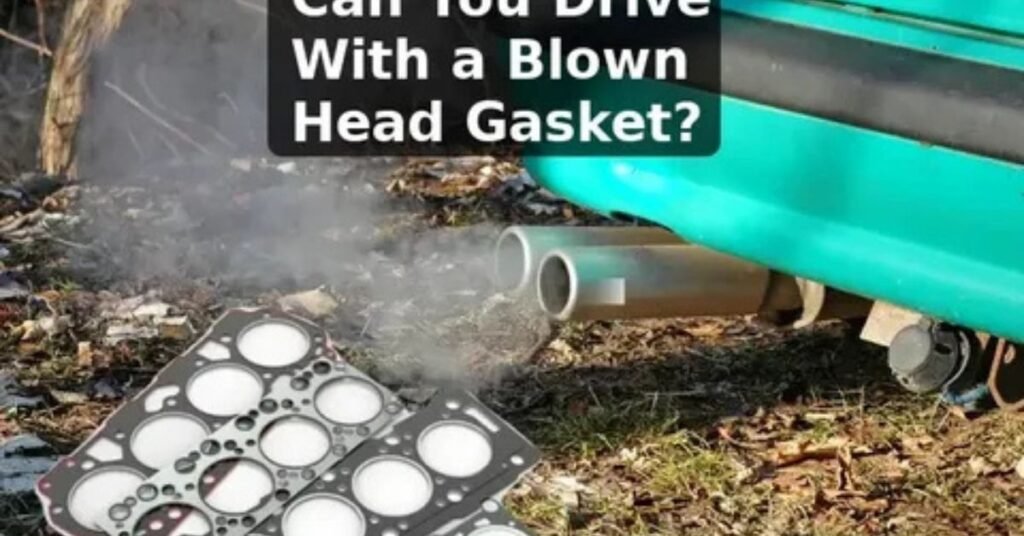
Mixing coolant and oil can cause severe engine damage.. Even short trips can make the problem worse. Driving until the gasket is repaired is generally not safe.
Make sure the engine is kept cool and avoid heavy loads.
Tips if you must drive briefly:
- Drive only a short distance at low speed
- Keep checking the engine temperature
- Avoid towing or heavy acceleration
- Refill coolant if it drops suddenly
- Stop immediately if smoke appears from exhaust
- Do not ignore unusual engine noises or vibrations
Blown Head Gasket Repair Options
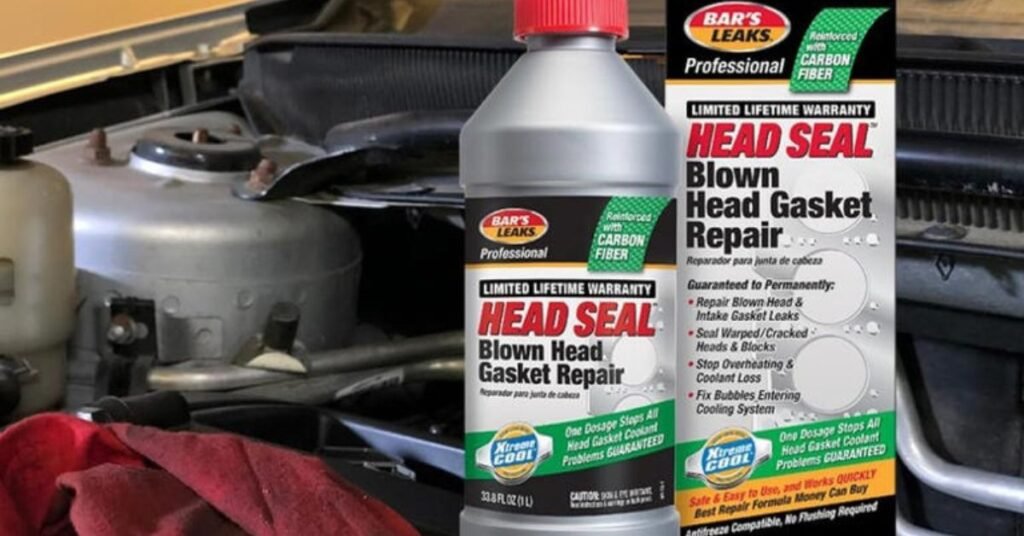
When a head gasket blows, repair is necessary to prevent engine damage.Depending on the severity, there are a few options.. Sometimes a professional repair is needed, while minor leaks may be managed temporarily. Quick fixes can help in emergencies but usually are not permanent.
Repairing a blown head gasket can involve replacing the gasket or fixing engine parts. Costs and methods vary based on the car model and damage extent. It’s important to choose the right option to save money and avoid further damage.
Blown Head Gasket Repair Options Table
| Repair Option | Description | Pros | Cons | Cost Level |
| Professional Gasket Replacement | Removing the old gasket and installing the new one | Permanent solution, restores engine performance | Labor-intensive, expensive | High |
| Engine Head Resurfacing | Grinding cylinder head for a flat surface before installing a new gasket | Ensures perfect seal, prevents future leaks | Requires skilled mechanic, added cost | Medium-High |
| DIY Gasket Sealers | Liquid or paste products applied to fix small leaks temporarily | Quick, cheap, easy | Not permanent, may fail under heat | Low |
| Engine Block Replacement | Replacing the entire engine block if severely damaged | Full solution for severe cases | Extremely expensive, time-consuming | Very High |
| Cylinder Head Repair | Fixing cracks or warping in cylinder head before gasket replacement | Saves engine if head is salvageable | Requires specialized tools | Medium-High |
| Temporary Cooling Additives | Special coolant additives to seal minor leaks | Easy, affordable | Only temporary, not a true fix | Low |
This table helps compare all options. Choosing the right repair depends on budget, severity, and urgency. A permanent repair is always better than temporary fixes.
Professional Replacement Explained
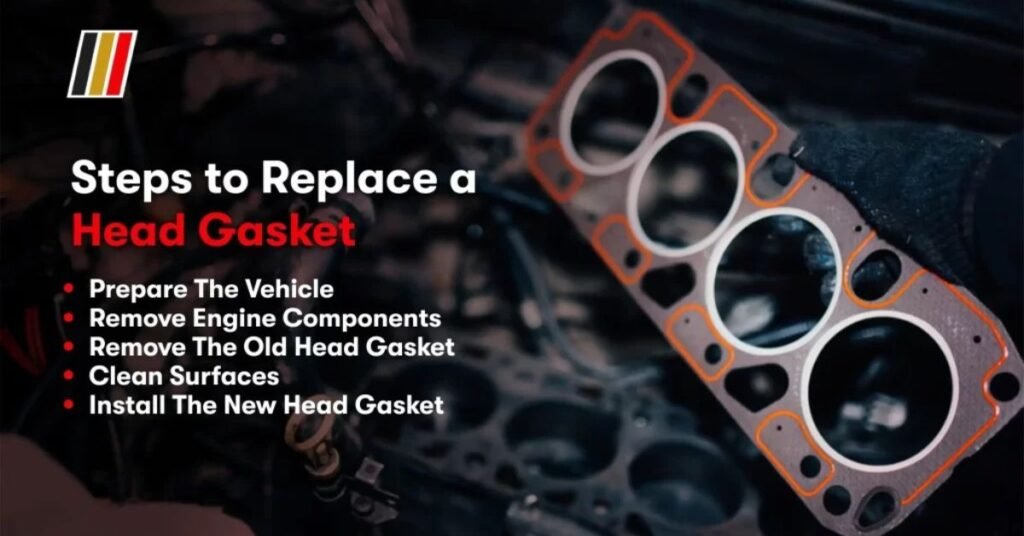
Professional replacement is the most reliable way to fix a blown head gasket. The mechanic removes the old gasket, inspects the engine, and installs a new one. Sometimes the cylinder head is resurfaced to ensure a perfect seal. This method restores engine performance and prevents future leaks. It takes time and costs more, but it is a permanent solution.
Temporary Fixes (Head Gasket Sealers)
Head gasket sealers are liquids or pastes that temporarily stop leaks. They are added to the coolant or engine oil. Sealers can buy you time in an emergency or short-term use. They are cheap and easy but not permanent. Overheating or heavy driving may still make the problem worse.
How Much Does It Cost to Fix a Blown Head Gasket?
The cost to fix a blown head gasket can vary a lot. It depends on the car model, engine type, and severity of the damage. Labor is usually the biggest part of the cost. Parts like a new gasket, coolant, and fluids add extra. A full professional repair can be expensive but ensures the problem is solved permanently.
Temporary fixes like sealers cost much less but are short-term solutions. Engine damage from ignoring the problem can raise repair costs even higher. It’s important to weigh the cost against long-term safety and engine health.
Blown Head Gasket Repair Cost Table
| Repair Option | Average Cost (USD) | Time Required | Pros | Cons |
| Professional Gasket Replacement | $1,200 – $2,500 | 8–15 hours | Permanent solution, restores engine | Expensive, requires skilled mechanic |
| Engine Head Resurfacing | $200 – $500 | 2–4 hours | Ensures perfect seal | Extra cost, needs expertise |
| Cylinder Head Repair | $300 – $700 | 3–6 hours | Saves engine if head salvageable | Not always possible, medium cost |
| Temporary Sealers | $15 – $50 | 10–30 minutes | Quick and cheap | Only temporary, may fail under heat |
| Engine Block Replacement | $3,000 – $7,000+ | 15–25 hours | Full solution for severe damage | Very expensive, time-consuming |
| Cooling System Additives | $10 – $30 | 5–15 minutes | Temporary leak prevention | Not a permanent fix |
This table shows all repair options and costs. Choosing a permanent solution is always the safest for your engine and wallet.
Preventing a Blown Head Gasket
- Keep coolant at the proper level and quality
- Flush and replace coolant on schedule
- Fix overheating issues immediately
- Replace worn-out thermostats, hoses, and water pumps
- Avoid hard driving and heavy loads on an old engine
- Inspect engine oil regularly for unusual color or texture
- Use high-quality gaskets and parts during repairs
- Schedule regular engine check-ups with a mechanic
Regular Coolant & Oil Checks
Regularly checking your coolant and engine oil is very important. Low coolant can cause overheating and damage the head gasket. Dirty or milky oil can mean coolant is leaking into the engine. Simple checks with a dipstick and coolant reservoir can spot problems early. This helps prevent serious engine damage and expensive repairs.
Maintain the Cooling System
Keeping the cooling system in good condition protects your engine.Check the hoses, radiator, and water pump for leaks or damage.. Replace worn parts before they fail. Flushing the radiator and replacing old coolant keeps the engine temperature stable. A well-maintained cooling system reduces the risk of a blown head gasket.
Conclusion
A blown head gasket is a serious engine problem. It can cause overheating, loss of power, and costly repairs. Recognizing the warning signs early can save your engine and money. Regular checks of coolant, oil, and engine health are very important.
Preventing a blown head gasket is always better than fixing it. Proper maintenance, careful driving, and timely repairs keep your car running smoothly. If you notice any signs, act quickly. Taking small steps now can prevent big engine problems later.
FAQs
1. What is a blown head gasket?
A blown head gasket is when the seal between the engine block and cylinder head fails. This lets oil, coolant, and combustion gases mix, causing engine problems.
2. What are the main signs of a blown head gasket?
Common signs include white smoke from the exhaust, overheating, and milky oil. You may also notice coolant loss, bubbling in the radiator, or engine misfires.
3. What if I have a blown head gasket in my car?
It is very risky to drive with a blown gasket. Even short trips can worsen engine damage and lead to expensive repairs.
4. Blown head gasket repair cost?
Professional repairs usually cost $1,200 to $2,500, depending on the car and damage. Temporary sealers are cheaper but only provide short-term fixes.
5. How can I prevent a head gasket from blowing?
Regular maintenance, checking coolant and oil levels, and fixing overheating problems early help prevent failure. Avoid heavy driving on hot engines and use quality parts when repairing.
.
