


Introduction:
The antifreeze used in your car’s cooling system is a liquid.. It helps control engine temperature in both hot and cold weather. Many people think it lasts forever, but that is not true. Like other fluids, antifreeze also has a shelf life. Its quality can change over time depending on how it is stored.
You might have an old bottle sitting in your garage right now. It may look fine from the outside. But is it still safe to use in your car? Using expired or weak antifreeze can cause engine problems. That’s why knowing how long it really lasts is important.
In this guide, you will learn about the shelf life of antifreeze in simple terms. We will cover sealed vs opened bottles, storage tips, and warning signs. This will help you decide whether to use it or replace it.
What Is Antifreeze and Why Its Shelf Life Matters?
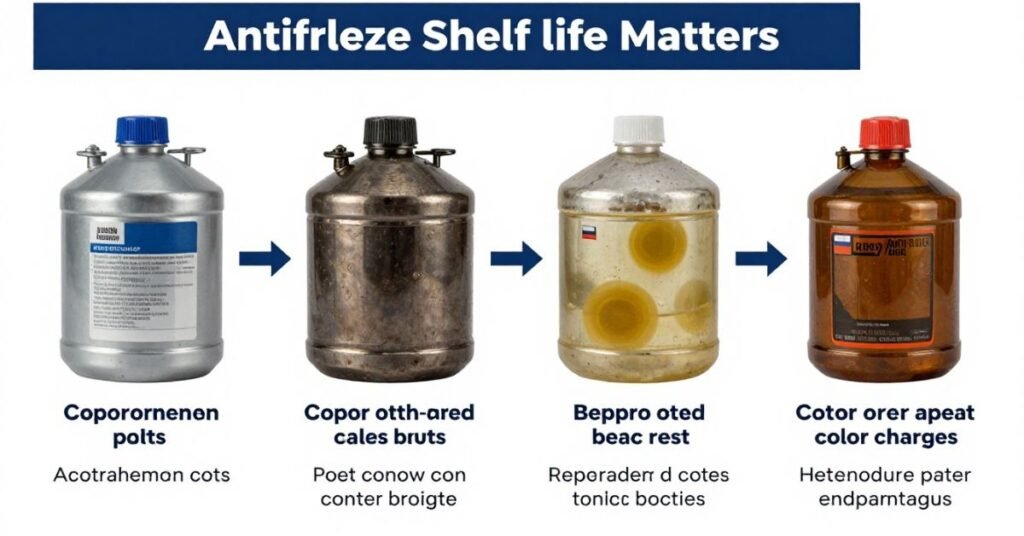
Antifreeze is a special liquid used in a car’s cooling system. It keeps the engine from overheating in summer and freezing in winter.Corrosion and rust are also prevented by it.. This fluid works under high heat and pressure. That is why its quality must stay strong to do its job well.
The shelf life of antifreeze matters more than many drivers think. Old antifreeze can lose its protective power over time. It may not control temperature properly. It can also harm engine parts if it breaks down. Using fresh and properly stored antifreeze helps your engine stay safe and run smoothly.
Does Antifreeze Expire or Go Bad?
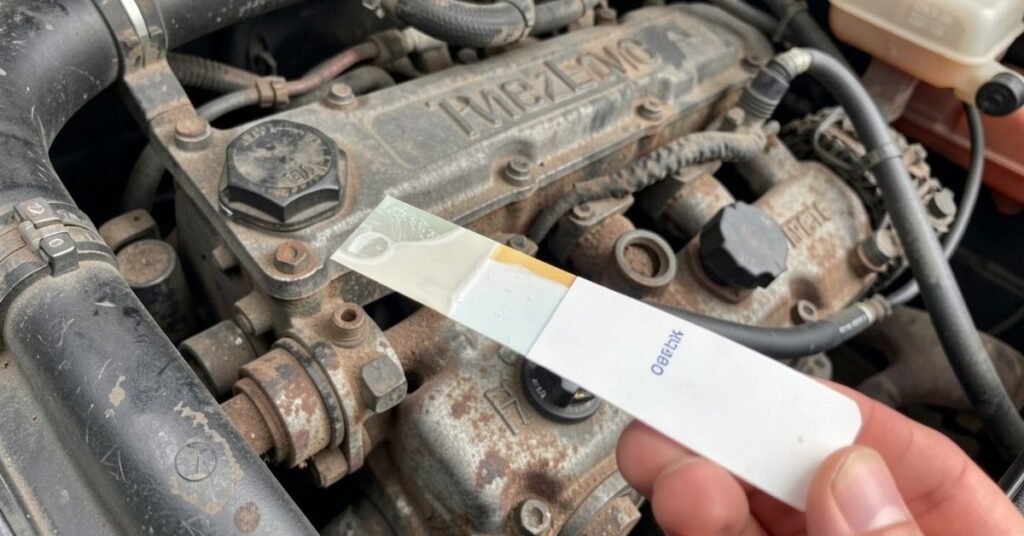
Yes, antifreeze can expire or go bad over time. It does not stay perfect forever. Even if the bottle is sealed, its quality slowly drops after many years. When opened, the process becomes faster. Air and moisture can change its chemical balance.
Bad antifreeze cannot protect your engine properly. It may fail to control temperature. It can also lose its anti-corrosion power. This can lead to damage inside the cooling system. You should avoid using antifreeze if you notice these signs:
- The color looks faded or very dark
- There are particles or dirt in the liquid
- It smells strange or burnt
- The bottle has been open for many years
- The label expiry date has passed
Using fresh antifreeze is always safer for your engine.
Shelf Life of Unopened Antifreeze
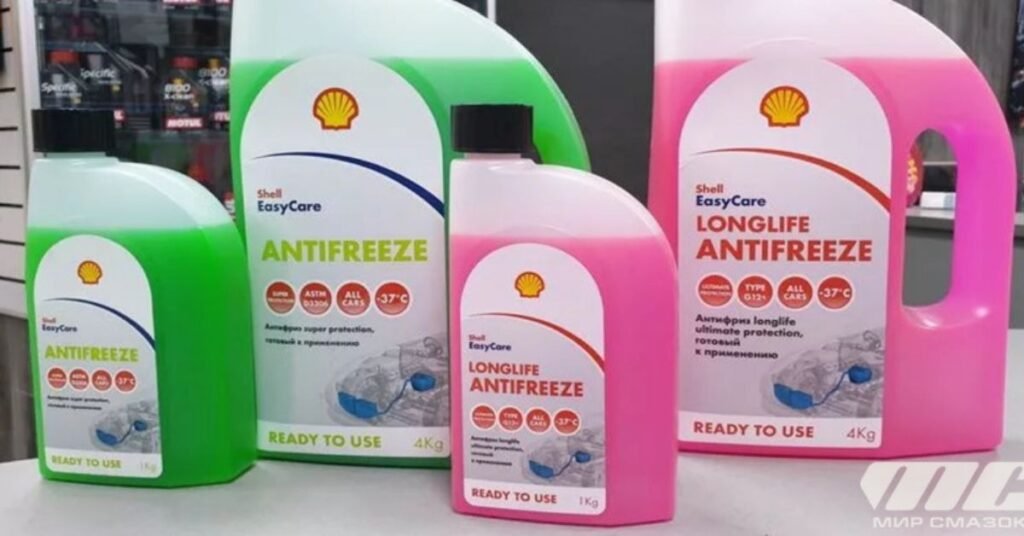
Unopened antifreeze usually lasts a long time. A sealed bottle keeps out air and moisture. This helps the liquid stay stable. Most brands say it can last 3 to 5 years or more when stored well. Some premium coolants can last even longer.
Storage conditions still matter a lot. Keep the bottle in a cool and dry place. Avoid direct sunlight and extreme heat. Do not store near chemicals or fuel. Always check the label date before use to be safe.
| Condition | Expected Shelf Life | Notes |
| Factory sealed bottle | 3–5 years | Standard antifreeze types |
| Premium long-life coolant | 5–8 years | Depends on brand formula |
| Stored in cool, dark place | Longer life | Best storage method |
| Stored in hot area | Shorter life | Heat reduces quality |
| Seal damaged | Not reliable | Avoid using |
Shelf Life of Pre-Mixed Antifreeze vs. Concentrate
- Water is already added to pre-mixed antifreeze
- Water makes it more sensitive to storage conditions since it contains water
- It usually lasts three to five years on a shelf if sealed
- After opening, contamination risk increases faster than concentrate
- Quick use, not long-term storage
- Antifreeze concentrate is stronger and undiluted
- The shelf life of pre-mixed types is usually shorter
- A sealed concentrate bottle can last 5+ years in good storage
- Less risk of early breakdown because no water is mixed yet
- Better choice if you want flexible mixing and longer storage time
- Always keep both types tightly closed after opening
- Store away from heat and direct sunlight
- Check color and clarity before using any old bottle
How Long Does Antifreeze Last Once Opened?
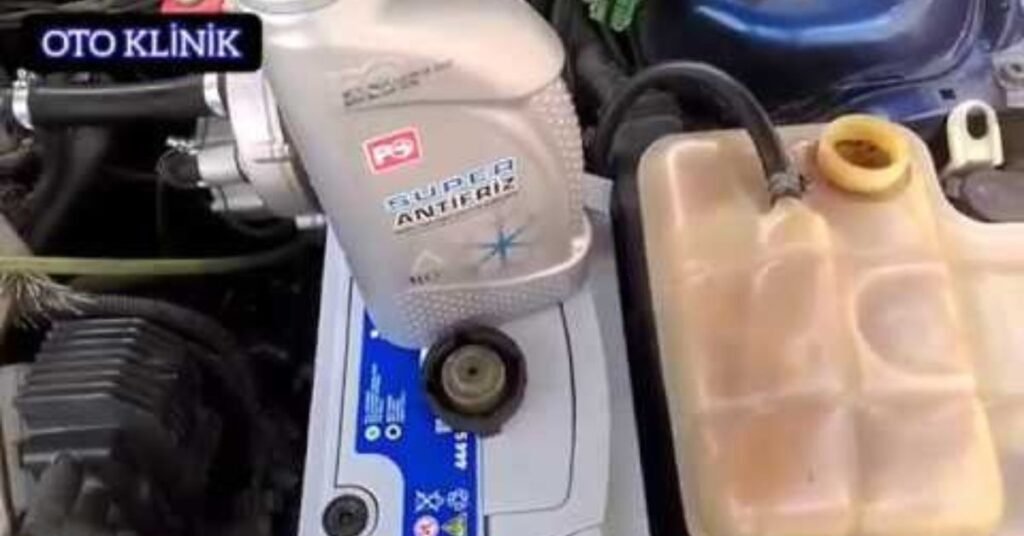
- Opened antifreeze does not last as long as a sealed bottle
- Air enters and slowly changes its chemical strength
- Moisture can mix in and reduce protection quality
- Most opened bottles stay usable for about 1–2 years
- Life depends on how well you close and store it
- Always tighten the cap fully after each use
- Keep the bottle in a cool and dark place
- Do not store near dust, fuel, or cleaners
- Never use if color looks dull or dirty
- Throw it away if you see particles or layers inside
- Write the opening date on the bottle for safety
Signs Old Antifreeze Is No Longer Good
Old antifreeze often shows clear warning signs. You just need to look closely before using it. Fresh antifreeze usually has a bright and clean color. When it gets old, the look and texture can change. Using damaged fluid can reduce cooling performance and harm engine parts.
You should never pour doubtful antifreeze into your car. Checking quickly can save you from costly repairs.. If anything looks strange, it is better to replace it. New coolant is always safer than risking engine damage.
- Color looks muddy, rusty, or very faded
- Liquid appears cloudy instead of clear
- Small particles or flakes are floating inside
- Thick or gel-like texture has formed
- Sour or burnt smell from the bottle
- Different layers visible after standing still
How Antifreeze Shelf Life Affects Engine Cooling Performance
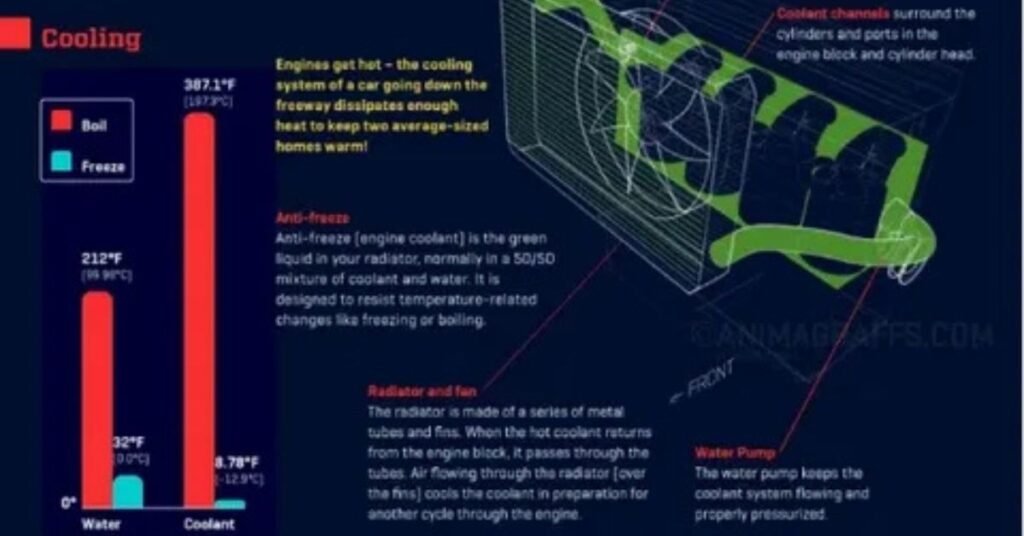
Antifreeze that is old or expired cannot protect your engine properly. Its ability to control temperature decreases over time. This can cause the engine to overheat in hot weather. In cold weather, it may fail to prevent freezing. Poor antifreeze can also lead to rust and corrosion inside the cooling system.
Using fresh antifreeze keeps your engine running smoothly. It maintains proper heat transfer and protects metal parts. Even small drops in antifreeze quality can reduce cooling efficiency. Always check the shelf life and replace old coolant on time. A healthy antifreeze helps prevent costly engine problems and keeps your car reliable.
Best Storage Practices to Maximize Shelf Life
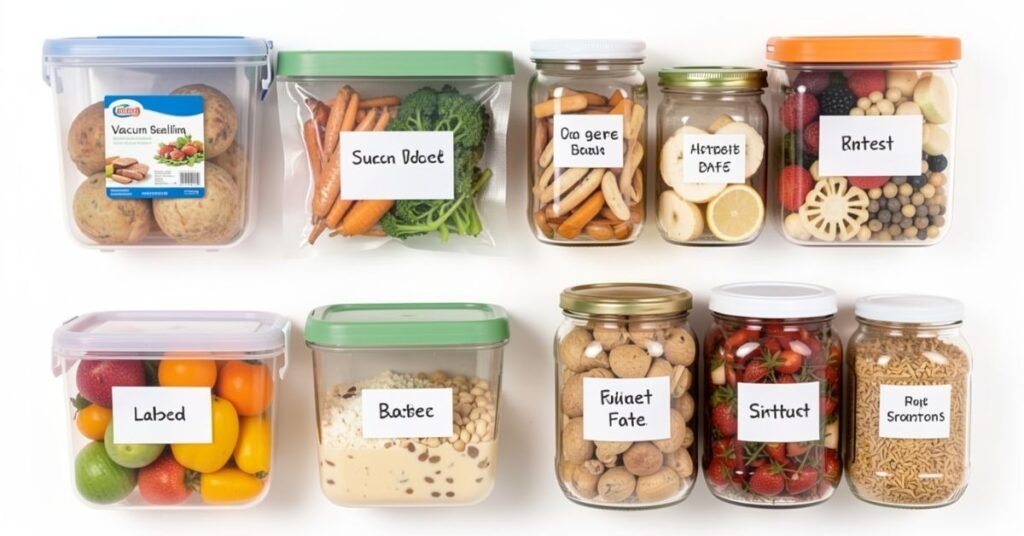
Proper storage can make antifreeze last longer. Even high-quality antifreeze can go bad if stored poorly. Keep bottles sealed tightly to prevent air and moisture from entering. Store them in a cool, dry place away from sunlight. Extreme heat or freezing temperatures should be avoided.
Following simple steps can protect your antifreeze and your engine:
- Always keep the cap tightly closed
- Store bottles upright to prevent leaks
- Keep away from direct sunlight and heat sources
- Avoid storing near chemicals or fuel
- A label with the purchase or opening date should be placed on the bottle
- Use older bottles first to prevent waste
Good storage habits help maintain antifreeze quality. This ensures your car stays safe and runs efficiently.
How Often Should You Replace Antifreeze in Your Vehicle?
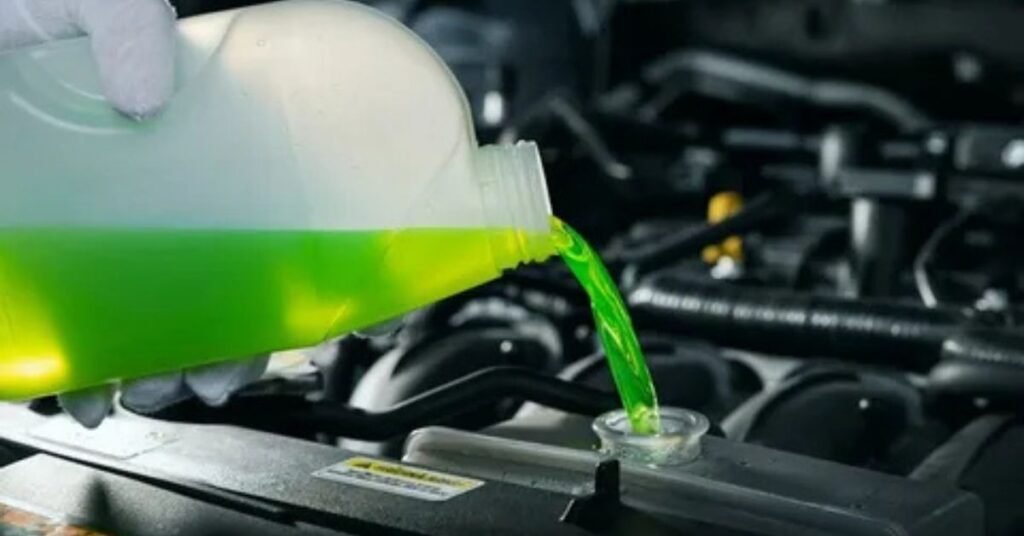
Most car makers recommend changing antifreeze every 2 to 5 years. The exact timing depends on your car model and the type of coolant used. Old antifreeze can lose its ability to protect the engine. It may also cause rust and deposits inside the cooling system. Regular replacement keeps the engine safe and running smoothly.
You should also check antifreeze levels and condition regularly. Look for color changes, cloudiness, or particles in the liquid. Replace it sooner if the fluid looks old or contaminated. Following the schedule and inspecting your coolant helps avoid overheating and costly repairs. Fresh antifreeze means a healthier engine and longer car life.
Conclusion
Antifreeze is important for your car’s engine. It controls temperature and protects metal parts. Using old or expired antifreeze can cause serious problems. Checking the shelf life and condition is always a smart choice.
Storing antifreeze properly and replacing it on time keeps your engine safe. Always follow the recommended schedule and watch for warning signs. Fresh antifreeze means better cooling, fewer repairs, and a longer-lasting car. Taking these simple steps makes car care easier and safer.
FAQs
1. How long does antifreeze last?
Unopened antifreeze usually lasts 3–5 years, depending on the brand. Once opened, it is best used within 1–2 years to ensure full protection for your engine.
2. Can I use old antifreeze in my car?
Using old or expired antifreeze is risky. It may lose its cooling power and anti-corrosion ability, which can damage your engine.
3. How can I tell if antifreeze has gone bad?
Check the color, clarity, and smell of the coolant. Cloudiness, particles, or a sour/burnt odor are signs that it is no longer safe to use.
4. Should I replace antifreeze regularly?
Yes, replacing antifreeze on schedule is important. Fresh coolant keeps your engine at the right temperature and prevents rust, corrosion, and overheating.
5. What is the difference between pre-mixed and concentrated antifreeze?
Pre-mixed antifreeze comes ready to use but has a shorter shelf life once opened. Concentrate lasts longer and can be mixed with water as needed, giving more storage flexibility.
