

Introduction:
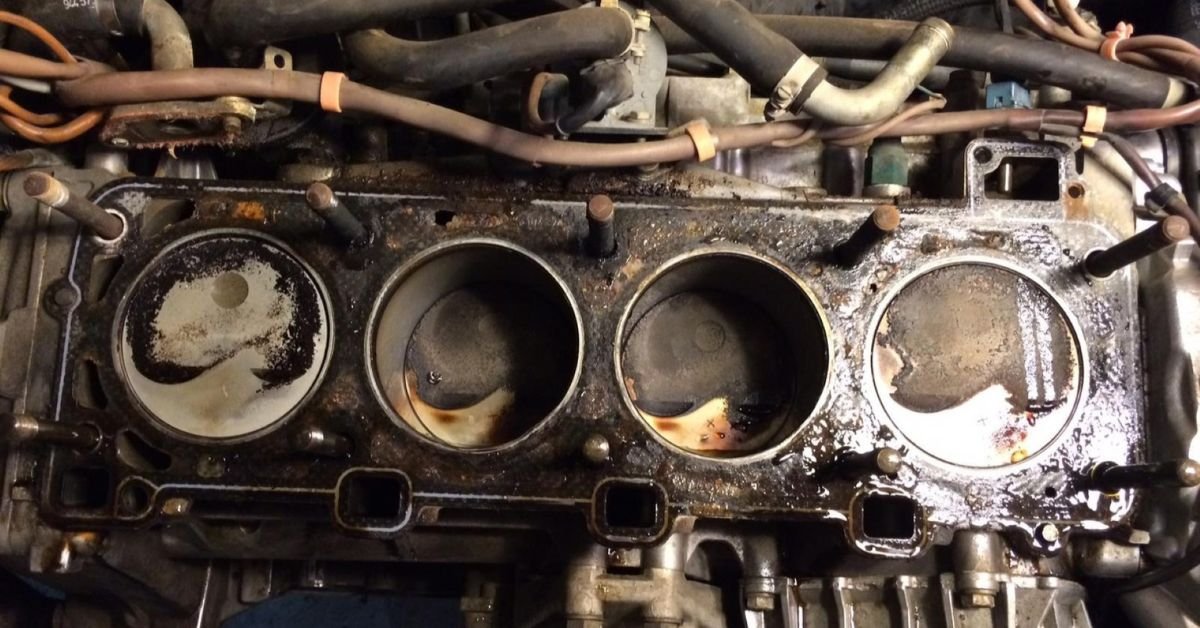
Blown head gaskets are serious engine problems.. It happens when the seal between the engine block and cylinder head fails. This seal normally keeps oil, coolant, and gases separate. When it breaks, fluids can mix and cause damage. Pictures of a blown head gasket help you understand what this damage looks like.
Many car owners miss the early warning signs. The symptoms can look small at first. A little smoke, overheating, or coolant loss may not seem urgent. But real blown head gasket pictures show how bad the damage can become. Seeing visual examples makes it easier to spot trouble early.
In this guide, you will learn what to look for through clear visual clues. You will understand common damage patterns and engine signs. These pictures and explanations will help you connect symptoms with real engine conditions. This makes diagnosis faster and more confident.
What Does a Blown Head Gasket Look Like?
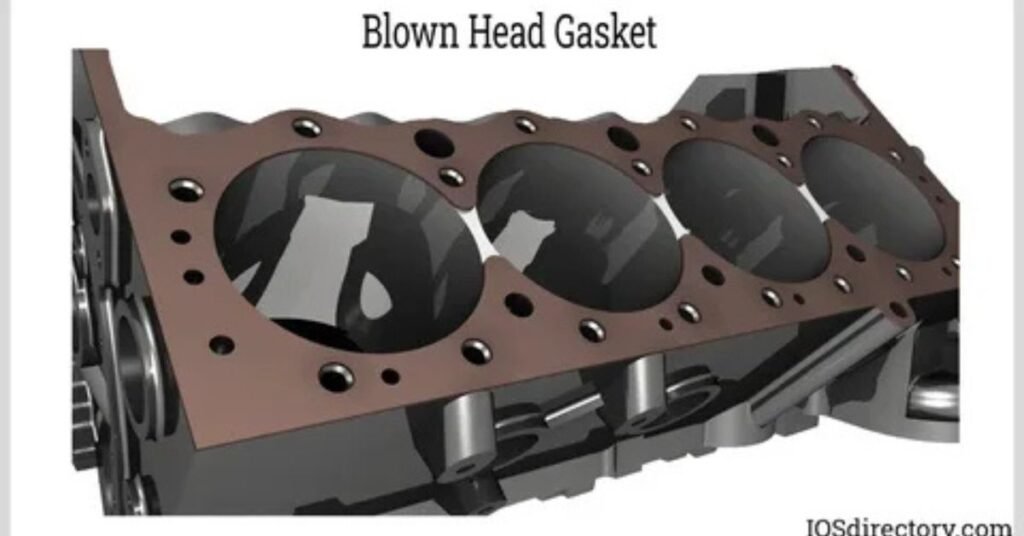
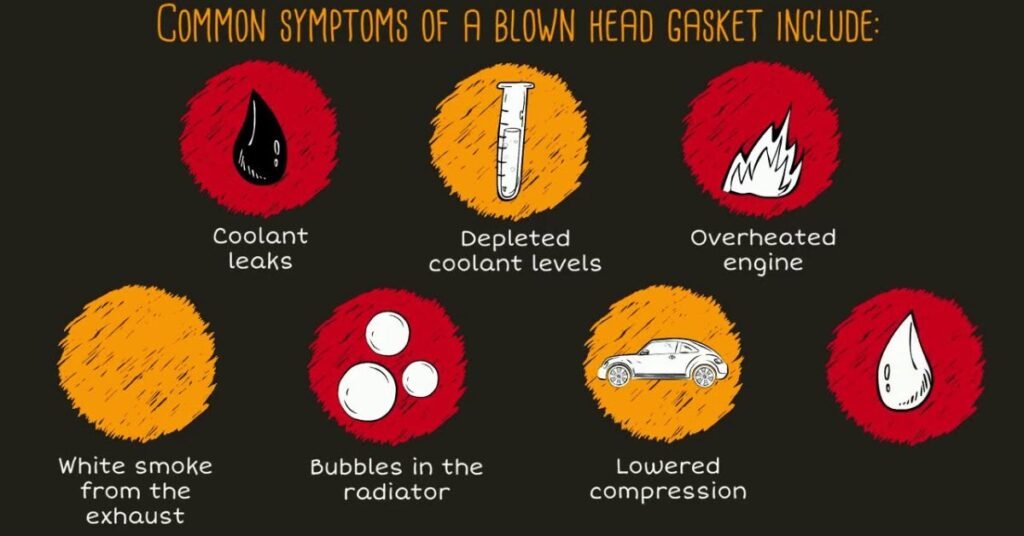
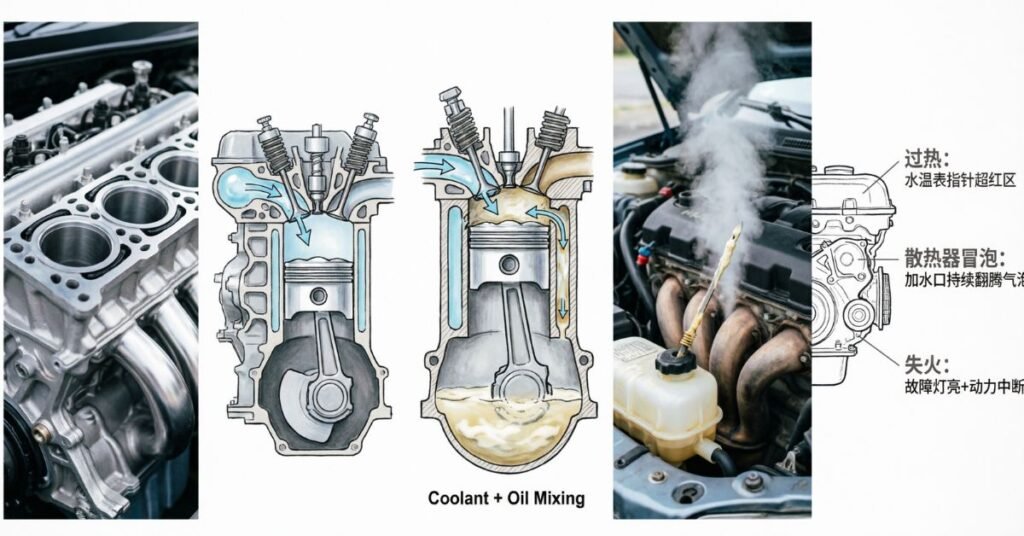
A blown head gasket can show different visual signs inside and outside the engine. You may see milky or creamy sludge under the oil cap. This happens when coolant mixes with engine oil. White smoke from the exhaust is another common sign. Sometimes there are bubbles in the radiator or coolant tank while the engine is running. The engine area may also show coolant leaks near the head joint.
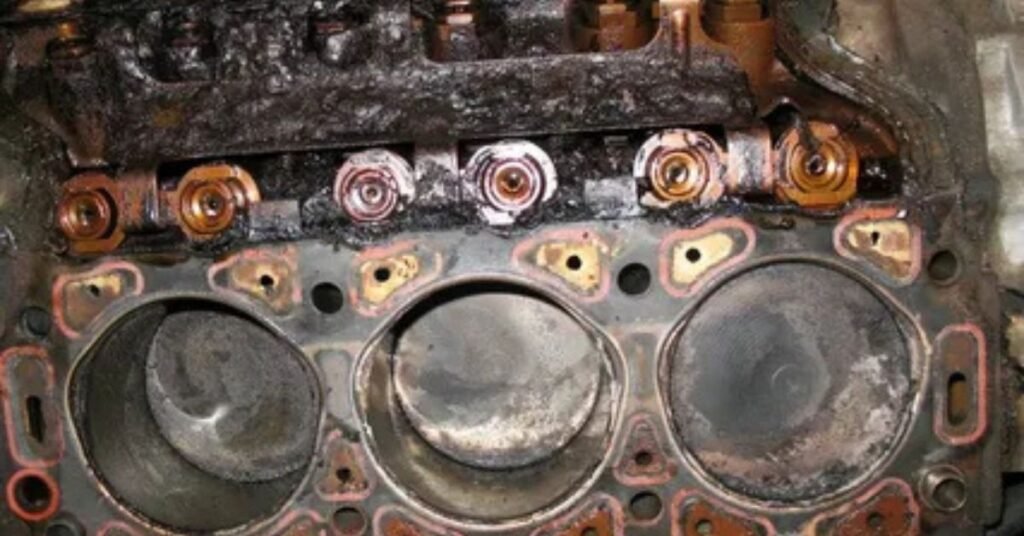
When the engine is opened, the gasket itself may look cracked or burned. Some areas can appear broken or eaten away. You might notice dark burn marks between cylinders. The metal surface around it can look warped or dirty. In many blown head gasket pictures, the sealing ring looks damaged or missing. These visual clues help confirm that the gasket has failed.
Key Visual Signs You Can Spot in Blown Head Gasket Pictures
- Milky white sludge under the oil cap or on engine parts
- Creamy foam on the dipstick showing oil and coolant mixing
- Burned or blackened gasket edges between cylinders
- Cracks or breaks in the gasket sealing line
- Missing gasket material in small sections
- Rust marks around coolant passages
- Wet coolant stains near the cylinder head joint
- Oil leaks visible along the head gasket seam
- Bubbles in the coolant reservoir in running-engine pictures
- Heavy white exhaust smoke shown in diagnostic images
- Warped or uneven metal surface near gasket area
- Dirty, washed-out piston tops from coolant entry
Common Blown Head Gasket Pictures and What They Mean
Common blown head gasket pictures often show clear burn marks and broken sealing rings. These marks appear between two cylinders or near coolant holes. Dark or charred spots usually mean hot gases escape through the seal. Pictures with melted gasket edges show long-term overheating. If the gasket looks crushed or split, it often points to pressure failure inside the engine.
Some pictures show milky oil or thick white residue on engine parts. This means coolant and oil have mixed together. Images with clean, steam-washed pistons suggest coolant entered the combustion chamber. Photos of bubbling coolant tanks usually indicate compression leaks. Each type of picture gives a clue about where and how the gasket failed.
Milky Oil, White Smoke, and Coolant Leak Photo Examples
Blown head gasket pictures often show milky or creamy oil.Oil and coolant mix when the two are combined.. The oil cap or dipstick may look thick and light-colored. Some photos show white smoke coming from the exhaust. This smoke is a sign that coolant is burning in the engine. Other pictures show coolant leaks near the cylinder head or radiator. These visual examples make it easy to spot early warning signs.
Here’s a clear way to understand what these photos reveal:
| Photo Type | What It Shows | Possible Cause | Why It Matters |
| Milky Oil on Dipstick | Light-colored, creamy oil | Coolant mixing with oil | Engine lubrication is compromised |
| White Smoke from Exhaust | Thick, white smoke | Coolant entering combustion chamber | Indicates gasket breach |
| Coolant Leak on Engine | Wet spots near head gasket | Seal failure or crack | Can cause engine overheating |
| Bubbles in Radiator | Continuous bubbling | Compression leak into coolant | Engine pressure is escaping |
| Oil-Coolant Residue | Thick sludge in engine parts | Long-term mixing of fluids | Shows severe gasket damage |
These examples help car owners understand what to look for in real-life engine problems. Pictures make spotting blown head gasket issues faster and more reliable.
Internal vs External Head Gasket Leak Pictures
Blown head gaskets can fail in two main ways: internal leaks and external leaks. Internal leaks happen when coolant or oil enters the combustion chamber. Pictures often show white smoke from the exhaust or milky oil on the dipstick. You may also see coolant in the radiator bubbling or washed-out pistons. These images help you understand the engine’s internal damage.
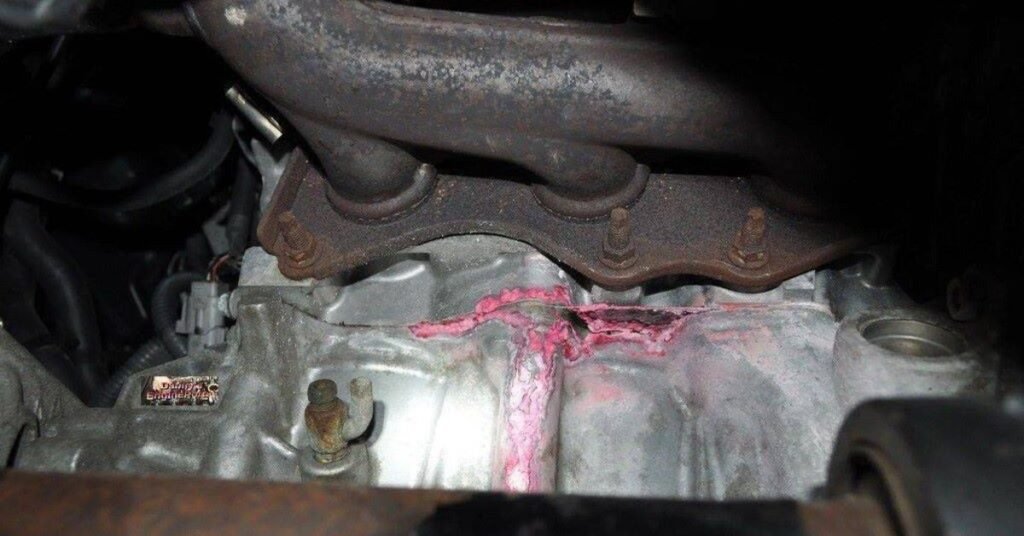
External leaks are easier to spot in pictures. They show fluid seeping from the gasket line onto the engine block. Coolant or oil stains near the cylinder head are common. Photos may also show rust or wet areas around the gasket seam. Comparing internal and external leak pictures helps identify the type and severity of the problem.
| Leak Type | Picture Signs | What It Means | Engine Risk |
| Internal Leak | White exhaust smoke | Coolant entering combustion | Overheating, cylinder damage |
| Internal Leak | Milky oil on dipstick | Coolant mixing with oil | Poor lubrication, engine wear |
| Internal Leak | Bubbles in radiator | Combustion gases in coolant | Pressure buildup, overheating |
| Internal Leak | Steam-washed pistons | Coolant in cylinders | Reduced compression, misfires |
| External Leak | Coolant on gasket line | Gasket seal failure | Overheating risk |
| External Leak | Oil stains near head | Oil escaping engine | Lubrication issues |
| External Leak | Rust around gasket seam | Long-term leakage | Corrosion and weakening |
| External Leak | Wet engine block areas | Coolant or oil pooling | Engine surface damage |
These pictures give a clear guide to spotting whether a head gasket leak is internal or external. Visual clues make diagnosing engine problems faster and easier.
Here’s a fully bullet-point version under the heading “How to Tell the Difference from Images” with no paragraphs:
How to Tell the Difference from Images
- White smoke from exhaust – usually means internal leak, coolant burning in cylinders
- Milky or creamy oil – coolant mixing with engine oil (internal leak)
- Bubbles in radiator or coolant tank – combustion gases entering coolant (internal leak)
- Wet coolant on cylinder head or gasket seam – external leak from gasket surface
- Oil stains on engine block – external gasket failure
- Rust or corrosion near gasket area – long-term external leakage
- Steam-washed or clean piston tops – coolant inside combustion chamber (internal leak)
- Pooling fluid under the car – external leak indication
- Cracked or burned gasket edges – shows exact location of failure
- Discolored or warped metal near gasket – overheating and severe damage
- Foamy oil or coolant residue inside engine – prolonged fluid mixing (internal leak)
- Coolant entering intake manifold – internal leak affecting performance
- Excessive white smoke during idling – internal leak under engine load
- Seepage along head bolts – weak gasket seal, external leak
- Uneven gasket compression marks – visual sign of blowout or failure
Blown Head Gasket Pictures vs Normal Engine Conditions
Blown head gasket pictures show clear signs of engine problems. You may see milky oil, white smoke, or leaks around the gasket. Burned or cracked gasket edges are common. Coolant in the combustion chamber or bubbling in the radiator is also visible. These issues are absent in normal engine images, where everything looks clean and well-sealed. Comparing pictures helps you quickly spot trouble.
Here are some key differences in pictures:
- Clean oil vs milky oil – normal engines have clear oil; blown gaskets show creamy, mixed fluids
- No smoke vs white smoke – normal exhaust is clean; blown gaskets produce white smoke
- Dry engine block vs wet spots – normal engines are dry; external leaks cause coolant or oil stains
- Intact gasket vs cracked or burned gasket – normal gasket seals perfectly; blown gasket shows damage
- No bubbles in coolant vs bubbling coolant – normal systems are stable; internal leaks create bubbles
- Even metal surface vs warped or discolored metal – normal cylinder heads are smooth; blown gasket areas show heat damage
- No residue on pistons vs steam-washed or dirty pistons – normal pistons are clean; internal leaks leave marks
- No rust or corrosion vs rust near gasket – external leaks over time cause corrosion
- Stable engine temperature vs overheating signs – normal engines run smooth; blown gaskets can overheat the system
- Consistent fluid levels vs rapid loss of oil or coolant – normal engines maintain fluids; blown gasket images often show fluid depletion
Signs That Look Similar but Are Not Head Gasket Failure
- Overheating from low coolant – engine gets hot, but gasket may be fine
- Steam from radiator cap – can happen with trapped air, not always gasket
- Oil leaks from valve cover – looks like gasket issue, but valve cover is the source
- White exhaust smoke at start – condensation, normal in cold weather
- Coolant discoloration – rust or old coolant can look like milky oil
- Engine misfires – could be spark plugs, fuel system, or ignition coils
- Loss of power – might be clogged air filter or fuel injector, not gasket
- Overfilled oil – creates foamy appearance like coolant mixing
- Cracked radiator hoses – leaks can mimic gasket failure externally
- Thermostat failure – causes overheating, but gasket may be intact
- Water pump leak – fluid under engine can be mistaken for gasket leak
- Excessive idling smoke – normal in older engines, not always internal leak
- Coolant foaming in reservoir – trapped air or dirty coolant, not combustion gases
- Blown PCV valve – can cause oil residue similar to internal leak
- Engine vibration – might be motor mounts, not gasket problem
- Oil cap residue from fuel additives – can look like milky oil
- Heater core leak – coolant leaks inside cabin, not engine gasket
- Temporary overheating after traffic stop – normal heat soak, not gasket failure
- Low compression in one cylinder – could be piston rings, not head gasket
- Exhaust condensation on cold days – harmless, looks like coolant burning
Step-by-Step Visual Diagnosis Using Blown Head Gasket Pictures
- Start with oil inspection – check dipstick and oil cap for milky or creamy oil
- Examine exhaust – look for thick white smoke or unusual steam
- Inspect coolant system – check radiator and overflow tank for bubbles or leaks
- Check engine block surface – wet spots, rust, or corrosion along gasket lines
- Look at gasket edges – burned, cracked, or missing sections indicate failure
- Observe pistons – steam-washed or dirty tops suggest internal coolant entry
- Inspect head bolts and seams – fluid seepage shows weak gasket sealing
- Check metal surfaces – warping or discoloration signals overheating damage
- Monitor coolant and oil levels – rapid drop can be linked to gasket issues
- Compare with normal engine pictures – clean oil, dry block, no smoke
- Look for foamy oil or residue inside engine parts – indicates prolonged fluid mixing
- Check intake manifold and exhaust ports – coolant entry points in internal leaks
- Inspect undercarriage – pooling fluids under engine show external leaks
- Take note of engine temperature signs – overheating or hot spots on head
- Cross-reference multiple images – confirm consistent patterns of damage
Where to Check Under the Hood for Photo Evidence
When diagnosing a blown head gasket, pictures can help spot trouble quickly. Certain spots under the hood often reveal the signs clearly. Checking these areas visually makes it easier to identify leaks or damage early.
- Oil cap & dipstick – creamy or milky oil
- Cylinder head seams – wet spots or rust
- Head bolts – fluid seepage
- Radiator & coolant tank – bubbles or leaks
- Engine block surface – cracks or burnt marks
- Valve cover edges – small leaks
- Intake manifold – coolant residue
- Exhaust manifold – white smoke or steam
- Pistons – steam-washed tops
- Undercarriage – pooled fluids
Exhaust Smoke Pictures: Is It a Blown Head Gasket Sign?
White smoke from the exhaust can be an early warning sign of a blown head gasket. Pictures often show thick, continuous white smoke, especially when the engine is running hot. This happens when coolant enters the combustion chamber and burns with fuel. Some images also show steam during startup or idling. Visual clues like this help confirm internal leaks without opening the engine.
Not all smoke means a blown gasket. Condensation on cold mornings can create temporary white smoke. Blue or black smoke may point to oil burning or fuel issues instead. Comparing exhaust smoke pictures with normal engine images helps spot real gasket problems. Looking closely at smoke patterns, thickness, and duration can make diagnosis more accurate.
White Smoke vs Normal Vapor Image Comparison
White smoke from the exhaust can indicate a blown head gasket. It usually appears thick, steady, and sometimes has a sweet smell. Normal vapor is thin, light, and often disappears quickly, especially in cold weather. Comparing pictures of white smoke and normal exhaust vapor makes it easier to spot real engine problems.
Here’s a visual comparison to understand the difference:
| Feature | White Smoke (Blown Head Gasket) | Normal Vapor | What It Means |
| Color | Thick, bright white | Light, wispy | White smoke signals coolant burning |
| Density | Heavy and steady | Thin and disperses quickly | Dense smoke often means internal leak |
| Duration | Continuous while running | Short bursts | Persistent smoke is a warning sign |
| Smell | Sweet or chemical | None or mild | Sweet smell = coolant in combustion |
| Temperature Condition | Appears even when engine is hot | Mostly in cold starts | Smoke in hot engine is unusual |
| Exhaust Flow | From tailpipe, steady stream | Quick, evaporates | Steady flow = possible gasket failure |
| Engine Performance | May cause misfires or overheating | No effect | Real issues affect engine operation |
| Visual Residue | Can leave residue on tailpipe | Leaves little or none | Residue confirms long-term leak |
| Associated Signs | Milky oil, bubbling radiator | None | Helps confirm blown head gasket visually |
| Photo Clarity | Thick smoke visible in images | Faint, almost invisible | Images help in early detection |
Real Mechanic and User Submitted Blown Head Gasket Pictures
Pictures shared by mechanics and car owners show real blown head gasket damage. You can see burnt, cracked, or missing gasket edges clearly. Milky oil, white smoke, and coolant leaks are often visible. These images give a realistic view of what a failed gasket looks like in everyday cars.
User-submitted pictures also highlight early warning signs. Some show small leaks or bubbling in the radiator before major damage occurs. Others show residue on pistons or wet spots on the engine block. Comparing mechanic and user photos helps car owners understand both minor and severe gasket issues. These real-life images make diagnosing problems faster and easier.
Case Examples and What Was the Actual Problem
Looking at case examples helps understand blown head gasket problems better. Pictures often show what looked like gasket failure at first glance. Milky oil, white smoke, or coolant leaks were common clues. But inspecting carefully revealed the actual issue in each case. Some problems were internal leaks, while others were unrelated engine faults.
Here’s a visual case comparison of common scenarios:
| Case | Picture Clues | Actual Problem | Notes |
| Case 1 | Milky oil on dipstick | Blown head gasket | Coolant mixed with oil inside engine |
| Case 2 | White smoke from exhaust | Blown gasket internal leak | Persistent smoke confirmed by mechanic |
| Case 3 | Wet spots near head bolts | External gasket leak | Gasket seal failed but engine internals fine |
| Case 4 | White residue on pistons | Coolant leak into combustion chamber | Internal gasket failure confirmed |
| Case 5 | Pooling fluids under engine | Valve cover leak | Misdiagnosed as gasket; actually external oil leak |
| Case 6 | Bubbles in radiator | Combustion gases entering coolant | Internal head gasket failure |
| Case 7 | Rust around gasket seam | Long-term external leakage | Gasket slowly deteriorated over time |
| Case 8 | Steam-washed cylinder tops | Internal coolant entry | Confirmed by compression test |
| Case 9 | Cracked gasket edges | Blown head gasket | Visible damage confirmed repair need |
| Case 10 | Blue exhaust smoke | Oil burning due to piston rings | Not a gasket issue |
These case examples with pictures help car owners see the difference between real gasket failures and other engine issues. Visual evidence makes it easier to diagnose and decide the correct repair method.
When Pictures Confirm You Need a Head Gasket Repair
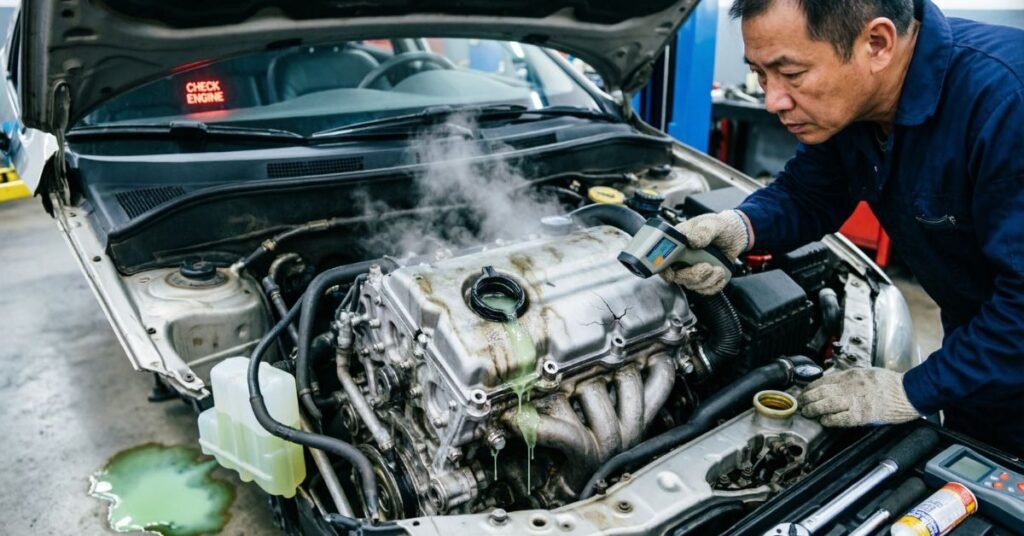
Pictures can clearly show when a head gasket is failing. Milky oil, white smoke, or coolant leaks are strong signs. Burned, cracked, or missing gasket edges confirm damage. Steam-washed pistons or bubbling coolant also indicate serious internal leaks. Visual evidence helps you decide if repair is necessary before more damage occurs.
Here are some picture clues that confirm a repair is needed:
- Milky or creamy oil – coolant mixing with engine oil
- Thick white smoke from exhaust – internal coolant burning
- Wet spots on cylinder head or gasket seam – external leak
- Cracked or burned gasket edges – physical damage to the seal
- Bubbles in radiator or coolant tank – combustion gases entering coolant
- Steam-washed or residue-covered pistons – internal leak evidence
- Rust or corrosion along gasket line – long-term fluid leakage
- Pooling fluids under engine – external leak visible
- Warped or discolored metal near gasket – overheating damage
- Foamy oil or coolant residue inside engine – prolonged internal mixing
Visual Checklist Before Visiting a Mechanic
• Check oil color – look for milky or creamy oil on the dipstick
• Inspect exhaust – notice thick white smoke or unusual steam
• Look at coolant system – check for leaks, bubbles, or strange discoloration
• Examine cylinder head seams – wet spots, rust, or corrosion may appear
• Inspect pistons if visible – steam-washed or residue-covered tops
• Observe under the car – pooling fluids or wet spots can indicate leaks
Conclusion
Blown head gaskets are serious but often avoidable if caught early. Pictures help car owners see the problem clearly. Milky oil, white smoke, and coolant leaks are key signs. Comparing real images with normal engine conditions makes spotting issues easier.
Visual evidence saves time and money. It helps you understand the problem before visiting a mechanic. Early detection prevents bigger engine damage. Using images as a guide makes diagnosing and deciding repairs faster and more confident.
FAQs
1. What is a blown head gasket?
A blown head gasket is when the seal between the engine block and cylinder head fails. This causes oil, coolant, or combustion gases to mix.
2. How can I spot a blown head gasket from pictures?
Look for milky oil, white smoke, or coolant leaks in images. Cracked or burned gasket edges are also strong visual signs.
3. Can white smoke from exhaust always mean a blown gasket?
Not always; it could be condensation, especially on cold mornings. Persistent thick white smoke is the main warning in pictures.
4. Are all coolant leaks a sign of a blown head gasket?
No, leaks can come from hoses, water pumps, or radiators. Images help identify if the leak is truly from the gasket.
5. Should I visit a mechanic immediately if pictures show signs?
Yes, early detection prevents bigger engine damage. Visual evidence helps the mechanic diagnose and plan repair accurately.
