


Introduction:
A coolant flush is a service that removes old coolant from your car’s cooling system and replaces it with fresh fluid. It also clears rust, dirt, and harmful deposits from inside the radiator and engine passages. This helps the cooling system work smoothly. It is more effective than just topping up coolant.
Many drivers ignore coolant service until the engine starts overheating. Repairs and breakdowns can be costly as a result.. A simple coolant flush can prevent many of these problems early. It saves money and protects your engine in the long run.
The benefits of coolant flush include better engine temperature control, longer radiator life, and improved performance. It also helps prevent corrosion and blockage in the system. Regular flushing keeps your car reliable and road-ready. That’s why every car owner should understand its importance.
What Is a Coolant Flush?
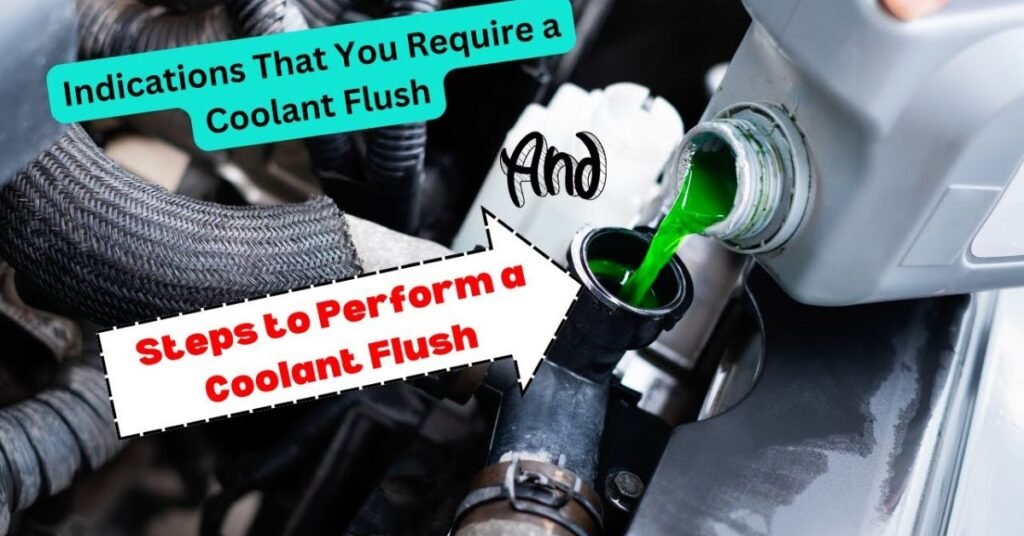
A coolant flush is a maintenance service for your car’s cooling system. In this process, all the old coolant is fully drained out. The system is then cleaned to remove rust, scale, and dirty buildup. After cleaning, fresh coolant is added. This helps the radiator and engine stay cool and work properly.
It is different from just adding more coolant to the tank. A top-up only increases the fluid level, but a flush replaces everything inside. Over time, coolant loses its strength and becomes contaminated. A flush resets the system with clean fluid. This keeps the engine safer and more efficient.
Why Coolant Flushes Are Important for Your Car
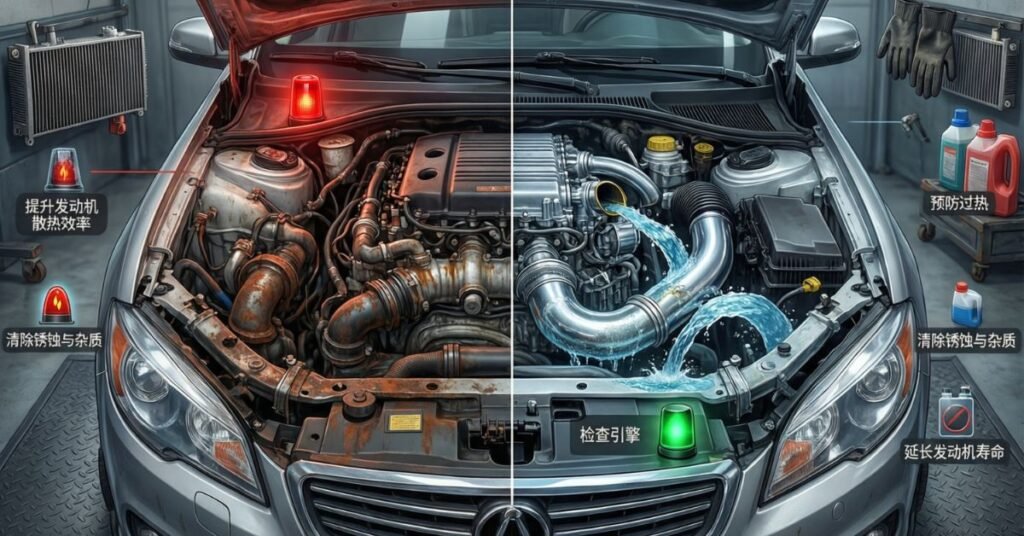
Coolant flushes keep your engine safe from overheating. Old coolant becomes weak and dirty over time. It cannot control temperature properly. Rust and sludge can also build up inside the system. A flush removes this harmful buildup and adds fresh coolant. This helps your cooling system run smoothly.
Ignoring coolant service can lead to expensive damage. The radiator, water pump, and hoses can suffer. Engine temperature may rise faster than normal. Regular coolant flushes reduce these risks and improve reliability.
Key reasons coolant flushes matter:
- Helps prevent engine overheating
- Removes rust and sludge from the system
- Protects radiator and water pump
- Improves cooling efficiency
- Extends engine and system life
- Lowers risk of costly repairs
Key Benefits of a Coolant Flush
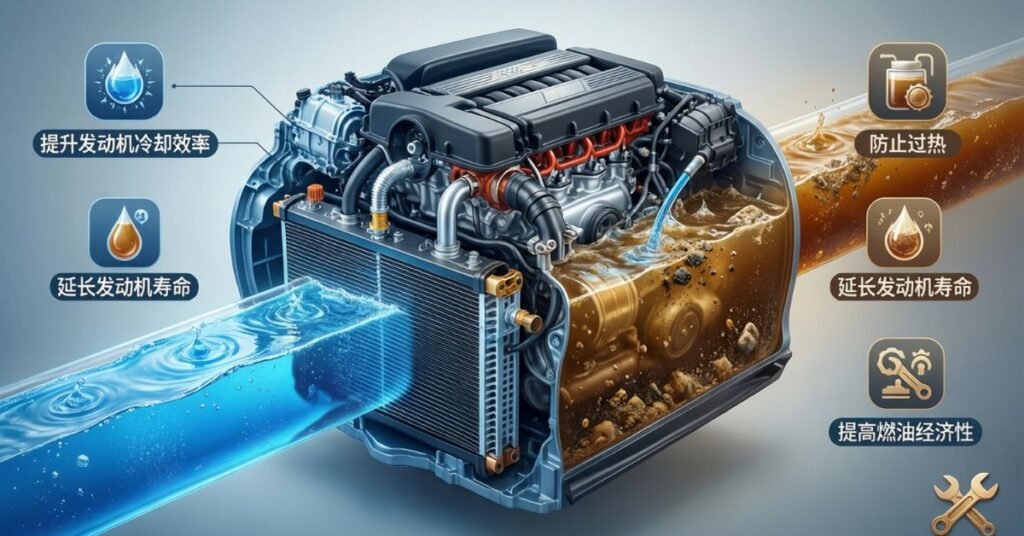
- Removes old, contaminated coolant completely from the system
- Clears rust particles and mineral deposits from passages
- Restores proper heat transfer inside the engine block
- Helps maintain stable engine temperature in all seasons
- Reduces chances of sudden overheating on long drives
- Protects radiator from internal corrosion damage
- Extends the working life of water pump and thermostat
- Improves overall cooling system efficiency
- Supports better engine performance under load
- Lowers risk of gasket and hose failure
- Keeps coolant pH level balanced and safe
- Helps detect hidden leaks during service
- Prevents sludge that can block narrow coolant channels
- Saves money by avoiding major repair bills
- Keeps your car more reliable for daily use
Removes Rust, Sludge & Contaminants
- Flush pushes out rust flakes stuck inside radiator walls
- Breaks down thick sludge formed from old coolant
- Washes away dirt and metal particles from circulation paths
- Cleans narrow coolant channels that easily get blocked
- Removes acidic residue that slowly eats metal parts
- Stops debris from damaging the water pump seal
- Prevents clogging in heater core and small hoses
- Clears leftover chemical deposits from mixed coolants
- Reduces contamination that weakens heat transfer
- Helps fresh coolant stay clean for a longer time
- Improves internal fluid flow across the whole system
- Lowers risk of corrosion spreading inside engine passages
- Keeps temperature sensors from getting coated with buildup
- Supports smoother and safer cooling operation overall
Prevents Engine Overheating
A coolant flush helps your engine stay at the right temperature. Fresh coolant absorbs and releases heat more effectively. Old coolant loses its cooling strength over time. Dirt and deposits also reduce heat flow. Flushing restores proper cooling performance.
An overheated engine can cause serious damage. It can affect gaskets, hoses, and metal parts. Regular flushing keeps coolant clean and active. It supports smooth temperature control during traffic and long drives.
- Keeps coolant heat-transfer ability strong
- Removes buildup that traps excess heat
- Improves coolant flow through engine channels
- Helps radiator work at full efficiency
- Reduces temperature spikes in hot weather
- Protects engine parts from heat stress
- Lowers risk of breakdown due to overheating
- Supports stable performance in heavy traffic
- Helps cooling fans and thermostat work better
- Adds safety during long-distance driving
Protects Against Corrosion & Rust
A coolant flush removes acidic and dirty coolant. This stops rust from forming inside the radiator and engine. Metal parts stay strong and last longer. Clean coolant protects the system from early wear.
- Prevents rust on radiator walls
- Stops corrosion in engine passages
- Protects metal parts like clamps and hoses
- Keeps heater core safe from buildup
- Reduces pitting in water pump and thermostat
- Maintains coolant pH balance
- Prevents slow damage that can lead to leaks
Lubricates Water Pump & Seals
Fresh coolant contains additives that lubricate moving parts. The water pump and seals work smoothly. This prevents friction and wear over time. Proper lubrication avoids leaks and pump failure.
- Keeps water pump moving parts friction-free
- Lubricates seals and gaskets to prevent leaks
- Reduces wear on hoses and clamps
- Supports smooth thermostat operation
- Helps pump handle engine load efficiently
- Extends the lifespan of coolant system components
- Lowers noise caused by worn water pumps
Enhances Overall Engine Performance
Clean coolant helps the engine run at optimal temperature. The engine works efficiently without overheating. A well-maintained cooling system improves power and response.
- Maintains stable engine temperature
- Improves combustion efficiency
- Reduces engine strain in hot conditions
- Supports smooth acceleration and power delivery
- Prevents sudden performance drops due to heat
- Helps sensors and electronics function better
- Ensures reliable performance on long drives
Improves Fuel Efficiency
A cooler, well-maintained engine burns fuel more efficiently. Old coolant can make the engine work harder. Flushing restores optimal temperature control, saving fuel over time.
- Reduces energy loss from overheating
- Helps engine burn fuel more completely
- Lowers unnecessary idling strain
- Supports efficient airflow through radiator
- Maintains proper operating temperature for sensors
- Saves money on fuel in daily driving
- Prevents performance dips that increase consumption
Reduces Risk of Costly Repairs
Regular coolant flushes prevent serious engine problems. Rust, sludge, and overheating can cause expensive repairs. Keeping the system clean protects your wallet.
- Prevents radiator and water pump failure
- Stops gasket and seal damage
- Reduces risk of engine overheating breakdown
- Protects hoses from bursting or cracking
- Avoids clogging in heater core and passages
- Keeps cooling system reliable long-term
- Lowers chances of emergency repair costs
Signs Your Car Needs a Coolant Flush
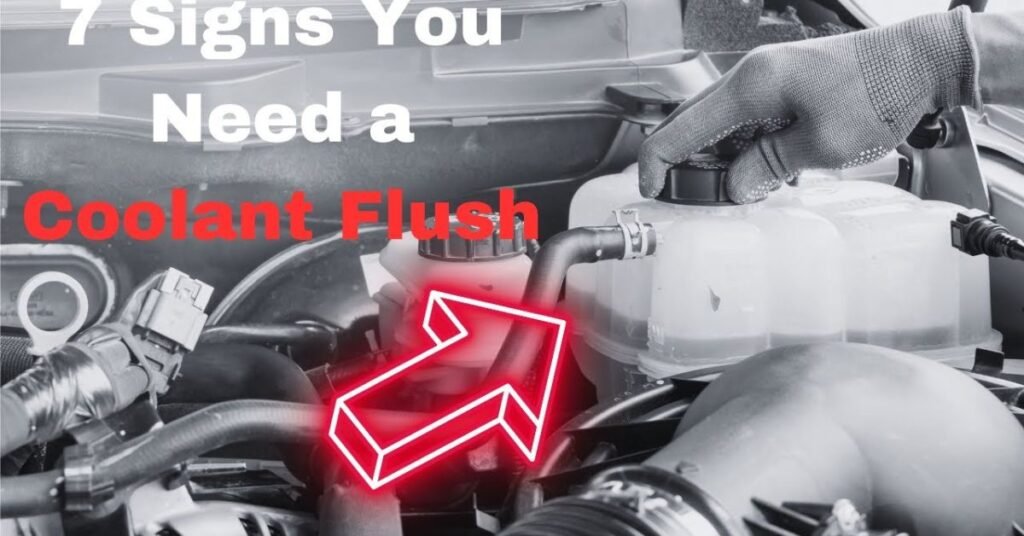
Over time, your car’s coolant can get dirty or lose its strength. This affects the engine’s ability to stay cool. Ignoring it can cause overheating and damage. Watching for early signs helps prevent costly repairs.
- Engine temperature rises faster than normal
- Coolant appears rusty, dirty, or has particles
- Strange smells from the radiator or engine
- Overheating during short or long drives
- Heater not working properly in cold weather
- Coolant level drops quickly without leaks
- White or colored deposits near radiator cap
- Strange noises from the water pump
- Warning lights on the dashboard
- Reduced engine performance under load
- Sudden temperature spikes on the gauge
- Hoses feel brittle or swollen
- Steam or smoke from under the hood
- Sludge or thick residue inside the coolant reservoir
This gives a clear picture of when a flush is necessary and helps keep the car running reliably.
Coolant Flush vs. Simple Coolant Top-Off
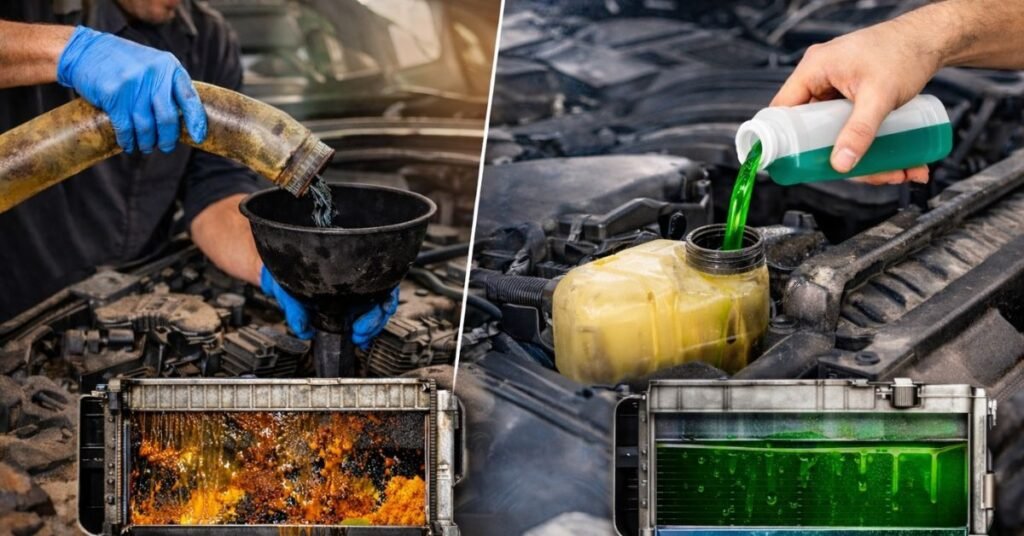
A coolant flush completely removes old fluid and cleans the system. It replaces it with fresh coolant and protects the engine. A simple coolant top-off just adds fluid to the existing coolant. It does not remove dirt, rust, or sludge. Over time, a top-off may not prevent overheating or corrosion.
A flush keeps the cooling system working efficiently. It improves engine performance and prevents damage. A top-off is quick and cheap but only a temporary solution. Choosing a flush regularly is better for long-term maintenance.
| Feature | Coolant Flush | Simple Coolant Top-Off |
| Removes old coolant | ✅ Yes | ❌ No |
| Cleans radiator & engine | ✅ Yes | ❌ No |
| Removes rust & sludge | ✅ Yes | ❌ No |
| Prevents corrosion | ✅ Yes | ❌ Limited |
| Improves heat transfer | ✅ Yes | ❌ No |
| Reduces overheating risk | ✅ Yes | ❌ Limited |
| Protects water pump & seals | ✅ Yes | ❌ No |
| Extends engine life | ✅ Yes | ❌ Limited |
| Cost | Moderate | Low |
| Time required | Longer | Short |
| Frequency recommended | Every 2–3 years | As needed |
| Ideal for old or high-mileage cars | ✅ Yes | ❌ No |
This comparison shows why a full coolant flush is a smarter choice for long-term engine health. A top-off is useful only as a short-term fix.
How Often Should You Get a Coolant Flush?
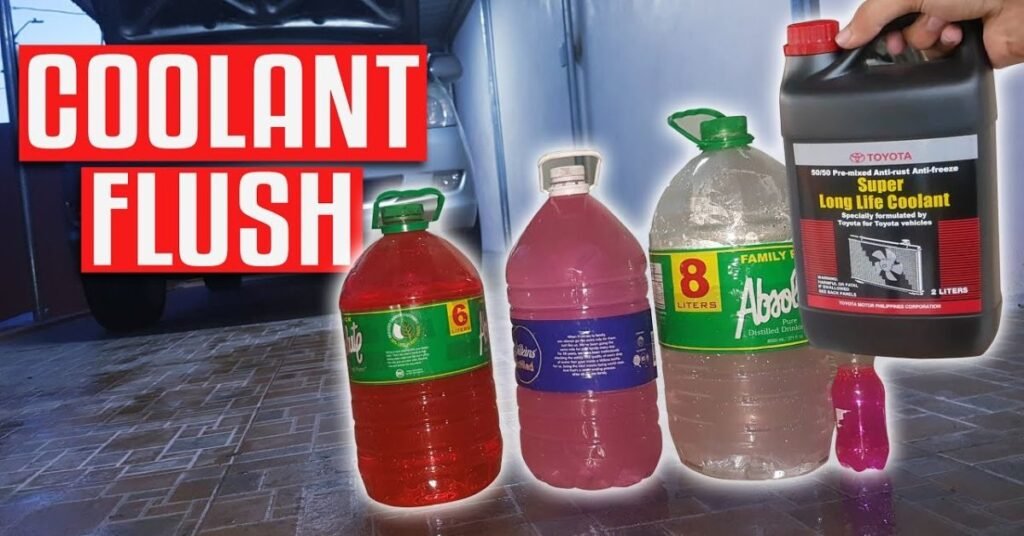
The frequency of a coolant flush depends on your car and driving conditions. Most manufacturers recommend a flush every 2–3 years or 30,000–50,000 miles. Older cars or heavy-duty use may need it more often. Regular flushing keeps the engine cool and prevents buildup.
Paying attention to signs like dirty coolant or rising engine temperature can help decide when to flush. Skipping it can lead to overheating and costly repairs. Staying on schedule protects your engine and keeps the cooling system efficient.
Recommended Coolant Flush Tips:
- Every 2–3 years for most cars
- Every 30,000–50,000 miles as standard
- Older cars: check annually
- Heavy traffic or hot climate: flush sooner
- After mixing different types of coolant
- If coolant looks rusty or has debris
- Before a long road trip for safety
- When performing major engine service
- Follow manufacturer’s owner manual guidelines
- Always use the correct type of fresh coolant
This keeps your car running smoothly and avoids unexpected engine problems.
DIY Coolant Flush vs. Professional Service
A DIY coolant flush allows car owners to save money and learn about their vehicle. You can drain the old coolant, flush the system with water or cleaner, and refill it yourself. However, it requires proper tools, safety precautions, and knowledge of the cooling system. Mistakes can cause leaks or damage.
Professional service is faster and safer. Mechanics use the right tools and equipment to fully flush the system. They can also inspect parts like the radiator, hoses, and water pump for issues. Though it costs more, it reduces risk and ensures the job is done correctly.
| Feature | DIY Coolant Flush | Professional Service |
| Cost | Low | Moderate–High |
| Tools needed | Yes, must buy | Provided by service center |
| Time required | 1–2 hours | 30–60 minutes |
| Safety risk | Moderate | Low |
| Skill required | Medium | Low |
| Removes all rust & sludge | Depends on technique | ✅ Yes |
| Inspect radiator & hoses | ❌ Limited | ✅ Yes |
| Correct coolant type | Must check manually | ✅ Guaranteed |
| Warranty on work | ❌ No | ✅ Often included |
| Convenience | Flexible schedule | Quick & reliable |
| Overfill/underfill risk | High | Low |
| Ideal for | Experienced DIYers | Everyone |
Choosing between DIY and professional service depends on skill, time, and how much risk you want to take. A professional service gives peace of mind, while DIY can save money if done carefully.
Conclusion
A coolant flush is one of the easiest ways to protect your car’s engine. It removes old fluid, rust, and sludge, keeping the cooling system clean. Regular flushing helps prevent overheating, corrosion, and costly repairs. It also improves engine performance and fuel efficiency.
Whether you do it yourself or get professional service, staying on schedule is important. Watching for signs like dirty coolant or rising temperature can help you decide when to flush. A clean cooling system keeps your car reliable, safe, and ready for the road. Regular maintenance always saves money and stress in the long run.
FAQs
1. What is a coolant flush and why is it important?
A coolant flush is a maintenance service that completely removes old coolant from your car’s cooling system. It also clears rust, sludge, and harmful deposits, which keeps the engine running cooler and prevents expensive damage over time.
2. How often should I get a coolant flush?
Most cars need a coolant flush every 2–3 years or around 30,000–50,000 miles. However, older vehicles, frequent city driving, or hot climates may require more frequent flushing to maintain proper engine temperature and system health.
3. Can I just top off the coolant instead of flushing?
Adding coolant only increases the fluid level and does not remove dirt, rust, or sludge. A full coolant flush cleans the system completely, protects engine parts, improves cooling efficiency, and reduces the risk of overheating.
4. Can I do a coolant flush myself?
Yes, a DIY flush is possible if you have the proper tools and know how to safely drain, clean, and refill the system. But mistakes, like overfilling or leaving debris behind, can cause leaks or engine damage, so professional service is often safer.
5. What are the signs that my car needs a coolant flush?
Signs include rusty or dirty coolant, rising engine temperature, poor heater performance, or strange smells from the radiator. Paying attention to these early signs helps prevent overheating, corrosion, and costly repairs in the future.
