


Introduction
Antifreeze keeps your car engine cool in summer and prevents freezing in winter. It also protects against rust and corrosion. The most common types are yellow and green antifreeze, each with different chemicals and properties.
Choosing the right antifreeze can be tricky. Many car owners get them confused or use the wrong type, which can shorten engine life or cause damage. Understanding the differences helps you protect your engine and avoid costly repairs.
This guide explains the key differences between yellow and green antifreeze. You’ll learn which one works best for your car and why it matters, so you can confidently choose the right coolant.
Yellow vs Green Antifreeze: What’s the Real Difference?
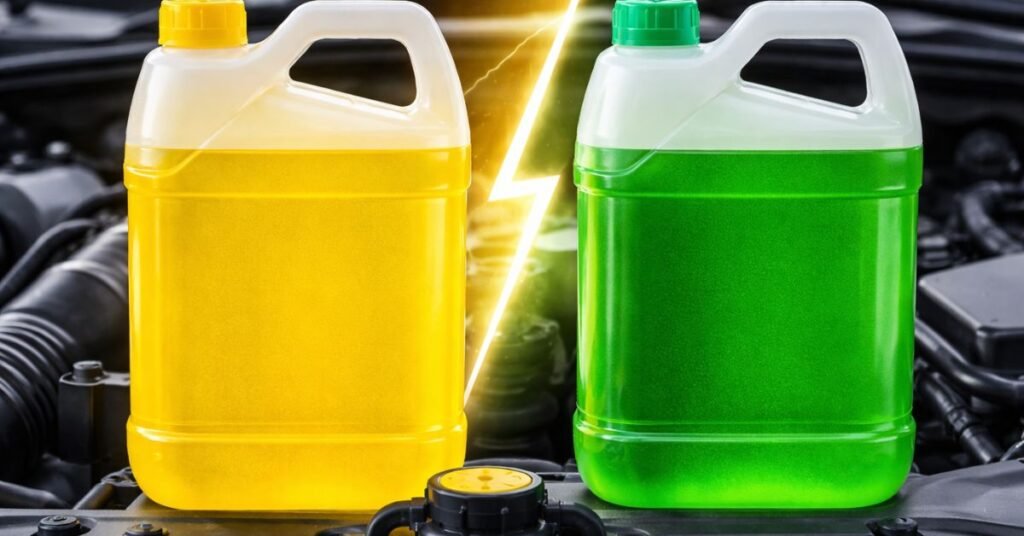
Yellow and green antifreeze may look similar, but their formulas differ. Green antifreeze usually uses the older IAT formula, lasting about 2 years. Yellow antifreeze uses OAT or hybrid formulas that can last 5 years or more. Each type protects the engine differently, so using the wrong one can cause rust, corrosion, or overheating.
Compatibility is another key difference. Green is best for older cars, while yellow suits newer engines. Mixing them can reduce their effectiveness. Remember, color alone isn’t enough—the chemical composition is what really matters.
What Do Antifreeze Colors Mean?
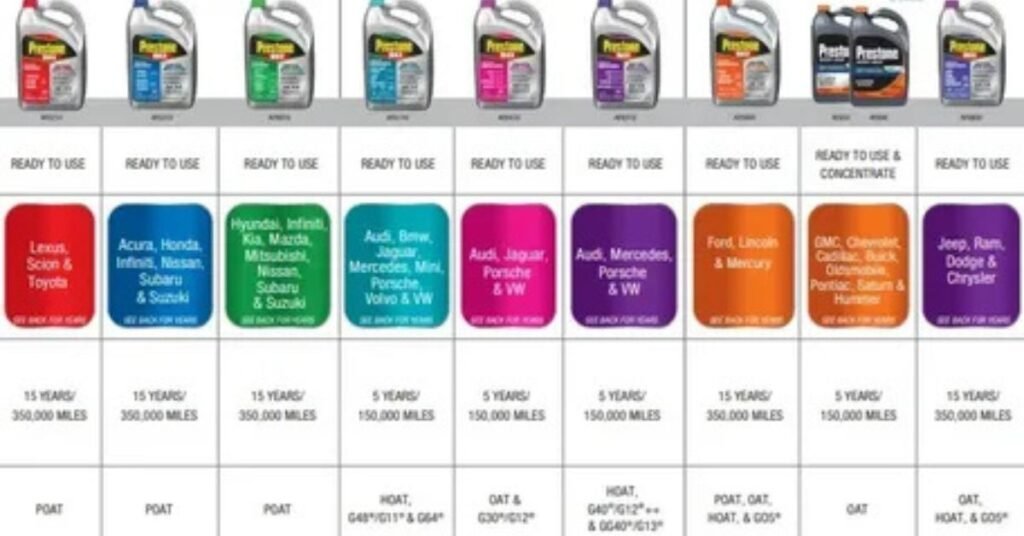
Antifreeze colors indicate the formula type and lifespan. They also help mechanics identify which cars they work with. But always check the label or owner’s manual because colors can be misleading.
- Green: Older formula, lasts ~2 years, for older cars
- Yellow/Gold: Newer formula, lasts 5+ years, for modern engines
- Orange/Red: Hybrid formulas, often for Asian cars
- Blue/Purple: High-performance or European cars
Knowing the colors helps you pick the right coolant, protect your engine, and prevent rust.
Green Antifreeze Explained
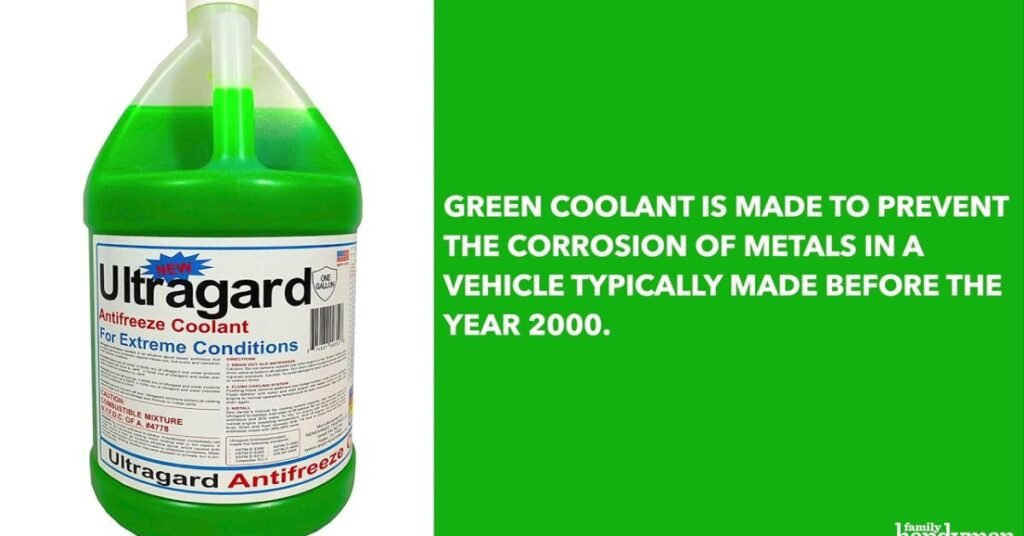
Green antifreeze is the classic type for older cars. It contains silicates to prevent rust and corrosion. Its lifespan is shorter, about 2 years or 30,000 miles, so it needs frequent changes. It works well in engines designed for it but may not suit modern cooling systems.
Compatibility: Mixing green with newer formulas like yellow can reduce effectiveness. Always check your car manual. Using the correct green antifreeze keeps your engine cool and avoids expensive repairs.
What Is Green Coolant (IAT)?
Green coolant, also called IAT (Inorganic Additive Technology), uses silicates and phosphates to protect against rust. Protection lasts about 2 years or 30,000 miles, making it ideal for older cars. Mixing it with newer types can reduce performance, so stick with the recommended coolant.
When and Where Green Coolant Is Used
- Older cars made before mid-2000s
- Classic vehicles and vintage trucks
- Engines designed for IAT coolant
- Brass and copper radiators
- Short service intervals (~2 years)
- Many American cars from the 1980s–1990s
- Where silicate protection is needed
- Not suitable for modern aluminum engines
- Should never be mixed with newer types
- Always follow the owner’s manual
Yellow Antifreeze Explained
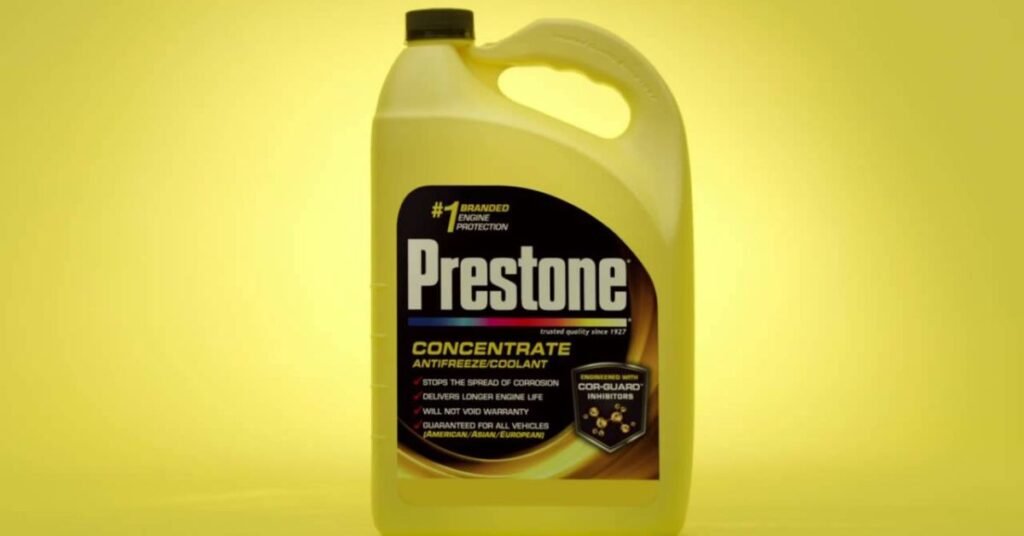
Yellow antifreeze is modern, often using OAT or hybrid formulas that protect engines for 5+ years. It prevents rust, corrosion, and scale buildup. Yellow works well with aluminum engines and modern radiators, requiring less frequent changes. Mixing it with other types can reduce protection, so always follow your manual.
What Is Yellow Coolant (HOAT)?
Yellow coolant often uses HOAT (Hybrid Organic Acid Technology), combining old and new formula benefits. It protects against rust and corrosion, lasts 5+ years, and is safe for modern aluminum engines. Always confirm compatibility with your vehicle.
Vehicles and Conditions Where Yellow Works Best
- Modern cars and trucks post-2000
- Ford, Chrysler, and GM vehicles (check manual)
- Mixed-metal engines (aluminum + plastic parts)
- High-temperature engines and long highway driving
- Hot climates
- Long-life coolant needs (5+ years)
- Daily-driven vehicles and stop-and-go traffic
Yellow vs Green Coolant Performance & Longevity
- Yellow: Protects aluminum and plastic, long-lasting, handles heat well, reduces rust/scale, preferred for modern engines, good for daily driving and long trips.
- Green: Older formula, cools fast but short lifespan, frequent changes needed, protects iron engines, cheaper, reliable for older vehicles.
Yellow vs Green Coolant Comparison Table
| Feature | Yellow Coolant | Green Coolant |
| Typical Lifespan | 5 years / 150,000 miles | 2–3 years / 30,000–50,000 miles |
| Engine Type Support | Modern engines | Older engines |
| Metal Protection | Excellent for aluminum/plastic | Good for iron/copper |
| Heat Resistance | High | Medium |
| Rust Prevention | Very strong | Moderate |
| Scale Buildup Control | Low | Higher over time |
| Maintenance Frequency | Low | High |
| Best Climate Use | Hot/mixed | Mild |
| Compatibility | Not always mix-safe | Not mix-safe with yellow |
| Cost | Slightly higher | Lower |
| Daily Driving | Excellent | Fair |
| Long-Trip Performance | Very good | Average |
| Eco Impact | Less waste | More waste |
Can You Mix Green and Yellow Coolant?
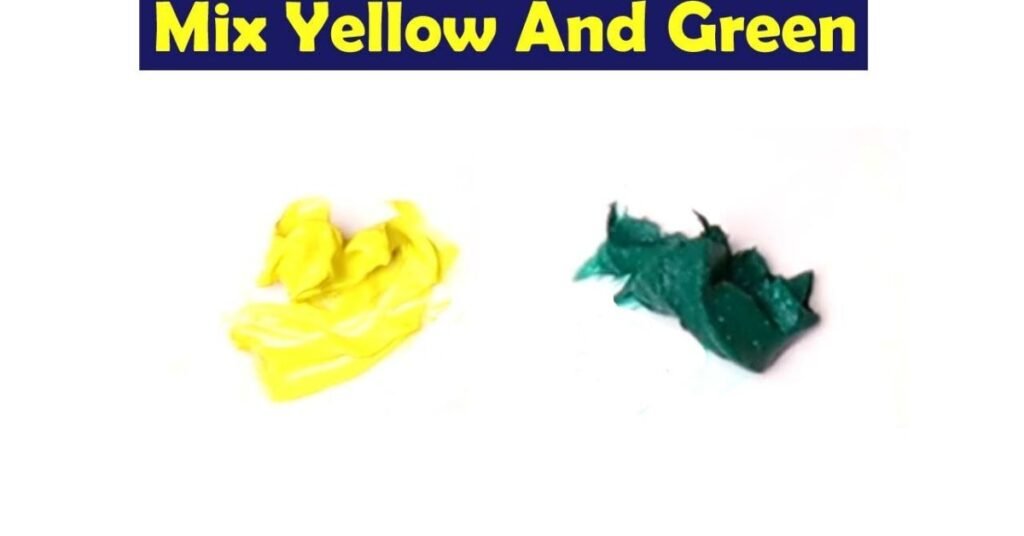
No. Green and yellow use different chemicals. Mixing them can create sludge, block flow, damage the radiator/water pump, weaken cooling, and increase overheating risk.
- Stick to the existing coolant type
- Flush the system when switching
- Add only one coolant type at a time
Key Points to Remember
- Never mix green and yellow
- Mixing can cause sludge and clogs
- Cooling performance weakens
- Overheating risk rises
- Always flush before switching
- Use one type at a time
- Check the owner’s manual
How to Choose the Right Coolant for Your Car
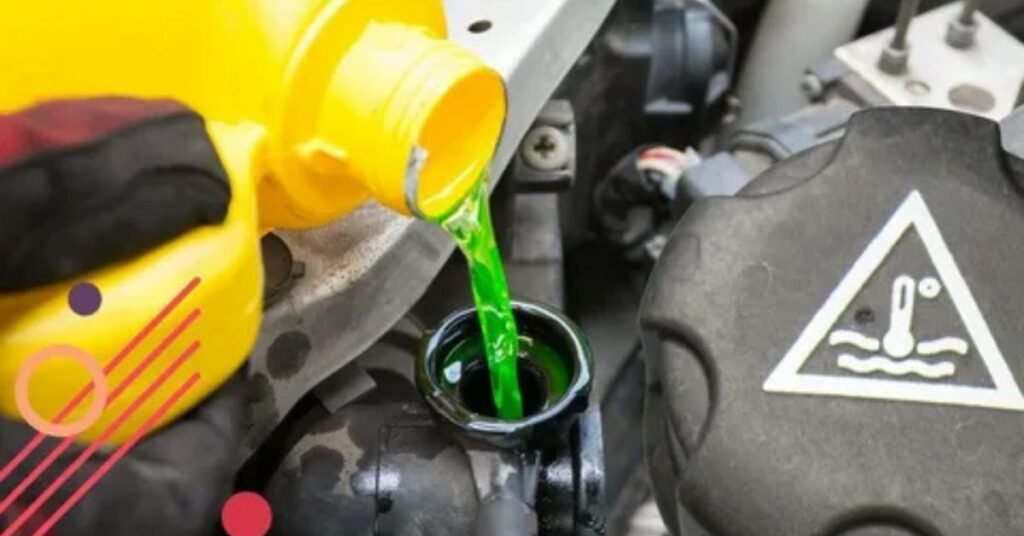
Choosing the right coolant is essential. Wrong types can damage your engine. Always check your owner’s manual for the exact type. Look at the current radiator fluid but match the formula, not just the color.
- Older cars → green
- Modern cars → yellow or long-life coolants
- Consider climate and driving conditions
- Hot weather → better heat protection
- Long trips → long-life coolant
- Ask a mechanic if unsure
Simple Tips
- Follow the owner’s manual
- Match formula, not just color
- Green for older vehicles
- Yellow for modern vehicles
- Long-life coolant for long trips
- Use high-quality brands
- Never mix types
- Flush system if switching
Check Your Owner’s Manual First
The manual shows the exact coolant type and mix ratio. Using the wrong type can cause rust, damage seals/hoses, and lead to overheating. Follow instructions to keep the cooling system clean and working efficiently. Lost manual? Check the car maker’s website or ask a dealer.
Popular Universal or OEM Coolants for USA Cars
| Coolant Name | Type | Best Use | Color | Notes |
| Prestone All Makes & Models | Universal | Many cars & light trucks | Yellow/Green | Ready-to-use, extended life |
| Prestone DEX-COOL | OEM-style | GM cars & trucks | Orange/Red | Many GM vehicles |
| Ford VC-7-B Antifreeze | OEM | Ford & Lincoln | Yellow | Needs water mix |
| Valvoline MaxLife Universal | Universal | Most cars | Green/Yellow | Good for mixed fleets |
| Valvoline Zerex G-05 | Universal | Cars & light trucks | Turquoise/Green-Blue | Long-life, low phosphate |
| Valvoline Zerex Original Green | Universal | Older cars | Green | Traditional coolant |
| PEAK OET Extended Life Conc. | Universal/OEM | All makes | Gold | Concentrate |
| O’Reilly Universal Extended Life | Universal | Many vehicles | Yellow | Extended protection |
| GM VehicleCare Dex-Cool 50/50 | OEM | GM cars & trucks | Orange | Pre-mixed formula |
Signs Your Coolant Needs Changing
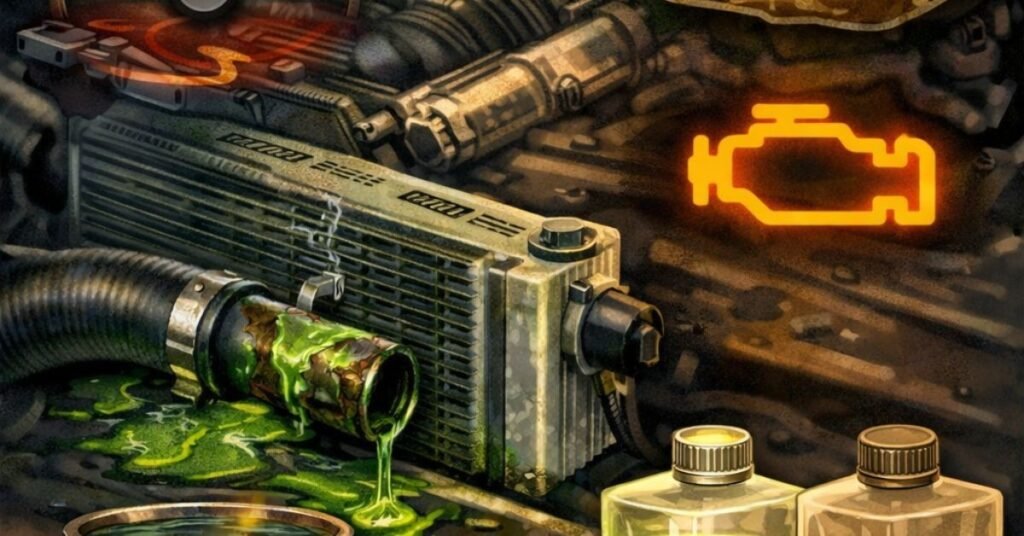
Coolant loses effectiveness over time. Old or dirty coolant can harm your engine and stop cooling properly. Watch for these signs:
- Rusty, cloudy, or dirty coolant
- Frequent engine overheating
- Weak or no heater airflow
- Rapid coolant level drops without leaks
- Strange radiator smell
- Bubbles in the reservoir
- Sludge or thick deposits
- Dashboard warning light (temperature/check engine)
Conclusion
Using the right coolant is crucial to keep your engine running smoothly. Choosing the wrong type can cause rust, corrosion, and overheating.
Regularly check your coolant level and condition to ensure it is clean and effective. Flushing old coolant before switching types prevents sludge and blockages.
Always follow your car’s owner manual for the correct formula and maintenance schedule. Proper coolant care saves money, prevents engine damage, and extends engine life.
FAQs
1.How do I know when my coolant needs changing?
Coolant needs changing if it looks cloudy, rusty, or has particles. Old coolant can fail to protect the engine and cause overheating.
2.Can I mix yellow and green coolant?
No, mixing them creates sludge and can block the radiator or hoses. Always flush the system before switching to a new type.
3.What type of coolant should I use for my car?
Use the type recommended in your owner’s manual. Wrong coolant can damage seals, hoses, and reduce engine performance.
4.How often should I check my coolant level?
Check coolant at least once a month or before long trips. Low levels can lead to overheating and serious engine damage.
5.Is universal coolant safe for all vehicles?
Universal coolant works for many engines but not all. Always confirm compatibility with your car’s manual to avoid damage.
