


Introduction:
A steering rack is an important part of your car’s steering system. It helps move the wheels when you turn the steering wheel. A leak in the steering rack happens when fluid escapes from the system. This can make steering harder and may damage other parts.
If you notice a puddle under your car or feel the steering getting stiff, it could be a leak in the steering rack. It can lead to bigger problems and more expensive repairs if ignored.. That’s why it’s important to know the signs and act fast.
In this guide, we will explain the main causes of a leak in the steering rack. You will also learn simple fixes and preventive tips. By the end, you will know how to handle this issue safely and save money on repairs.
What Is a Steering Rack and How Does It Work?
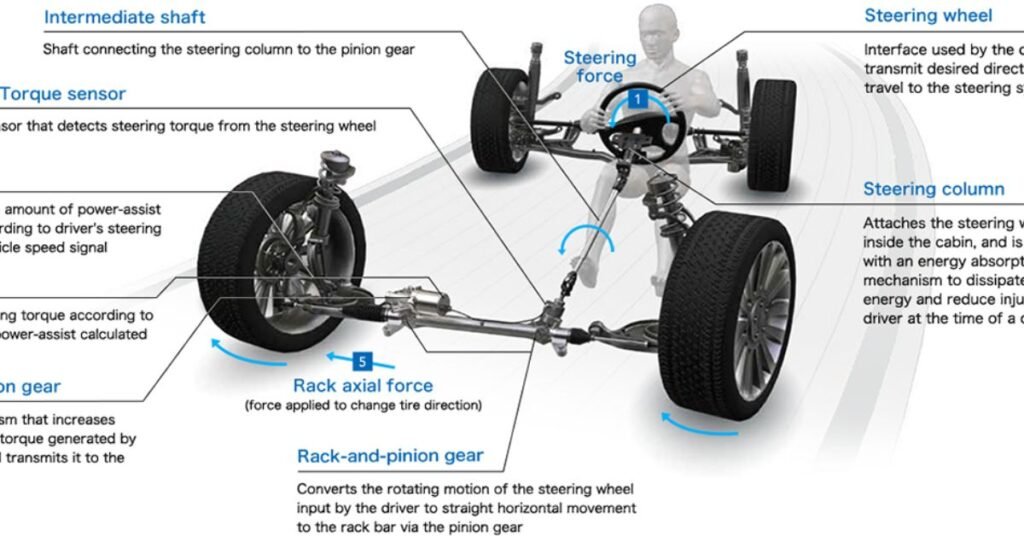
A steering rack is a key part of your car’s steering system. It connects the steering wheel to the wheels. When you turn the wheel, the steering rack moves the wheels left or right. It makes steering smooth and precise, so you can control your car safely.
Most steering racks use hydraulic or electric systems to help move the wheels easily. Hydraulic fluid or electric motors give extra power, so you don’t have to push hard on the wheel. Without a properly working steering rack, turning the car becomes difficult and unsafe.
Common Causes of a Leak in the Steering Rack
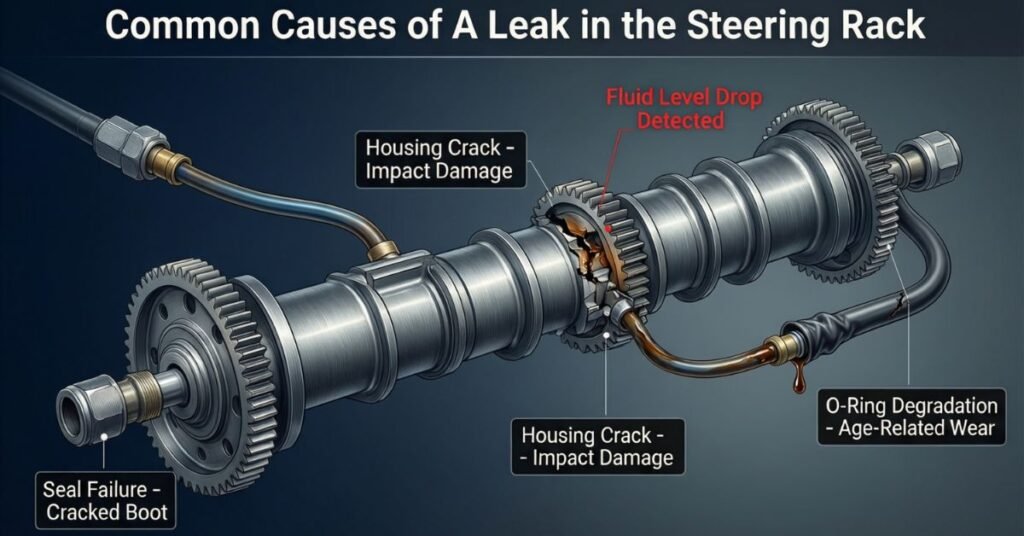
A leak in the steering rack can happen for many reasons. It usually starts small but can cause serious problems if ignored. Most leaks are related to worn parts or fluid issues. Knowing the common causes helps you fix the problem early.
Some common causes of a steering rack leak include:
- Worn seals: Over time, the seals inside the rack can crack or break.
- Damaged hoses: Power steering hoses can wear out or get loose.
- Fluid contamination: Dirty or old fluid can damage the rack.
- Accidents or impacts: Hitting curbs or potholes can cause cracks.
- High pressure: Too much pressure in the system can force fluid out.
Worn Seals & O-Rings
- Seals and O-rings stop fluid from leaking.
- Over time, they get hard, cracked, or brittle.
- Worn seals let fluid escape, causing leaks.
- Replacing them early prevents bigger damage.
Damaged Housing or Rack Body
- The rack body can crack from accidents or wear.
- Even small cracks can let fluid leak out.
- Rust or corrosion weakens the metal.
- Repair or replace the housing to fix leaks.
Loose or Cracked Hoses
- Steering rack fluid is carried by hoses.
- Loose connections let fluid drip out.
- Cracks develop from heat, age, or pressure.
- Checking hoses regularly helps avoid leaks.
High-Pressure Line Failures
- High-pressure lines handle the power steering fluid force.
- Over time, they can burst or leak at connections.
- Too much pressure stresses the lines and fittings.
- Replacing failing lines keeps steering safe and smooth.
Symptoms of a Steering Rack Leak
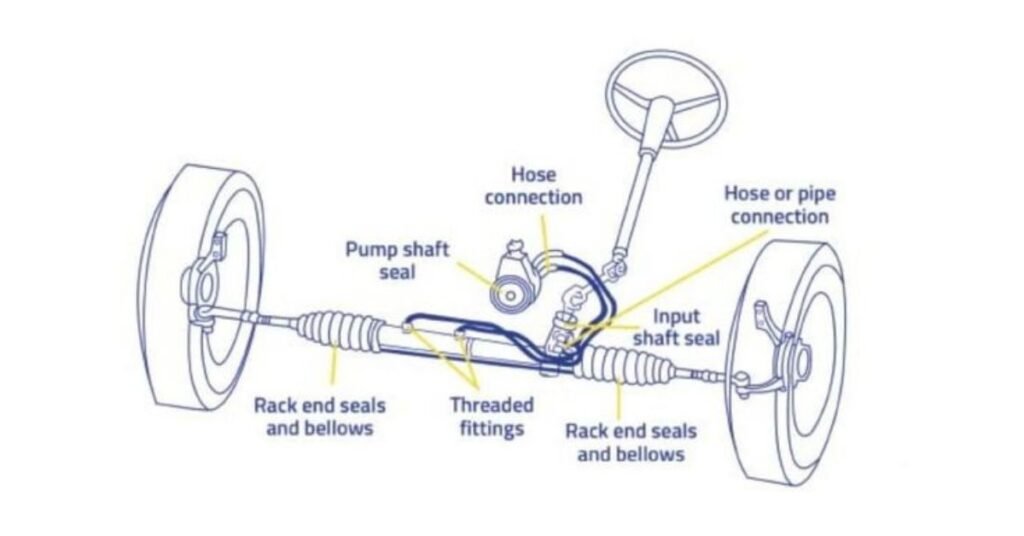
A steering rack leak doesn’t always show obvious signs at first. But if ignored, it can make steering harder and unsafe. Watching for symptoms early helps you fix the problem before it gets worse.
Common signs of a steering rack leak include:
Fluid puddles under the car: Red or brown power steering fluid on the ground.
Difficulty turning the wheel: Steering feels stiff or heavy.
Noisy steering: Whining, squealing, or groaning sounds when turning.
Low fluid levels: Frequent need to top up power steering fluid.
Fluid Spots & Puddles
- Look for red, brown, or clear fluid under your car.
- Small drips can grow into bigger puddles over time.
- Fluid spots often appear near the front wheels.
- Regular checks help catch leaks early.
Stiff Steering or Hard Turns
- Steering may feel heavy or hard to move.
- Turning takes more effort than usual.
- The car may not respond smoothly to wheel movements.
- This often happens when fluid is low or leaking.
Noises When Turning
- You might hear whining, squealing, or groaning.
- Noises often get louder when turning sharply.
- It can signal low fluid or internal damage.
- Addressing it early prevents bigger problems.
Low Power Steering Fluid Levels
- Check your power steering reservoir often.
- Frequent topping up means there could be a leak.
- Low fluid can cause steering damage if ignored.
- Keeping fluid at the right level keeps steering smooth.
How to Diagnose a Steering Rack Leak
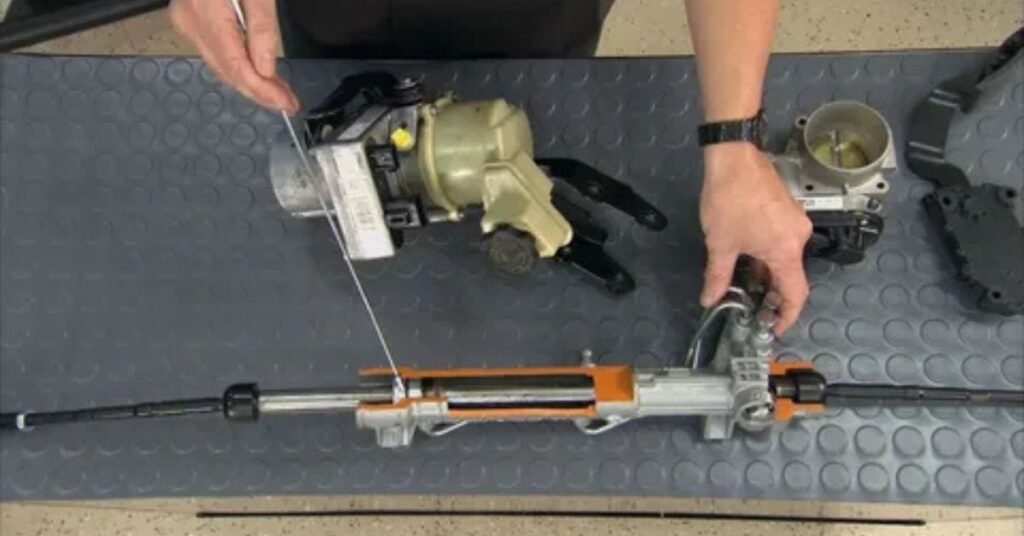
Diagnosing a steering rack leak early can save you time and money. There is no need to call a mechanic every time there is a problem.. With careful observation, you can find signs of leaks and take action before serious damage happens.
Here’s how to check for a steering rack leak:
- Inspect under the car: Look for fluid puddles or wet spots near the steering rack.
- Check the power steering fluid: Low levels may indicate a leak.
- Examine hoses and connections: Look for cracks, looseness, or damage.
- Listen while turning: Whining or groaning sounds can signal leaks.
- Check for steering stiffness: Hard or jerky turns may be caused by low fluid from a leak.
Visual Inspection Checklist
- Look under the car for wet spots or puddles.
- Check the steering rack and surrounding parts for fluid.
- Inspect hoses, fittings, and seals for cracks or damage.
- Notice any rust, corrosion, or worn-out components.
Fluid Level Monitoring
- Check the power steering reservoir regularly.
- Make sure the fluid is at the recommended level.
- Watch for sudden drops in fluid over a few days.
- Keep an eye on fluid color; dark or dirty fluid can signal trouble.
Leak Location Identification
- Trace the fluid from the puddle to its source.
- Focus on the rack, hoses, and connections.
- Look for drips while turning the steering wheel.
- Mark the exact spot to help with repairs or mechanic assessment.
Can You Drive With a Steering Rack Leak?
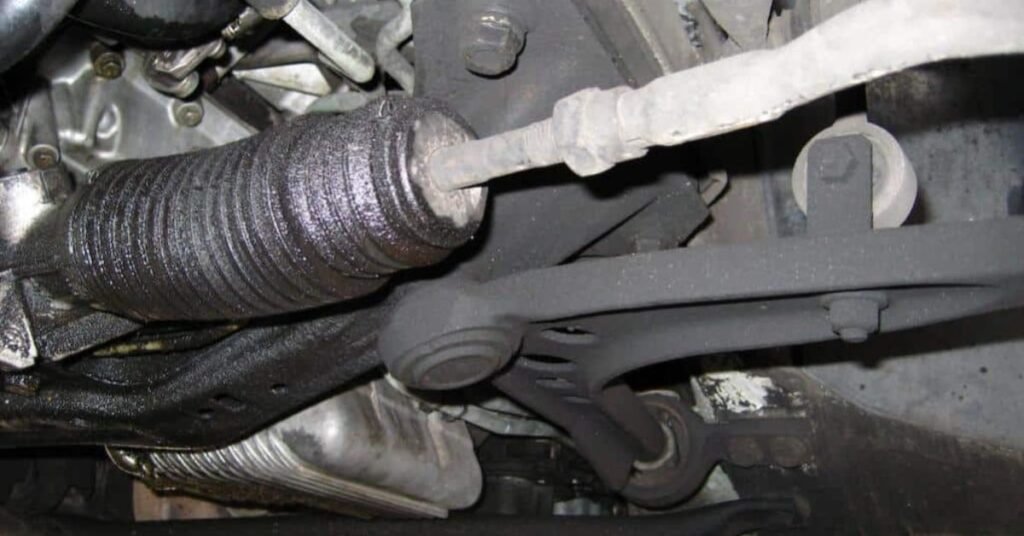
Driving with a steering rack leak is risky. The leak can lower your power steering fluid, making steering hard. Ignoring it can damage the steering system and other parts of your car. It’s important to know the dangers before you keep driving.
Here are some things to consider:
- Steering becomes heavy: Hard turns can be dangerous, especially at high speed.
- Fluid loss: Low fluid may lead to total steering failure.
- Noises and vibrations: Whining or shaking wheels can make driving unsafe.
- Damage over time: Continuing to drive can ruin the steering rack and increase repair costs.
- Safety first: If you notice a leak, it’s best to fix it before driving long distances.
Fixing a Leak in the Steering Rack: Repairs and Options
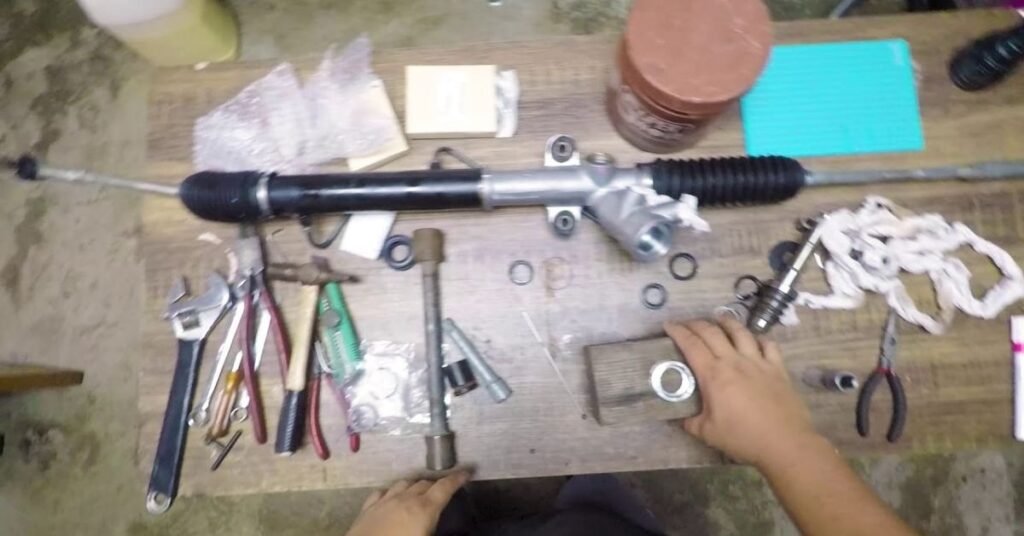
Fixing a steering rack leak depends on the cause and severity. Some leaks are minor and easy to repair, while others may need a full replacement. Knowing your options helps you choose the right solution and avoid bigger problems.
Here are common repairs and options:
- Replace worn seals or O-rings: Small leaks can often be fixed by changing the seals.
- Tighten or replace hoses: Loose or cracked hoses may stop leaks immediately.
- Repair damaged housing: Minor cracks or corrosion can sometimes be fixed by a professional.
- Full steering rack replacement: Severe leaks or internal damage usually require a new rack.
- Regular maintenance: Checking fluid levels and inspecting the system can prevent future leaks.
DIY Fixes vs Professional Repair
Some steering rack leaks can be fixed at home, while others need a mechanic. Small issues like loose hoses or minor seal leaks may be DIY-friendly. But complex problems can be risky to handle without tools or experience.
- DIY fixes save money but require basic tools.
- Professional repair is safer for severe leaks.
- Mechanics can spot hidden problems you might miss.
- Always weigh cost vs safety before deciding.
When to Replace Seals
Seals are the first thing to check if fluid is leaking. They wear out over time and cause small leaks. Replacing them early can prevent bigger damage.
- Replace seals if you see fluid dripping.
- Cracked, brittle, or hardened seals need replacement.
- Often cheaper than replacing the whole rack.
- Works best when the rack itself is still in good condition.
When to Replace the Entire Rack
Sometimes the steering rack itself is too damaged to repair. Cracks, corrosion, or internal wear may require a full replacement. Replacing the rack restores full steering performance and safety.
- Replace the rack if leaks keep returning.
- Severe damage or worn internal parts usually need replacement.
- The new rack ensures smooth steering and safety.
- Always consult a mechanic if unsure about the condition.
Cost to Repair or Replace a Leaking Steering Rack
The cost to fix a leaking steering rack can vary widely. Minor repairs like replacing seals or hoses are cheaper. Major repairs or a full replacement can be expensive. Prices depend on your car model, labor rates, and parts quality.You can plan your budget and avoid surprises by knowing the costs in advance.
The following is a list of common steering rack leak repairs and replacements:
| Repair/Replacement Type | Average Cost (Parts) | Average Cost (Labor) | Total Estimated Cost | Notes |
| Replacing seals or O-rings | $20 – $50 | $50 – $100 | $70 – $150 | Good for minor leaks, cheaper option. |
| Replacing hoses | $30 – $100 | $50 – $150 | $80 – $250 | Fixes leaks from cracked or loose hoses. |
| Repairing damaged housing | $50 – $200 | $100 – $250 | $150 – $450 | Works for small cracks or corrosion, professional recommended. |
| Power steering fluid flush | $50 – $100 | $50 – $100 | $100 – $200 | Optional, but recommended after repairs to prevent further leaks. |
| Full steering rack replacement | $300 – $1,200 | $200 – $500 | $500 – $1,700 | Needed for severe leaks or internal damage, safest long-term fix. |
| Steering rack rebuild (refurbished) | $200 – $600 | $150 – $400 | $350 – $1,000 | Cheaper than full replacement, but parts may be slightly used. |
Average Repair Cost
| Repair Type | Parts Cost | Labor Cost | Total Cost | Notes |
| Replacing seals or O-rings | $20 – $50 | $50 – $100 | $70 – $150 | Best for minor leaks, quick fix. |
| Replacing hoses | $30 – $100 | $50 – $150 | $80 – $250 | Fixes leaks from cracked or loose hoses. |
| Power steering fluid flush | $50 – $100 | $50 – $100 | $100 – $200 | Recommended after small repairs. |
| Repairing damaged housing | $50 – $200 | $100 – $250 | $150 – $450 | Small cracks or corrosion, professional work. |
Full Steering Rack Replacement Cost
| Car Type / Model | Parts Cost | Labor Cost | Total Cost | Notes |
| Economy Cars | $300 – $600 | $200 – $400 | $500 – $1,000 | Standard replacement for older cars. |
| Mid-Range Cars | $500 – $900 | $250 – $450 | $750 – $1,350 | More expensive parts and labor. |
| Luxury / High-End Cars | $800 – $1,200 | $300 – $500 | $1,100 – $1,700 | High-quality parts and complex installation. |
| Refurbished Steering Rack | $200 – $600 | $150 – $400 | $350 – $1,000 | Cheaper than full replacement, but slightly used parts. |
Alignment Cost After Repair
| Service Type | Cost Range | Notes |
| Standard Wheel Alignment | $75 – $150 | Needed after steering rack repairs. |
| 4-Wheel Alignment | $100 – $200 | Ensures all wheels are correctly aligned. |
| Luxury / Performance Cars | $150 – $300 | Some cars require specialized alignment. |
| DIY Monitoring / Check | $0 – $50 | Optional, check visually or with simple tools. |
Prevention and Maintenance Tips to Avoid Steering Rack Leaks
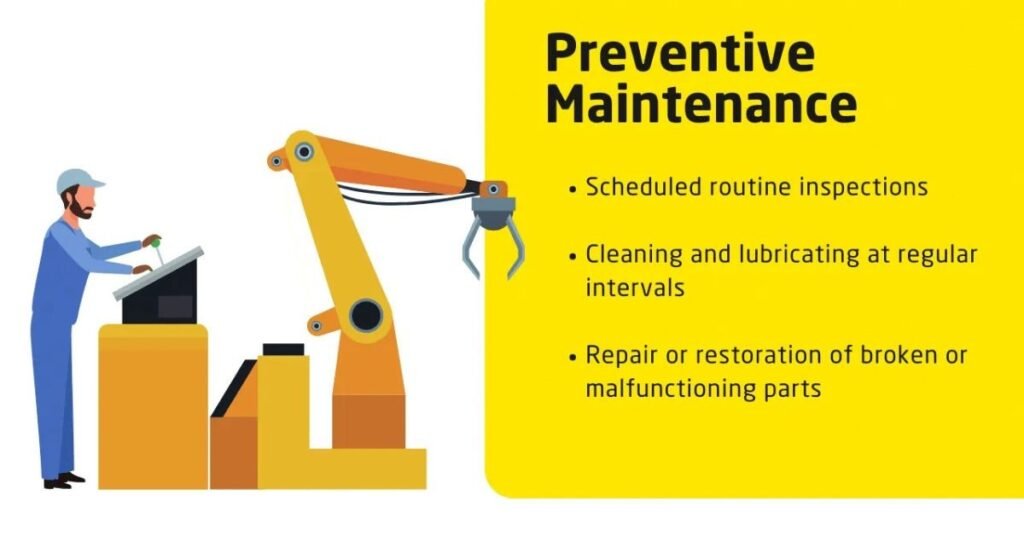
Preventing a steering rack leak is easier than fixing one. Regular checks and maintenance can save money and keep your steering smooth. Small habits like monitoring fluid and inspecting parts can stop leaks before they start.
Here are some tips to avoid steering rack leaks:
- Check fluid levels regularly: Keep power steering fluid at the correct level.
- Look for cracks, wear, or loose fittings on hoses and connections.
- Replace worn seals early: Old or brittle seals can cause leaks if ignored.
- Avoid rough driving: Hitting curbs or potholes can damage the rack.
- Flush power steering system periodically: Clean fluid reduces wear on parts.
- Listen and feel: Unusual noises or stiff steering may indicate a problem.
Conclusion
A leak in the steering rack is a serious issue. It can make steering hard and damage other parts of your car. Catching it early saves money and keeps your driving safe. Regular checks and maintenance are the best way to prevent problems.
Whether it’s a small seal leak or a full rack replacement, fixing it quickly is important. Watching for signs like fluid puddles, stiff steering, or unusual noises helps you act on time. Taking care of your steering system keeps your car smooth, safe, and reliable.
FAQs
1. What causes a steering rack to leak?
Leaks usually happen because of worn seals or O-rings inside the rack. Cracked hoses, damaged rack housing, or old contaminated fluid can also lead to leaks.
2. Can I drive with a leaking steering rack?
Driving is risky if the rack is leaking. It can make steering stiff, noisy, and may damage the system further, which can be costly.
3. How do I know if my steering rack is leaking?
Signs include fluid puddles under the car, whining noises when turning, or a stiff steering wheel. Frequent low power steering fluid is also a clear warning.
4. Can a leaking steering rack be repaired at home?
Minor leaks like worn seals or loose hoses can be fixed with basic tools. However, severe leaks or internal damage usually require professional repair.
5. How much does it cost to fix a leaking steering rack?
Small repairs like replacing seals or hoses cost around $70–$250. Full steering rack replacement may go up to $1,700 depending on car type and labor.
