


Introduction:
Coolant is the liquid that keeps your car’s engine from getting too hot or too cold. Over time, this fluid becomes dirty and loses its ability to protect the engine. Flushing coolant means removing the old fluid and replacing it with fresh coolant. This helps the cooling system work properly.
Many drivers ignore coolant until the engine starts overheating. That is a costly mistake. Old coolant can cause rust, clog passages, and damage vital engine parts. Knowing the right time to flush coolant can save you from expensive repairs.
In general, most cars need a coolant flush every few years or after a certain mileage. Signs like overheating, rusty coolant, or a sweet smell from the engine bay also matter. Understanding these signs helps you decide when to flush coolant in your car and keep your engine healthy.
When to Flush Coolant Complete Guide for Car Owners
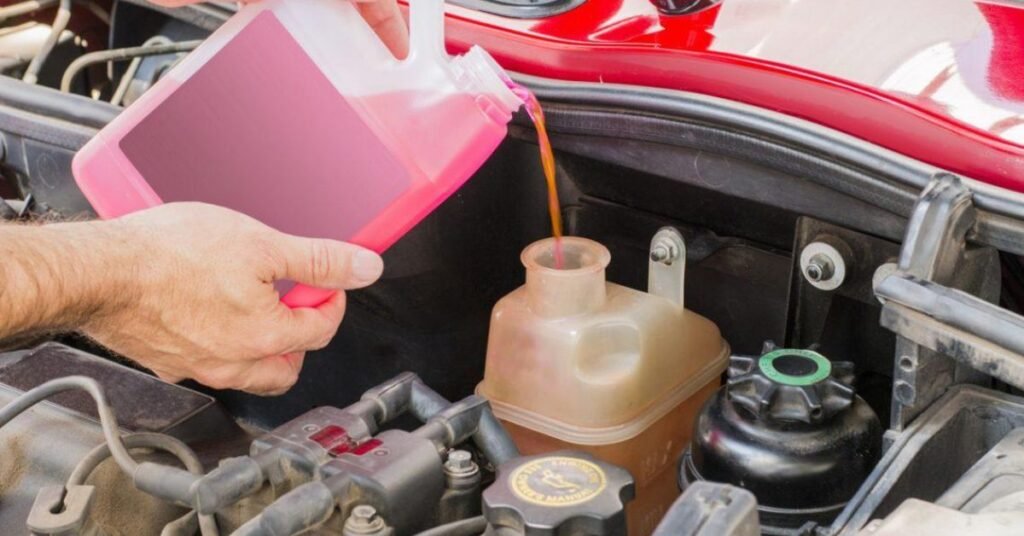
Coolant keeps your engine at the right temperature and protects it from corrosion. Coolant breaks down and becomes dirty over time.. When this happens, it cannot protect the engine properly. That is why flushing coolant at the right time is important for every car owner.
Most cars need a coolant flush every 2 to 5 years or based on mileage. You may also need it sooner if the engine overheats, the coolant looks rusty, or you notice a sweet smell. Checking your owner’s manual helps you follow the correct schedule. Regular coolant flushing keeps your engine safe and running smoothly.
What Is Coolant and Why It Matters
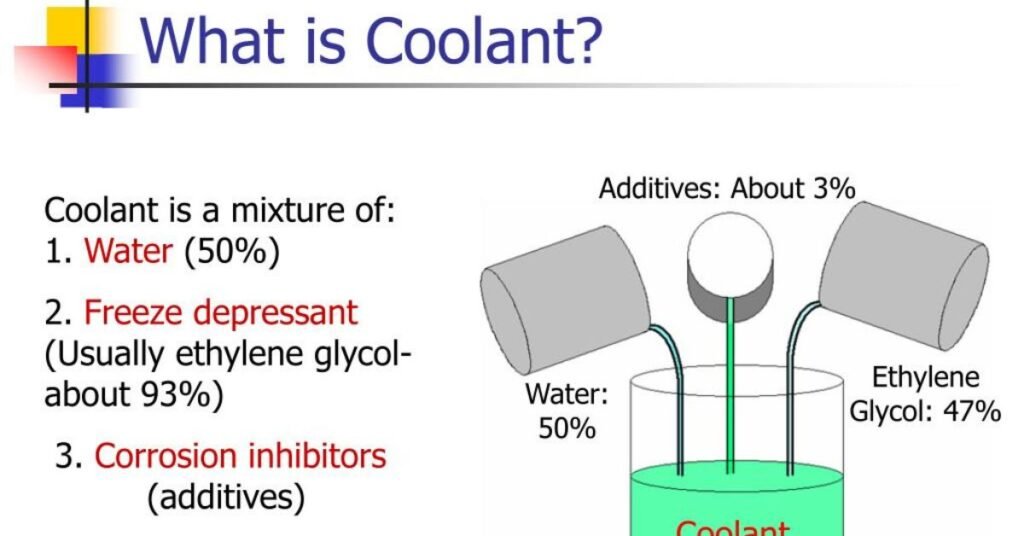
Coolant is a special liquid that flows through your car’s engine. It helps control engine temperature in hot and cold weather. During the winter, coolant keeps the engine from freezing.The engine would overheat very quickly without coolant.
Coolant matters because it protects important engine parts. It prevents rust, corrosion, and damage inside the cooling system. Old or low coolant can cause overheating and engine failure. Keeping the coolant clean and at the right level helps your car run safely and longer.
What Engine Coolant Does in Your Vehicle
Engine coolant keeps your engine at the right temperature. It absorbs heat and sends it to the radiator to prevent overheating. In cold weather, it stops the engine from freezing.
Coolant also protects your engine and cooling system. Without it, parts can rust or get damaged quickly.
Engine coolant helps by:
- Carrying heat away from the engine block
- Preventing rust and corrosion
- Stopping scale buildup in the system
- Protecting the engine in extreme weather
- Helping the radiator and water pump work efficiently
Coolant vs Antifreeze Are They the Same?
Coolant and antifreeze are often used as the same thing, but they are slightly different. Antifreeze is a concentrated liquid that prevents freezing and overheating. Coolant is the mixture of antifreeze and water, ready to use in your car. Both work together to protect your engine and cooling system.
Here is a small, clear comparison:
| Feature | Antifreeze | Coolant |
| Composition | Concentrated liquid | Antifreeze + water |
| Usage | Must be diluted | Ready to use |
| Function | Prevents freeze & boil | Cools engine & protects parts |
| Color | Usually green, orange, or pink | Varies depending on mixture |
How Often Should You Flush Your Coolant?
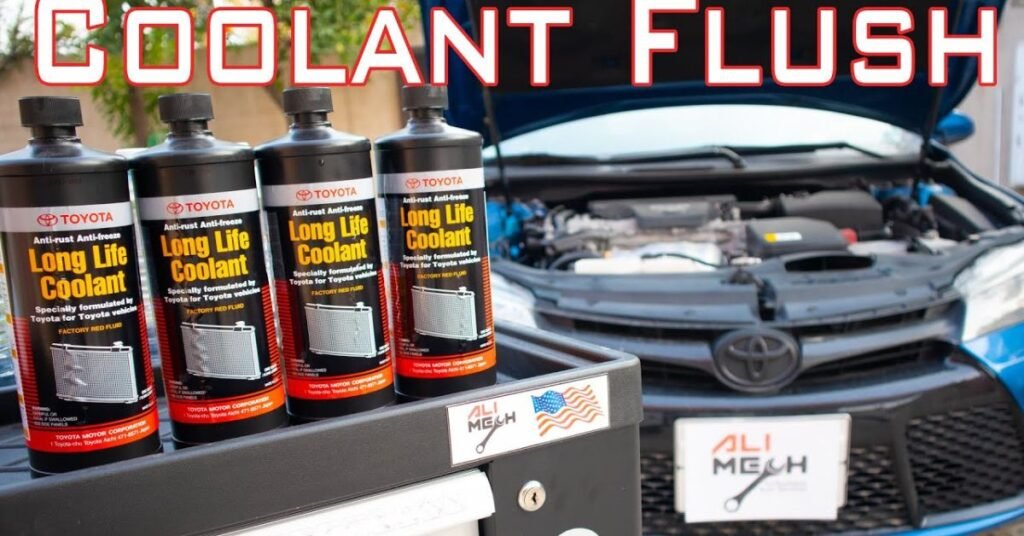
Flushing your coolant depends on your car and driving habits. Most vehicles need a flush every 2 to 5 years or after 30,000–60,000 miles. However, if the coolant looks rusty, dirty, or smells sweet, it’s time to flush sooner. Regular checks help prevent engine problems.
Some signs your coolant needs a flush include overheating, leaks, or poor heater performance. Flushing removes old coolant, rust, and deposits from the system. Doing this keeps your engine healthy and helps your car run smoothly for years.
Manufacturer Recommended Intervals (by Miles and Years)
Car manufacturers suggest specific intervals for flushing coolant. These intervals are based on the type of coolant and the vehicle model. Following these recommendations helps prevent engine damage and keeps the cooling system working efficiently. Ignoring them can lead to overheating, rust, and costly repairs.
Here is a simple guide showing common manufacturer recommendations:
| Vehicle Type | Recommended Interval (Miles) | Recommended Interval (Years) |
| Sedans | 30,000 – 50,000 | 2 – 4 |
| SUVs | 50,000 – 60,000 | 3 – 5 |
| Trucks | 40,000 – 60,000 | 3 – 5 |
| Luxury Vehicles | 50,000 – 70,000 | 4 – 5 |
| Hybrid/Electric Cars* | Check manufacturer manual | Check manufacturer manual |
*Some hybrid and electric cars use special coolant; always follow the manual.
This table helps car owners flush coolant at the right time and avoid engine problems.
Coolant Types & How They Affect Flush Frequency
Unique bullet points:
- Green coolant: Standard type, usually flushed every 2–3 years
- Orange or pink coolant: Long-life, can last 4–5 years before flushing
- Hybrid or electric vehicle coolant: Requires strict manufacturer schedule
- High-performance coolant: May need more frequent checks due to engine stress
- Mixing different coolant types: Can shorten lifespan and require early flush
- Extended-life coolants: Often come with corrosion inhibitors for longer protection
- Heavy-duty truck coolant: Designed for high heat, may have longer intervals but needs monitoring
Extended-Life Coolants and Modern Vehicles
Extended-life coolants are designed to last longer than standard types. They protect modern engines from rust, corrosion, and overheating. Using them helps reduce maintenance and keeps your vehicle running smoothly.
Signs It’s Time to Flush Your Coolant
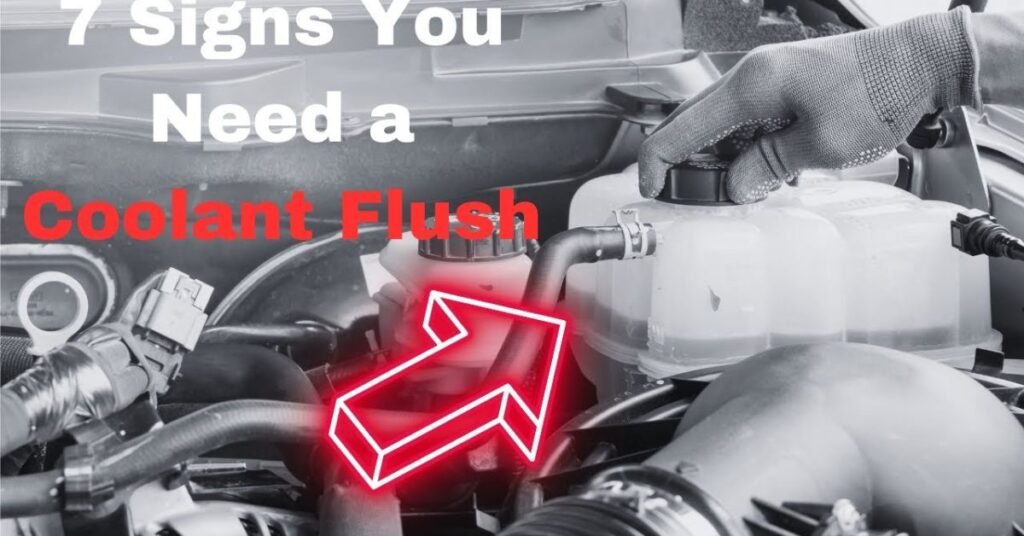
Your coolant may need a flush if it looks rusty or dirty. Overheating, leaks, or a sweet smell from the engine are also warning signs. Flushing at the right time keeps your engine safe and running well.
Overheating or Temperature Fluctuations
If your engine overheats or the temperature jumps up and down, it may be time to check the coolant. These signs show the cooling system isn’t working properly. Fixing it early prevents serious engine damage.
Dirty, Discolored or Rusty Coolant
Coolant should be bright and clear. If it looks brown, rusty, or cloudy, it is a sign it needs a flush. Dirty coolant can cause corrosion and damage engine parts.
Signs of dirty or rusty coolant:
- Brown or dark color instead of bright green, orange, or pink
- Particles or sludge floating in the coolant
- Rust inside the radiator or engine passages
- Reduced cooling efficiency or overheating
- Foul or unusual smell from the coolant
Coolant Smell or Visible Leaks
Unique bullet points:
- Sweet, syrup-like smell from the engine bay can indicate a coolant leak
- Green, orange, or pink liquid puddles under the car
- Low coolant levels without visible use may mean a hidden leak
- Steam or white smoke from the radiator or engine area
- Hissing sounds near hoses or radiator can signal escaping coolant
- Unresolved leaks can cause overheating
Poor Heater Performance
Unique bullet points:
- Heater blowing cold air even when set to hot
- Inconsistent cabin temperature during driving
- Reduced coolant flow to the heater core
- Air trapped in the cooling system affecting heat transfer
- Possible buildup or blockage in the heater core
- Low coolant levels causing weak heating performance
Dashboard Warning Lights Related to Temperature/Cooling
If your temperature or coolant warning light turns on, it shows a problem in the cooling system. Ignoring it can lead to engine overheating or serious damage. Always check coolant levels and inspect for leaks when the light appears.
Other signs include flashing or red temperature lights, steam from the hood, or unusual engine sounds. These warnings help you act quickly to protect your engine and avoid costly repairs.
Coolant Flush vs. Coolant Change (Drain & Fill)
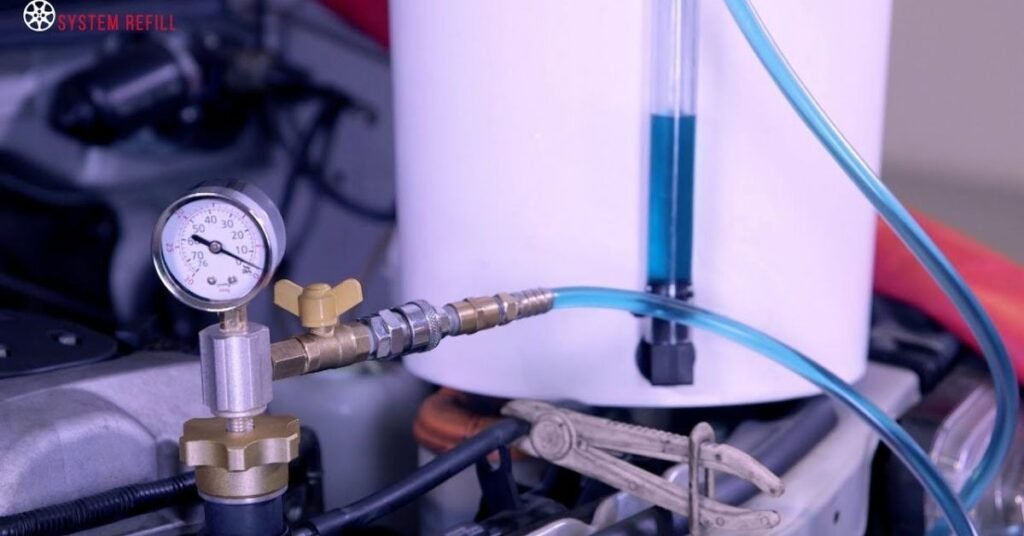
A coolant flush removes old coolant, rust, and debris from the entire system. It cleans the radiator, hoses, and engine passages before adding fresh coolant. This helps the cooling system work like new.
A simple coolant change, or drain and fill, only replaces the old coolant with new liquid. It doesn’t clean the system completely. A flush is better if the coolant is very dirty or the engine shows signs of overheating.
Full Flush What Happens / Drain & Fill When It’s Enough
Unique bullet points:
- Full Flush: Removes all old coolant, rust, and debris from the system
- Full Flush: Cleans radiator, engine passages, and heater core completely
- Full Flush: Recommended for dirty or neglected coolant systems
- Drain & Fill: Replaces only old coolant with fresh coolant
- Drain & Fill: Works if coolant is still clean and system is well-maintained
- Drain & Fill: Faster and simpler, but doesn’t remove buildup or deposits
- Decision: Full flush for problems or old coolant, drain & fill for routine maintenance
Exchange Services Explained
Coolant exchange services are a professional way to replace old coolant with new fluid. Unlike a simple drain and fill, the system is flushed while new coolant is added at the same time. This ensures the entire cooling system is cleaned and refilled efficiently.
Here is a guide to different exchange service options:
| Service Type | How It Works | When to Use | Benefits |
| Standard Drain & Fill | Old coolant drained, new added | Routine maintenance | Quick and simple |
| Full System Flush | System flushed with cleaning solution | Dirty or rusty coolant | Removes buildup and deposits |
| Coolant Exchange Machine | Old coolant removed while fresh coolant added | Professional service | Efficient, thorough, minimal waste |
| Hybrid/Electric Coolant Exchange | Special machine for hybrid/electric vehicles | Follow manufacturer guidelines | Safe for sensitive components |
| High-Performance Vehicle Exchange | Uses pressurized system for faster cleaning | High-performance or older engines | Ensures maximum cooling efficiency |
This table helps car owners choose the right coolant service for their vehicle type and condition.
Cost & Time Expectations in the USA

The cost of a coolant flush or exchange in the USA usually ranges from $80 to $150. Prices depend on your vehicle type, service location, and whether a full flush or simple drain and fill is done. Dealerships tend to charge more than local auto shops.
Time for a coolant service can vary from 30 minutes to 1 hour for a drain and fill. A full system flush or machine exchange may take 1–2 hours. Planning ahead helps avoid engine problems and keeps your car running smoothly.
Typical Coolant Flush Cost at a Mechanic
A typical coolant flush at a mechanic usually costs between $90 and $150. The price depends on the car type, labor rates, and whether a full system flush or simple drain and fill is done. Luxury or high-performance cars may cost more.
Some shops include the coolant itself in the price, while others charge separately. It usually takes 30–60 minutes for a standard flush. Getting it done on time helps prevent engine damage and keeps your car running efficiently.
Average Time Required for a Flush
Unique bullet points:
- Standard drain and fill: 30–45 minutes
- Full system flush: 1–2 hours
- Coolant exchange machine service: 45–90 minutes
- High-performance or hybrid vehicles may take longer
- Additional time may be needed for inspecting hoses and radiator
- Quick service possible at most local auto shops
DIY vs Professional Service Pros & Cons
Flushing coolant yourself can save money and be done at home. However, it requires the right tools, proper disposal of old coolant, and careful handling to avoid spills or engine damage. Professional services cost more but are faster, cleaner, and ensure the system is fully flushed.
Here’s a short comparison table:
| Type | Pros | Cons |
| DIY | Saves money, done at home | Risk of spills, incomplete flush |
| Professional | Full system cleaning, fast | Higher cost |
This table helps you decide which option fits your needs and skill level.
Step-by-Step: How to Perform a Coolant Flush (Optional for DIYers)
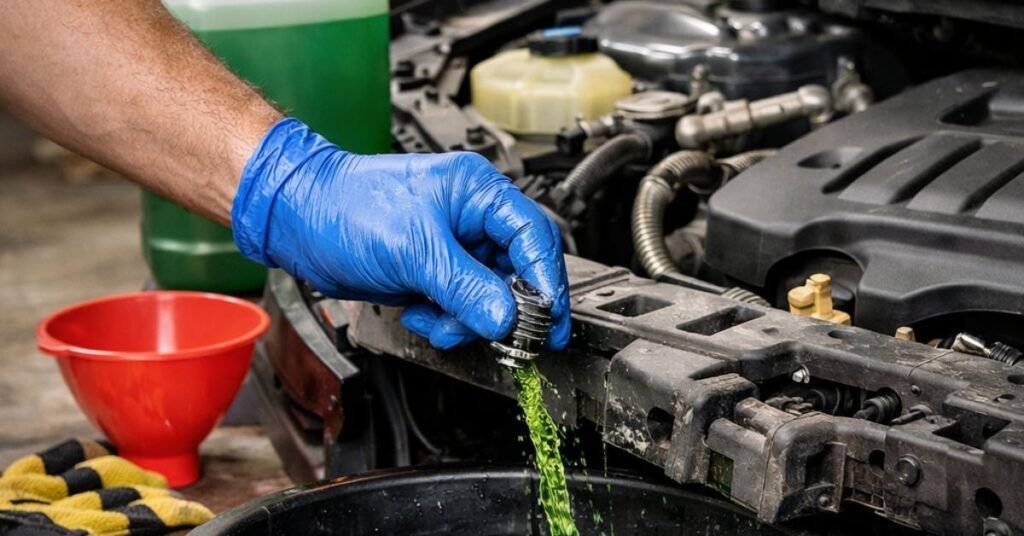
First, make sure the engine is completely cool. Gather gloves, a drain pan, and the correct type of coolant. Remove the radiator cap and open the drain valve to let the old coolant flow out. Dispose of the old coolant safely.
Next, flush the system with water or a cleaning solution to remove leftover debris. Close the drain valve and refill with fresh coolant mixed as recommended. Start the engine, let it run, and check for leaks. Refill the radiator with coolant if necessary.
Safety First Tools and Protection
Unique bullet points:
- Safety First: Wear gloves and safety glasses to avoid burns or spills
- Safety First: Keep a drain pan ready for old coolant
- Draining Old Coolant: Open the radiator drain valve carefully
- Draining Old Coolant: Let the engine cool completely before starting
- Flushing the System Properly: Use water or a cleaning solution to remove debris
- Flushing the System Properly: Run the engine briefly to circulate the flush
- Refilling With New Coolant: Mix coolant and water as recommended
- Refilling With New Coolant: Fill the radiator slowly to avoid air pockets
- Refilling With New Coolant: Bleed air from the system to prevent overheating
Conclusion
Knowing when to flush coolant is important for keeping your engine healthy. Regular flushing prevents overheating, rust, and costly repairs. Watching for signs like dirty coolant, leaks, or temperature changes helps you act on time.
Following manufacturer recommendations and checking your coolant regularly saves money and stress. Whether you do it yourself or use a professional, flushing at the right time ensures your car runs smoothly for years.
FAQs
1.What Happens If I Skip a Coolant Flush?
Skipping a coolant flush can make your engine overheat and cause serious damage. Old coolant also leads to rust and corrosion in the cooling system.
2.Can I Add Water Instead of Coolant?
Adding plain water can cool the engine temporarily but doesn’t protect against rust or freezing. Using proper coolant ensures full protection for your engine.
3.Is a Coolant Flush Necessary for Older Vehicles?
Older vehicles are more prone to buildup and corrosion in the cooling system. Regular flushes help keep the engine running smoothly and prevent costly repairs.
4.Should I Flush Before Extreme Weather (e.g., Summer Heat)?
Flushing coolant before hot summers or cold winters protects your engine from overheating or freezing. It also ensures the coolant works efficiently under extreme conditions.
5.How Often Should I Check My Coolant Between Flushes?
Check coolant levels and color at least once a month or before long trips. Early detection of leaks or dirty coolant prevents engine problems and keeps your car safe.
