

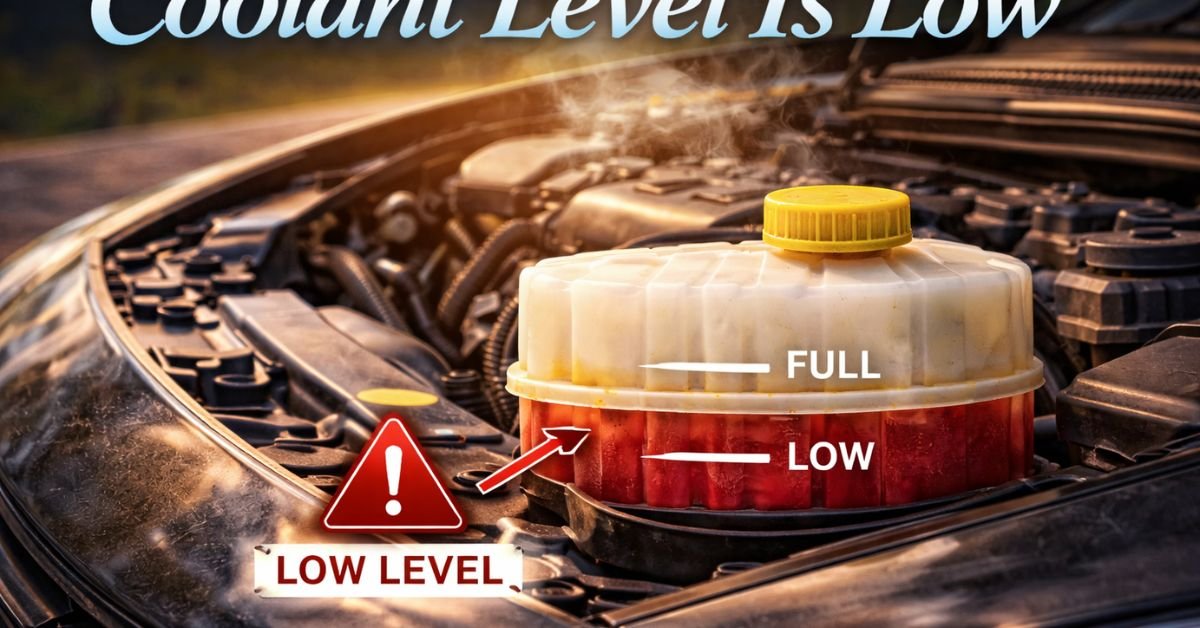
Introduction:
A low coolant level means your car does not have enough coolant to control engine temperature. Coolant helps keep the engine from overheating or freezing. When the coolant level is low, the engine cannot stay at a safe temperature.Ignoring this can lead to serious engine problems.
Seeing a warning light or low coolant message can be worrying. Many drivers are not sure what it means or how serious it is. Some think they can keep driving without any risk. In reality, a low coolant level can damage your engine faster than you expect.
This issue usually happens because of leaks, evaporation, or poor maintenance. You may notice signs like overheating, steam from the hood, or weak heater performance. In this guide, you will learn the main causes, common symptoms, and what steps you should take to protect your engine.
Coolant Level Is Low What It Means and What You Should Do

When your coolant level is low, your engine cannot control heat properly. Coolant moves through the engine and absorbs excess heat. If there is not enough coolant, the engine may overheat. This can cause warning lights, poor performance, and serious damage over time.
You should check the coolant level as soon as it is safe to do so. Before opening the reservoir, let the engine cool down.. If the level is low, refill it with the correct coolant type. If the problem keeps coming back, have a mechanic check for leaks or other issues.
What Does “Coolant Level Is Low” Mean?
When your car shows the message “coolant level is low,” it means there is not enough coolant in the system. Coolant is the liquid that keeps your engine at a safe temperature. Without enough coolant, the engine can heat up too much and stop working properly.
This warning is a sign that something needs attention. The coolant may be leaking, burning off, or not refilled properly. Ignoring this message can lead to overheating and costly repairs. Checking the level early can help you avoid engine damage.
When the coolant level is low, is it safe to drive?
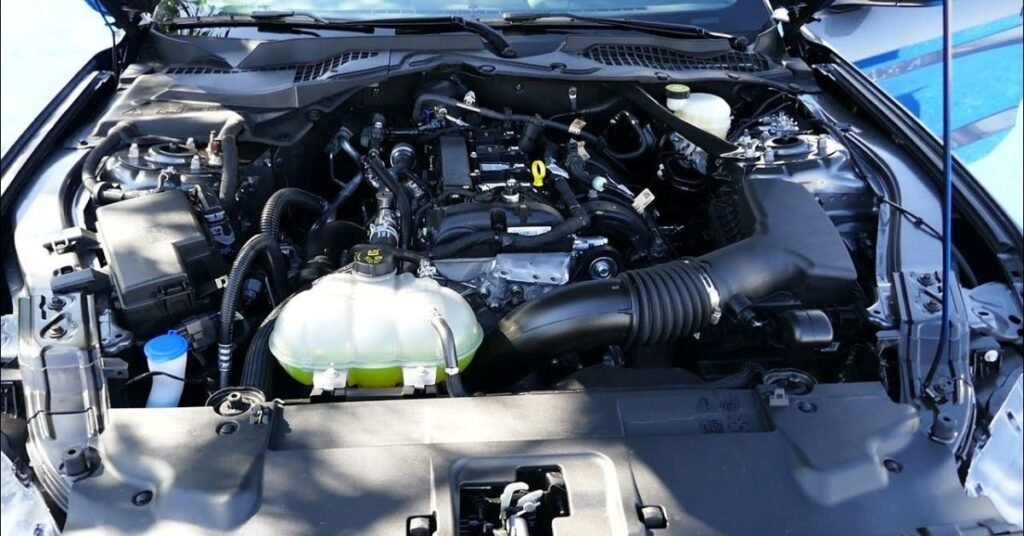
Driving with a low coolant level is usually not safe. The engine depends on coolant to control heat. When coolant is low, the engine can overheat very quickly. This can cause serious and expensive damage.
If the coolant level is slightly low, you may be able to drive a short distance. Keep an eye on the temperature gauge. Stop driving if the engine gets hot or a warning light appears. It is always safer to refill the coolant or get the car checked first.
Driving With Coolant Slightly Below the Low Mark
If your coolant is just a little below the low mark, the car may still run normally for a short time. The engine might not overheat immediately. However, you should not ignore it. It’s a warning that the coolant needs topping up soon.
- Check the coolant level regularly.
- Add the right type of coolant if needed.
- Avoid long trips until the level is normal.
When Driving Becomes Dangerous
Driving becomes dangerous when the coolant is very low or keeps dropping. The engine can overheat quickly, which can damage parts like the head gasket. Steam or a burning smell may appear under the hood.
- Stop the car immediately if the temperature rises.
- Turn off the engine and let it cool.
- Call a mechanic if the problem persists.
Common Reasons Why Coolant Level Is Low
There are several reasons why your car’s coolant level may drop.The solution to some problems is easy, while the solution to others requires the assistance of a mechanic.. Knowing the cause helps prevent engine damage. Common reasons include leaks, evaporation, and worn-out parts.
| Reason | Description | Signs to Watch | Action Needed |
| Radiator Leak | Coolant can leak from cracks or holes in the radiator | Puddles under the car, steam, or low coolant | Repair or replace radiator |
| Hose Leak | Hoses can crack or loosen, causing coolant to escape | Wet spots around hoses, smell of coolant | Tighten or replace hose |
| Water Pump Issue | The water pump may fail or leak | Overheating, noise from pump area | Replace water pump |
| Head Gasket Leak | Coolant can enter the engine cylinders | White smoke from exhaust, oil contamination | Replace head gasket |
| Evaporation Over Time | Coolant can naturally evaporate if car is old or not sealed properly | Gradual drop in coolant level | Top up coolant and check seals |
| Faulty Radiator Cap | A damaged cap can allow coolant to escape | Steam or coolant around cap | Replace radiator cap |
| Improper Refilling | Using the wrong coolant or not filling enough | Low coolant warning after refill | Refill with correct coolant |
This table helps you quickly identify the possible cause. Regular checks can prevent serious engine problems.
External Coolant Leaks (Hoses, Radiator, Reservoir)
External leaks are one of the most common reasons for low coolant. They happen when hoses, the radiator, or the reservoir crack or loosen. Coolant can drip onto the ground, causing visible puddles.
- Check under the car for wet spots.
- Inspect hoses for cracks or loose clamps.
- Look at the radiator and reservoir for leaks.
Internal Engine Issues (Head Gasket Problems)
Sometimes coolant leaks happen inside the engine. A damaged head gasket can let coolant enter engine cylinders. This can cause white smoke from the exhaust or oily coolant.
- Watch for unusual smoke from the exhaust.
- Check the oil for milky color.
- Get a mechanic to inspect immediately.
Evaporation or Improper Coolant Top-Up
In hot climates, coolant can slowly evaporate over time.. Using the wrong coolant or not filling enough can also cause a low level. This problem is easy to prevent with proper care.
- Refill with the correct coolant type.
- Check coolant levels regularly.
- Prevent evaporation by tightening the caps and seals.
Symptoms of Low Coolant Level You Should Not Ignore
Low coolant can cause serious engine problems if ignored. There are clear signs that warn you before damage occurs. Paying attention to these symptoms can save you from costly repairs.
- Engine overheating or high temperature gauge
- Steam or smoke coming from under the hood
- An inside or outside smell of sweet coolant
- Poor heater performance in cold weather
- Warning lights on the dashboard
- Strange noises from the engine area
- Coolant puddles under the car
Engine Overheating or Temperature Gauge Rising
One of the first signs of low coolant is engine overheating. The temperature gauge may rise quickly. This shows the engine is not cooling properly. Ignoring it can cause severe damage.
- Watch the temperature gauge closely while driving
- If the engine gets too hot, stop the car
- Avoid driving long distances with a hot engine
Sweet Smell, Steam, or Warning Light
A sweet smell or steam from the engine is another warning. Coolant leaks can create visible steam under the hood. Dashboard warning lights may also appear. These signs indicate you need immediate attention.
- Look for white steam coming from the engine
- Check for a sweet, syrupy smell inside or outside the car
- Pay attention to coolant or check engine warning lights
How to Check Coolant Level Safely
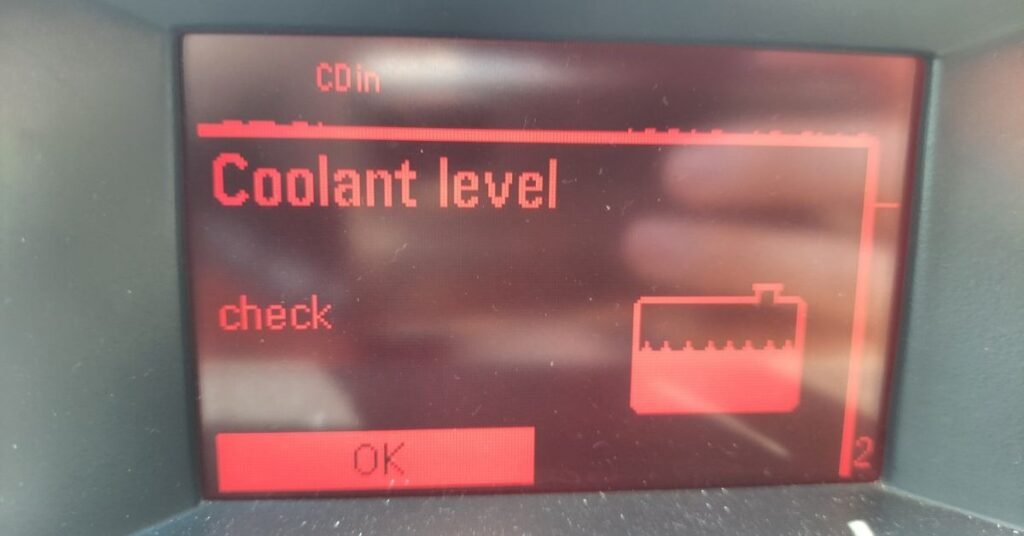
Always check coolant when the engine is cold. Opening the radiator or reservoir when hot can cause burns. Find the coolant reservoir under the hood. Most cars have “Min” and “Max” marks to show the safe level.
Remove the cap carefully and look at the liquid level. If it is below the minimum mark, add the correct type of coolant. Never overfill, and make sure the cap is tightened properly. Regular checks keep your engine safe and running smoothly.
How to fix a low coolant level
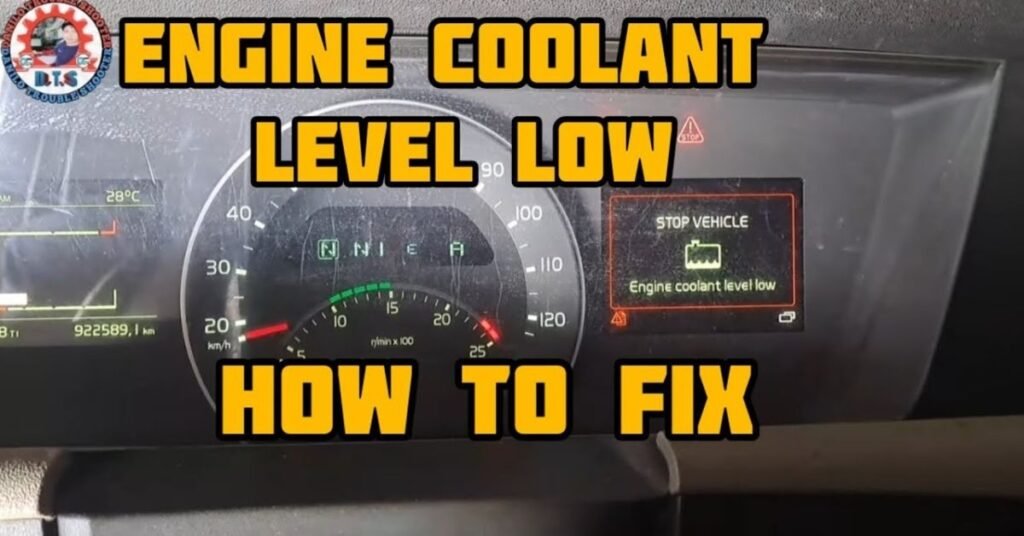
If your coolant level is low, stop the car when it is safe. Let the engine cool completely before opening the reservoir. A hot engine can be dangerous if coolant is added.
Refill with the correct type of coolant up to the “Max” mark. Check hoses and the radiator for leaks while refilling. If the coolant keeps dropping, take the car to a mechanic. Regular maintenance can prevent serious engine problems.
How to Top Up Coolant Correctly
Topping up coolant is simple but must be done carefully. Always use the correct type for your car. Do not overfill the reservoir. Pour slowly and check the level as you go.
- Before opening the cap, ensure that the engine is cool
- Use a funnel to avoid spills
- Fill up to the “Max” mark only
- Tighten the cap securely after refilling
When You Should Visit a Mechanic
Sometimes topping up is not enough. Persistent low coolant or leaks need professional help. Internal engine issues, like a head gasket problem, require a mechanic.
.Coolant drops frequently after refill
.Steam or overheating continues
.White smoke from the exhaust
Warning lights stay on the dashboard
Can Low Coolant Cause Serious Engine Damage?
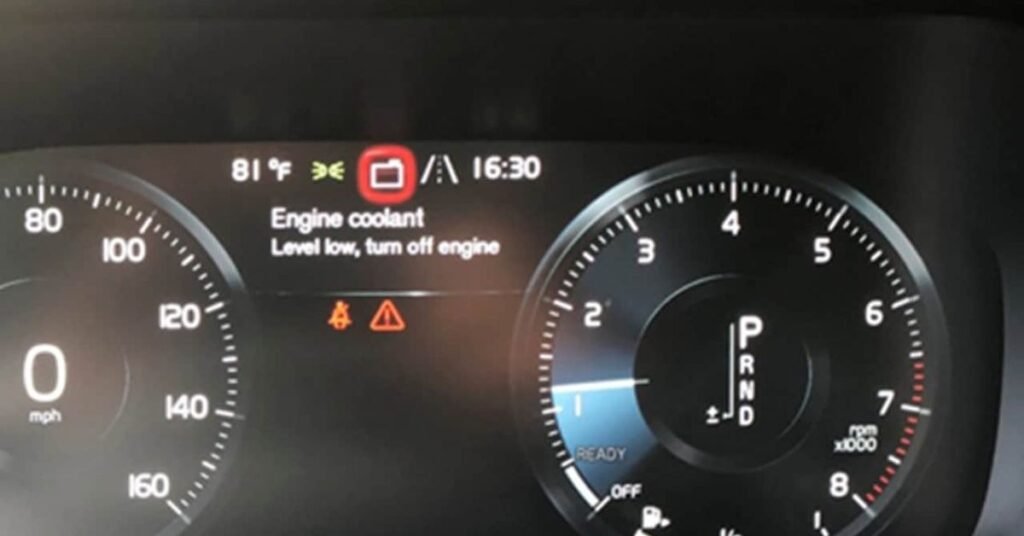
Yes, low coolant can cause serious engine damage.The engine can overheat quickly if there is not enough coolant.. Overheating can warp engine parts, damage the head gasket, or even crack the engine block.
Even short drives with low coolant can be risky. Steam, smoke, or strange noises are warning signs. Regularly checking and refilling coolant can prevent costly repairs and keep your engine safe.
Conclusion
A low coolant level is not something to ignore. When the coolant level is low, your engine can overheat and cause serious damage. Checking the coolant regularly helps keep your car running safely.
If you notice low coolant, refill it with the correct type and watch for leaks. Take action early to avoid costly repairs. Staying on top of your coolant level is an easy way to protect your engine and drive with confidence.
FAQs
Q1: Can I drive with low coolant for a short distance?
A1: Only if the engine is cool and the level is slightly below normal, but avoid long drives to prevent overheating.
Q2: Why does my coolant level keep dropping?
A2: Common causes include leaks in hoses, radiator, or water pump, evaporation, or internal engine issues like a head gasket problem.
Q3: How often should coolant be checked?
A3: Check coolant at least once a month and before long trips to ensure the engine stays safe and cool.
Q4: What happens if I ignore a low coolant warning?
A4: Ignoring it can lead to engine overheating, head gasket damage, or costly repairs.
Q5: Can I use any type of coolant to refill?
A5: No, always use the type recommended by your car manufacturer to avoid engine damage.
