

Introduction:
Car coolant is a special liquid that keeps your engine from getting too hot or freezing in cold weather. It flows through the engine and radiator to control temperature.Rust and corrosion are also prevented by coolant.
Have you ever noticed the color of your car coolant? The color is not just for looks. It can tell you if your coolant is working well or if there is a problem. Knowing the color can save you from expensive repairs.
In this guide, we will explain what different coolant colors mean. You will also learn the types of coolant and some simple maintenance tips. By the end, you will know how to check and take care of your car’s coolant easily.
What Is Car Coolant and Why Its Color Matters
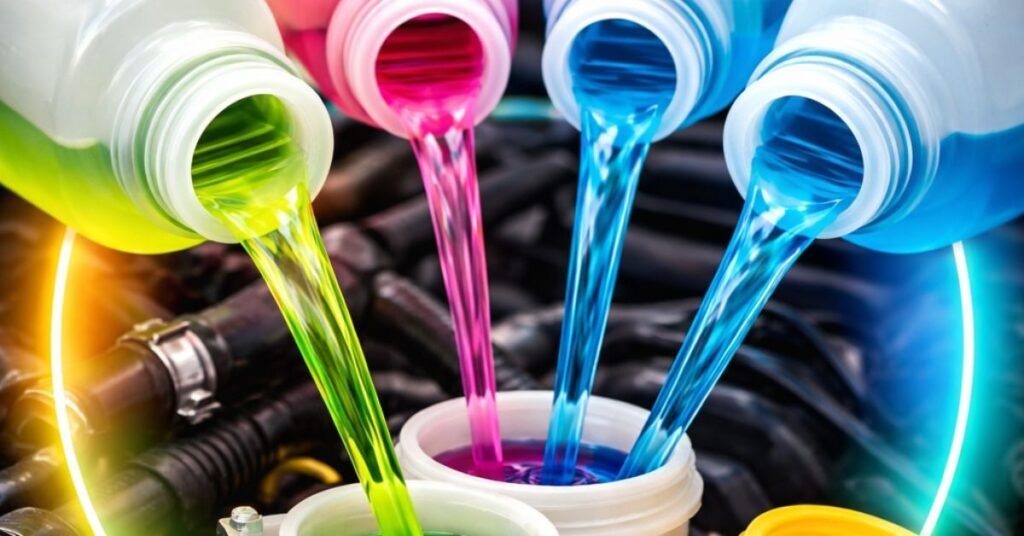
Car coolant is a liquid that keeps your engine at the right temperature. This prevents overheating in summer and freezing in winter.. The color of coolant is important because it can show the type of coolant and its condition. Old or contaminated coolant can cause engine damage.
Role of Coolant in Engine Protection
Coolant does more than just control temperature. It also:
- Radiator and engine rust prevention
- Protects engine parts from wear and tear
- Helps your heater work properly in cold weather
Why Manufacturers Dye Coolant Different Colors
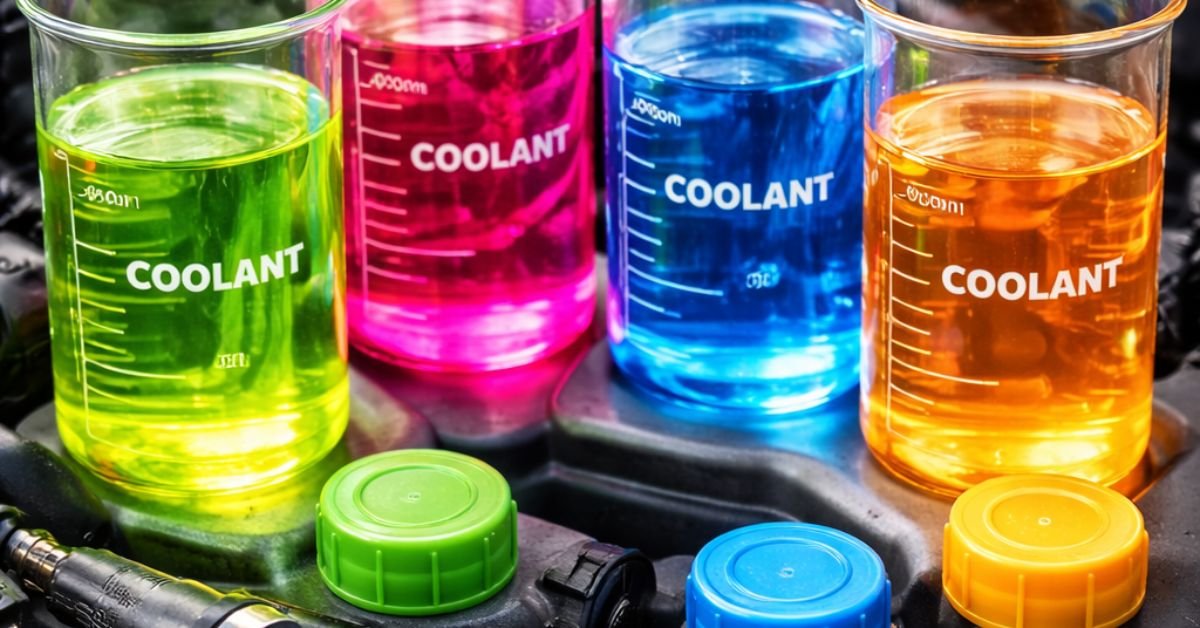
Manufacturers use different colors to make it easy to identify coolant types. Colors help prevent mixing incompatible coolants, which can damage the engine. Common colors include green, orange, pink, and blue. Each color has its own chemical formula and purpose.
Common Car Coolant Colors and Their Meanings
Car coolants come in different colors like green, orange, red, pink, blue, and yellow. Each color shows the type of coolant and how it protects your engine. Using the right color is important to avoid engine damage.
The color also helps you know when to replace it. Some coolants last a few years, while others are made for longer use. By checking the color, you can keep your engine safe and running smoothly.
Green Coolant Standard IAT Coolant
Green coolant is the most common type and is called IAT (Inorganic Additive Technology). It is usually used in older cars. Green coolant needs to be changed more often, about every 2 years or 30,000 miles. It protects the engine from rust and overheating.
Orange & Red Coolants OAT/Extended Life Formulas
Orange and red coolants are called OAT (Organic Acid Technology). They last longer than green coolant, often 5 years or 150,000 miles. These coolants are used in newer cars and give better protection against corrosion.
Pink, Blue & Yellow Coolants HOAT and Brand-Specific Options
Pink, blue, and yellow coolants are usually HOAT (Hybrid Organic Acid Technology) or special brand-specific formulas. They combine the benefits of green and OAT coolants. Many car manufacturers have their own unique colors to match their engines.
Common Car Coolant Colors and Their Uses
| Coolant Color | Type | Lifespan | Best For |
| Green | IAT | 2 years / 30,000 miles | Older cars, standard coolant |
| Orange | OAT | 5 years / 150,000 miles | Newer cars, extended-life coolant |
| Red | OAT | 5 years / 150,000 miles | Newer cars, extended-life coolant |
| Pink | HOAT / Brand-specific | 5 years / 150,000 miles | Modern cars, hybrid formula |
| Blue | HOAT / Brand-specific | 5 years / 150,000 miles | Modern cars, hybrid formula |
| Yellow | HOAT / Brand-specific | 5 years / 150,000 miles | Modern cars, hybrid formula |
Can You Mix Different Coolant Colors?

Colors of coolant cannot be mixed.. Each color represents a specific chemical formula. Mixing them can cause chemical reactions that harm your engine. It can also reduce the coolant’s ability to prevent rust and overheating.
If you are adding coolant, always use the same type and color already in your car. You can find the correct coolant in your owner’s manual.. Using the correct color keeps your engine safe and extends the life of your car
Risks of Mixing Incompatible Coolants
Mixing different coolant types or colors can damage your engine. The chemicals may react and form sludge or clumps. This can block coolant flow and cause overheating. Other risks include:
- Corrosion inside the engine
- Reduced protection against rust
- Shortened coolant lifespan
When Mixing Colors Is Safe
Sometimes, mixing is safe if the coolants are compatible. Always check the label or manufacturer’s instructions. Some universal or HOAT coolants can be mixed with the same type. Tips to stay safe:
- Only mix coolants with the same technology (IAT, OAT, or HOAT)
- Avoid mixing old and new coolant without flushing the system
- When in doubt, replace the old coolant completely
How to Choose the Right Coolant for Your Car
Choosing the right coolant is important to keep your engine safe. Using the wrong type can cause overheating or corrosion. Always check your car’s manual to see which coolant is recommended.
Manufacturer Recommendations
Car makers provide specific coolant types for each model. Following their advice ensures proper engine protection. Using the recommended coolant keeps your warranty valid and avoids engine problems.
Coolant Concentrate vs Ready-to-Use Coolants
Coolant comes in two forms: concentrate and pre-mixed (ready-to-use). Concentrate must be mixed with water, usually 50/50. Ready-to-use coolant is already diluted and can be poured directly. Choose the type that fits your car and convenience
How to Check and Maintain Coolant Levels
Checking coolant levels is easy and important for your engine’s health. First, make sure the engine is cool. Take a look at the “min” and “max” marks on the coolant reservoir.. The level should be between them.
Coolant should be added if the level is low.. Never overfill, as it can cause pressure problems. Regularly check the coolant and replace it as needed.It prevents your engine from overheating and keeps it running smoothly.
Inspecting Coolant Color and Condition
Checking the color and condition of your coolant helps spot problems early. Healthy coolant usually has a bright color, like green, orange, or pink. Dark, rusty, or cloudy coolant can mean contamination or engine issues. Key things to look for:
- Unusual color changes
- Floating particles or sludge
- Strong or strange smells
Topping Up and Flushing the Cooling System
Keeping the coolant at the right level is important. If low, top up with the same type of coolant. Sometimes, the system needs a full flush to remove old or dirty coolant. Tips to maintain your cooling system:
- Only use the recommended coolant type
- Flush the system according to your car’s manual
- Check levels regularly, especially before long trip
Signs of Coolant Problems You Shouldn’t Ignore
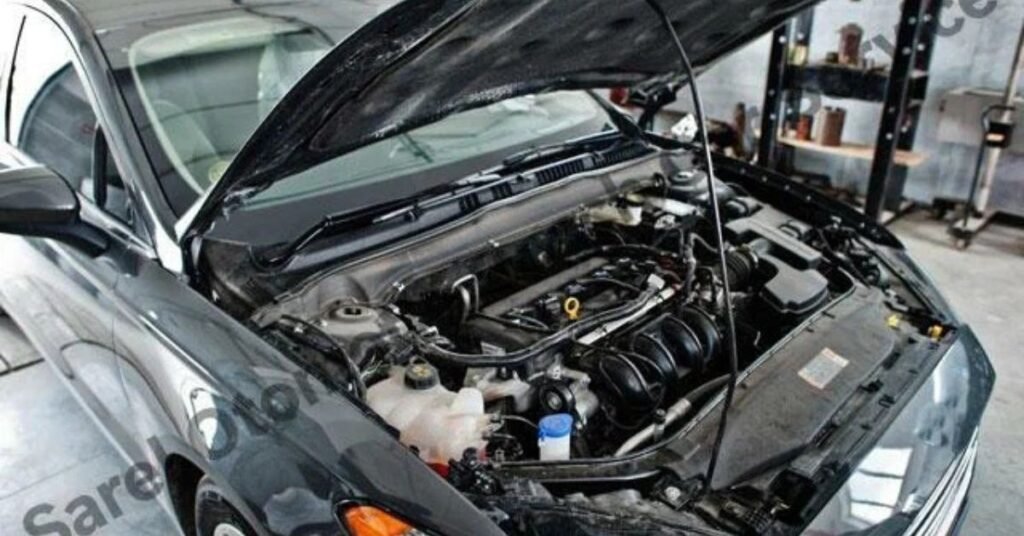
Coolant problems often show clear warning signs. You may see the engine temperature rising quickly. A low coolant warning light may turn on. These signs mean your engine is not cooling properly.
You might also notice coolant leaks under the car. The coolant color may look dark, rusty, or milky. A sweet smell from the engine area is another warning sign.Engine damage can result from ignoring these problems.
Color Changes Rusty, Milky, or Brown Coolant
Coolant should have a clean and bright color. If it turns rusty, brown, or milky, there may be a problem. Rusty or brown coolant can mean corrosion inside the engine. Milky coolant may point to oil mixing with coolant. Watch for these signs:
- Dark or muddy coolant color
- Thick or cloudy appearance
- Particles floating in the coolant
Engine Overheating and Other Warning Signs
Engine overheating is a serious warning sign. It often happens when coolant is low or not working properly. Other signs may appear before major damage. Common warning signs include:
- Temperature gauge rising above normal
- Steam coming from under the hood
- Coolant warning light on the dashboard
- Sweet smell near the engine
Conclusion
Understanding the color of car coolant helps you take better care of your engine. Each color shows a different type and level of protection. Using the correct color keeps your engine cool and prevents damage. Small checks can save you from big repair costs.
Always check your coolant color and level regularly. Follow your car manufacturer’s recommendations for the best results. Paying attention to the color of car coolant helps your car run smoothly and last longer.
FAQs
What happens if the coolant is low?
Low coolant can cause engine overheating. It may also lead to serious engine damage if ignored.
Can I use water instead of coolant?
Water can be used in an emergency only. It does not protect against rust, corrosion, or freezing like coolant does.
How often should I change coolant?
Most coolants last between 2 to 5 years. Always follow your car manufacturer’s recommendation.
Does coolant color really matter?
Yes, coolant color shows the type and formula. Using the wrong color can harm your engine.
Can I mix different coolant colors?
Mixing different colors is usually unsafe. It can reduce cooling performance and cause engine problems.
